

Solanum betaceum (Tamarillo)
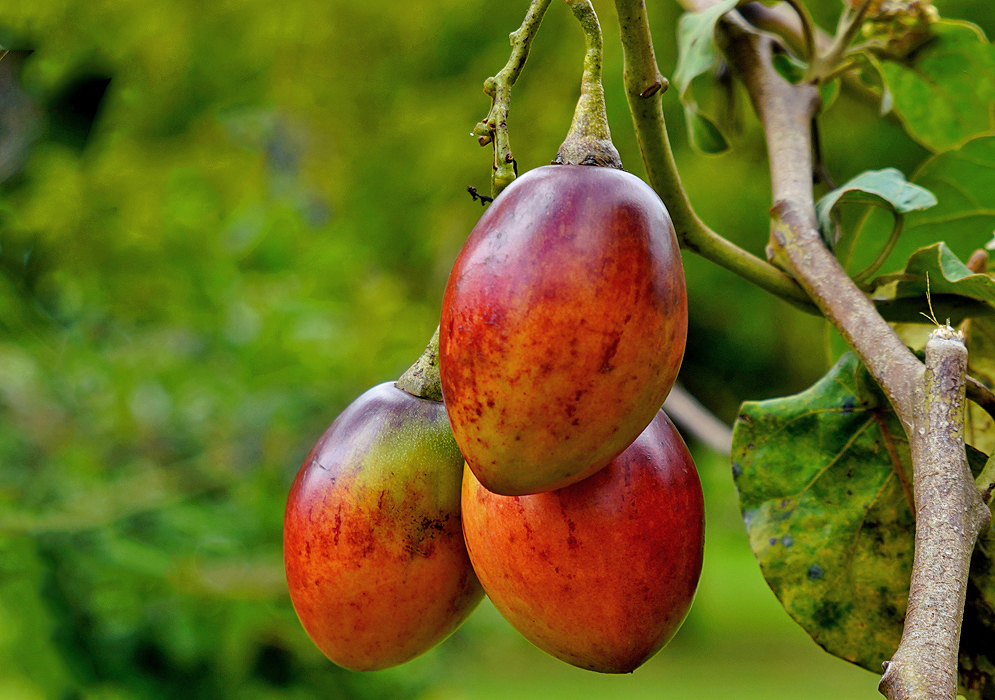
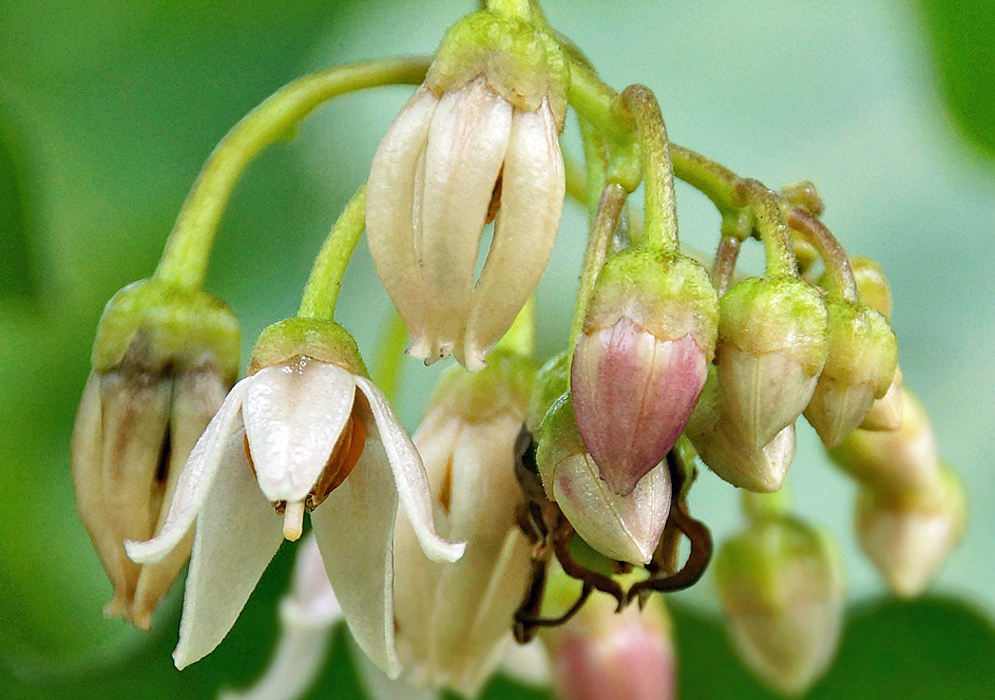
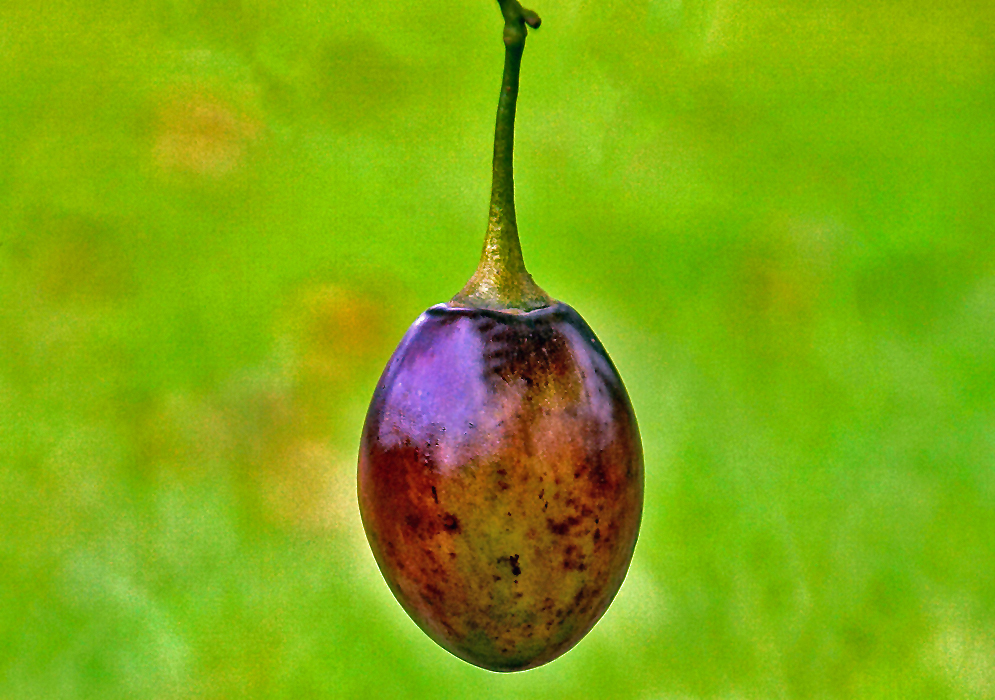
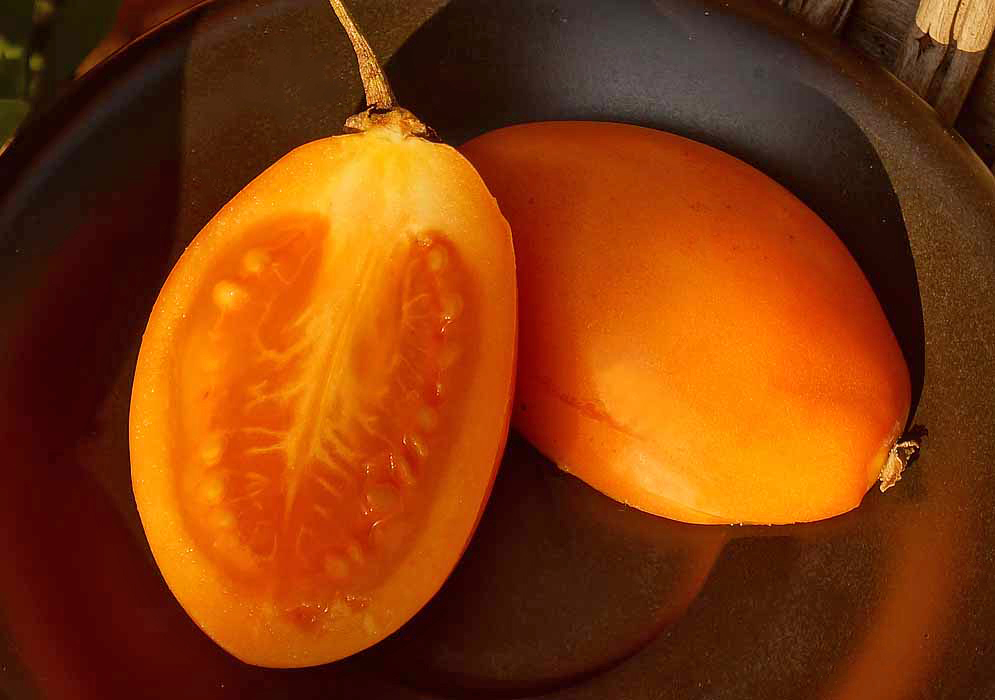
Native to tropical South America, tamarillo is a small tree cultivated for its fruit in the Andes and other subtropical regions. In Colombia it is grown at about 3,300–9,800 feet. Fragrant pinkish-white flowers hang in loose clusters, with five lobes and prominent yellow anthers. The egg-shaped fruits vary from yellow and orange to red or purple among cultivars. A bitter skin surrounds sweet-tangy flesh containing vitamin C and provitamin A carotenoids. The pulp is eaten fresh or used in juices, preserves, sauces and cooked dishes.
The commercial name tamarillo was adopted in New Zealand in 1967, replacing tree tomato in that country’s fruit trade. Among the Nasa people of the Colombian Andes, the fruit has traditional medicinal uses for breathing complaints and throat infections. These ethnomedical uses have not been established as effective clinical treatments. Photographed in the central Andes mountain range of Colombia.