

Physalis peruviana (Cape Goldenberry)
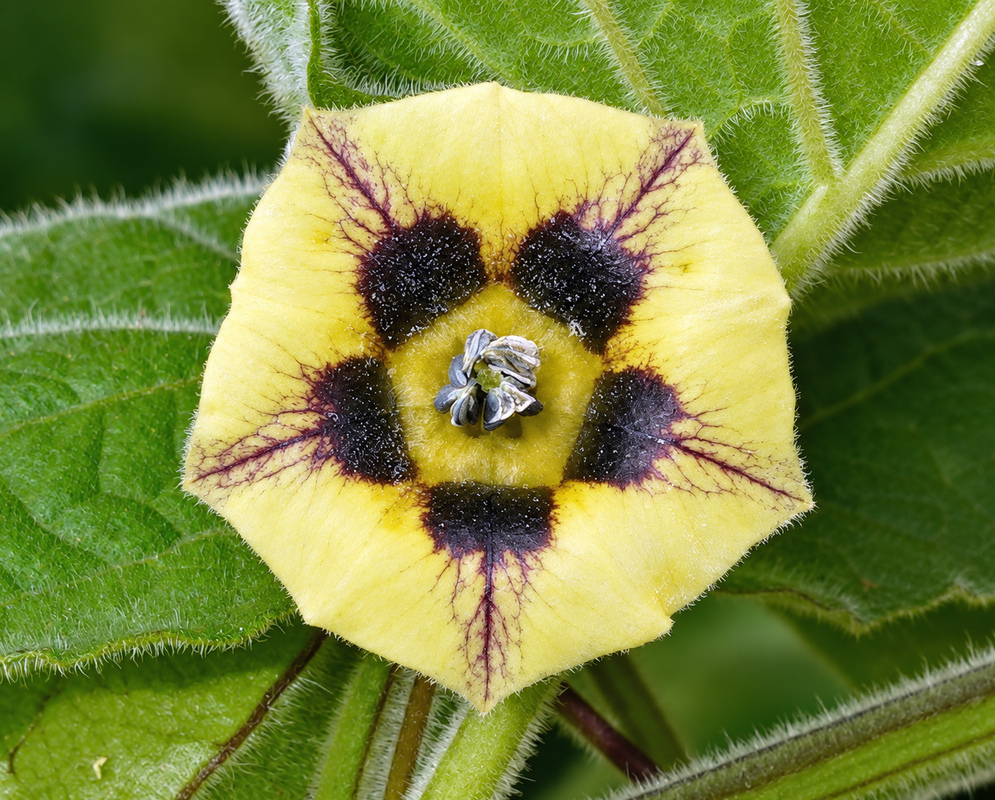
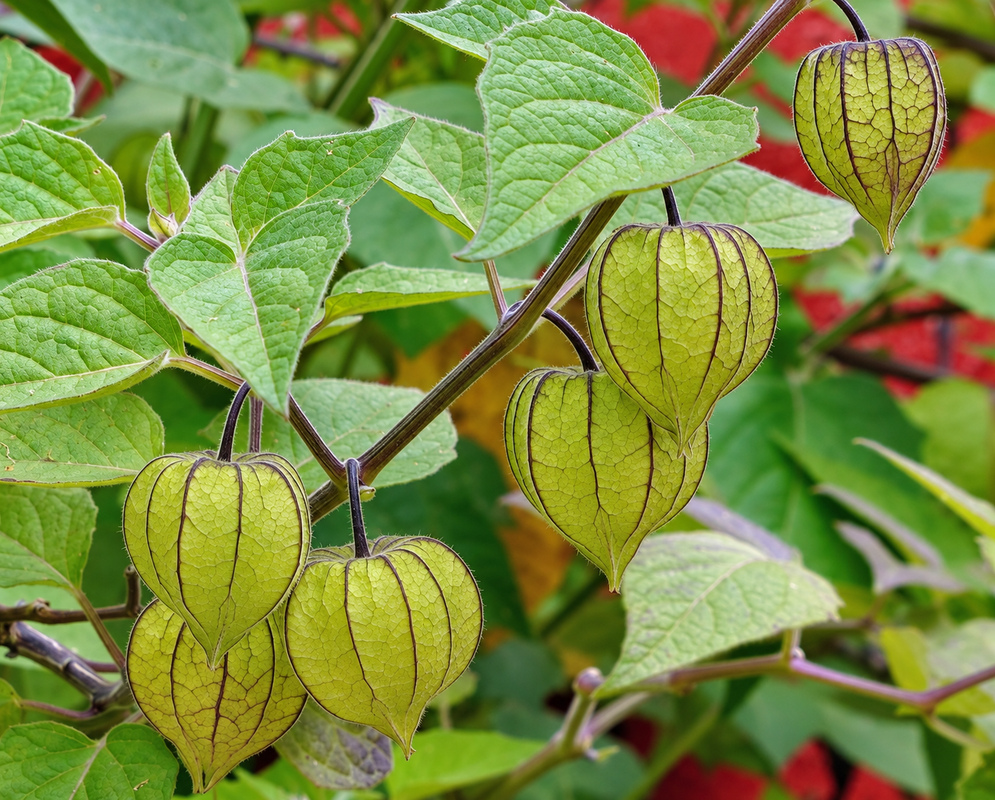
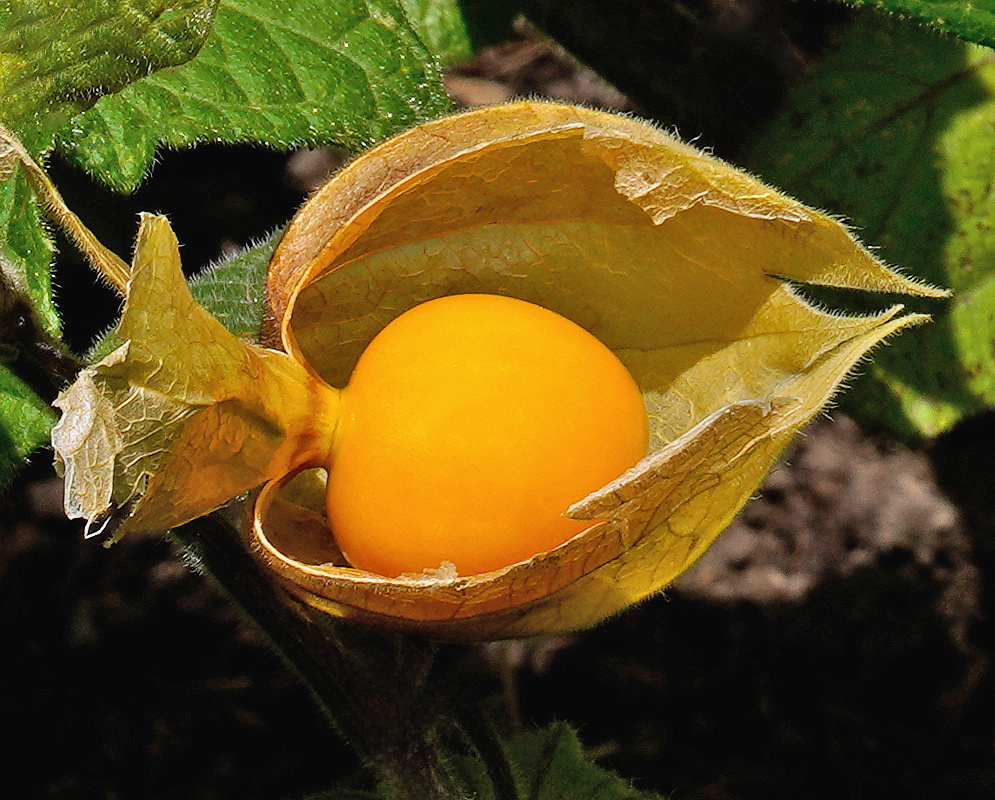
Native from Bolivia to western Brazil, this short-lived shrub is widely grown for its edible berries, known as uchuva in Colombia. Yellow flowers have dark purple-brown markings near the center. Each aromatic berry develops inside an inflated, lantern-like calyx that becomes papery as it dries. The ripe fruit has a sweet-tart flavor and is eaten fresh or used in preserves, sauces and desserts. Colombia produces the fruit commercially for fresh export and has developed cultivars including AGROSAVIA Andina, selected for uniform fruit and market quality.
Leaves have a traditional medicinal use for diabetes in eastern Democratic Republic of the Congo. Leaf extracts have shown blood-glucose effects in guinea pigs, but animal experiments also raise toxicity concerns and do not establish a safe, effective human treatment. Ripe berries are the edible part; leaves and unripe fruit can be toxic. The species has naturalized in Australia, including disturbed coastal habitats in New South Wales. Photographed in Colombia and Ecuador.