

Cocos nucifera (Coconut Palm)
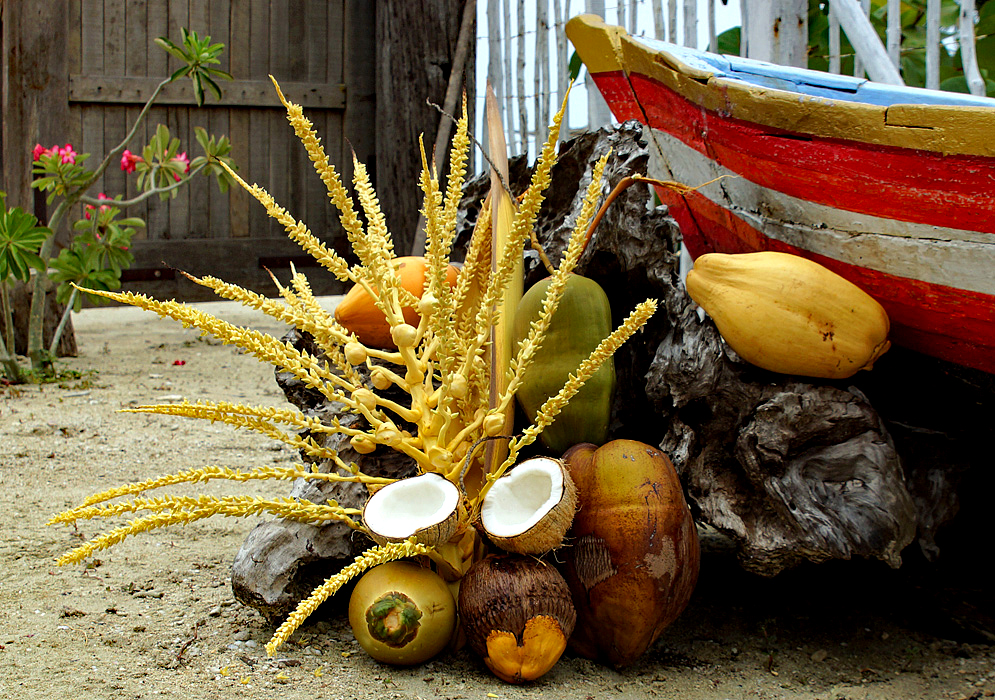
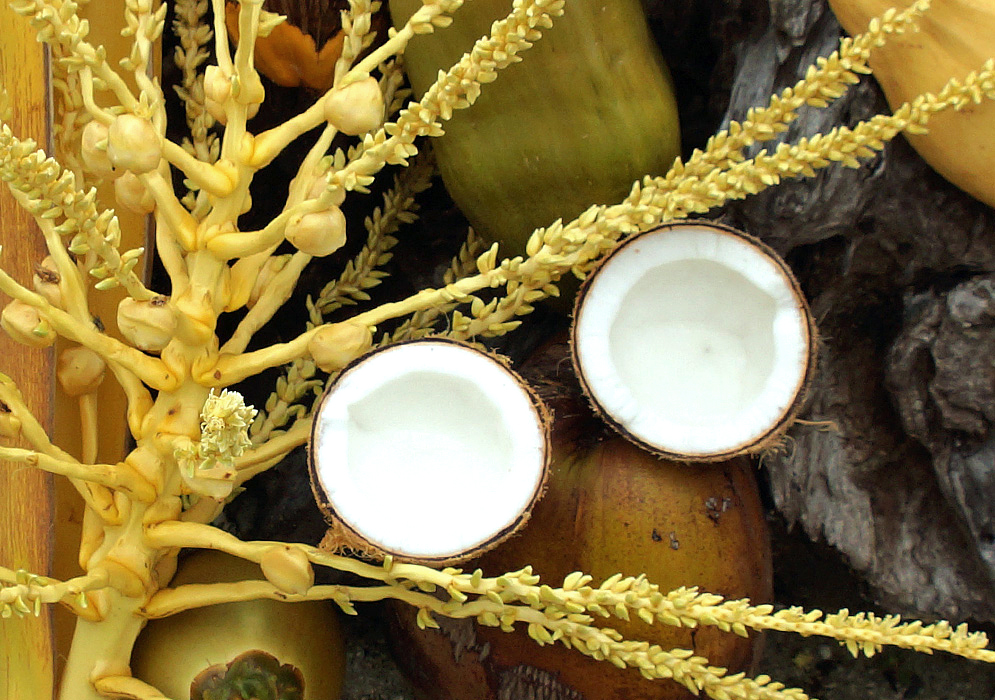
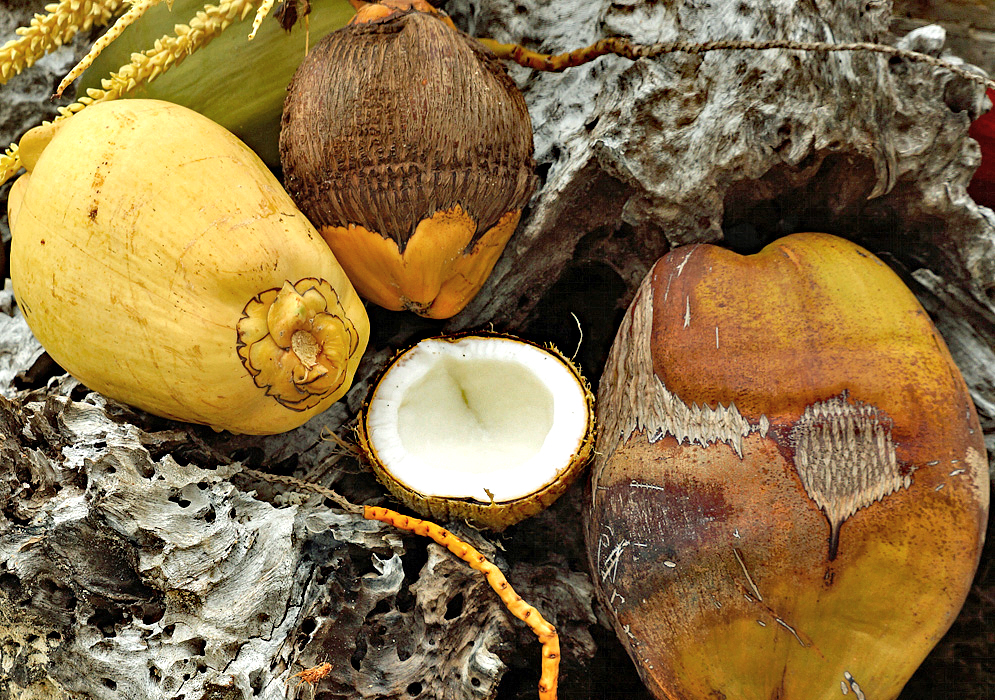
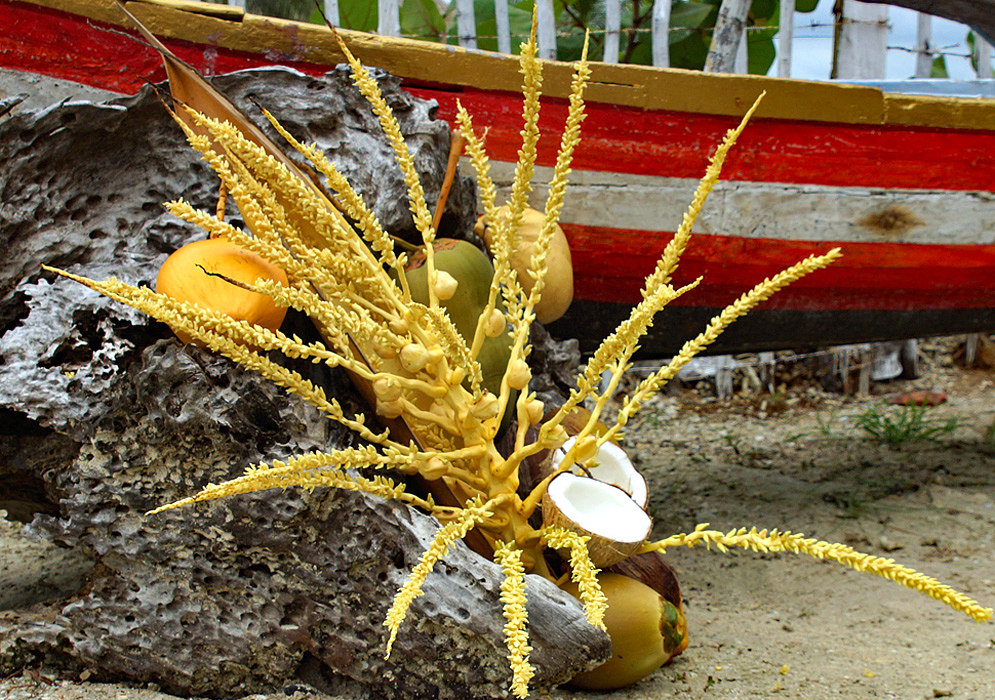
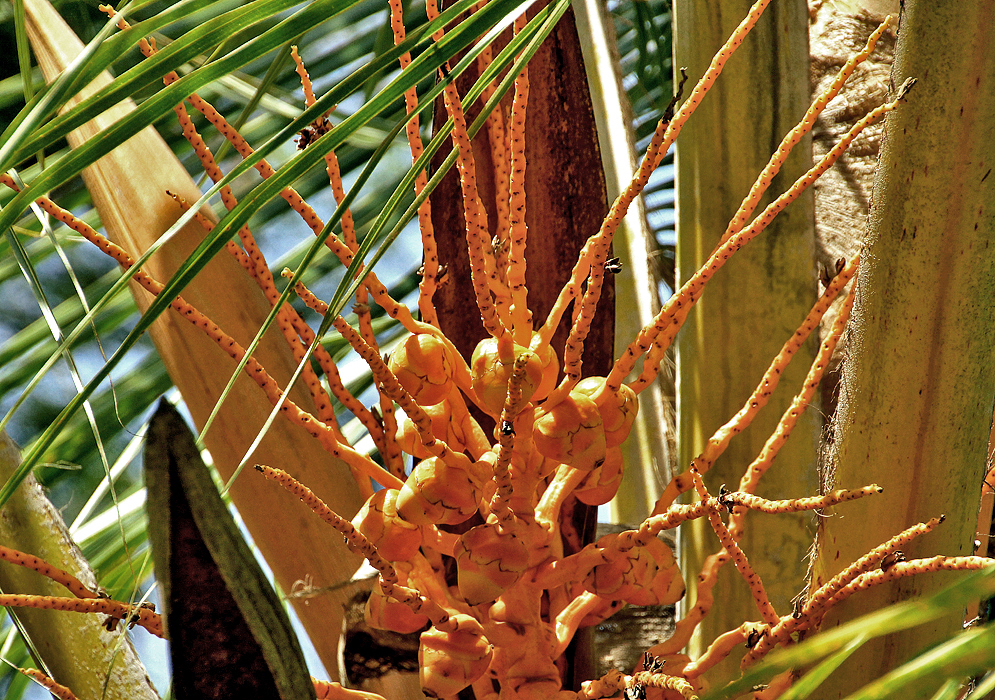
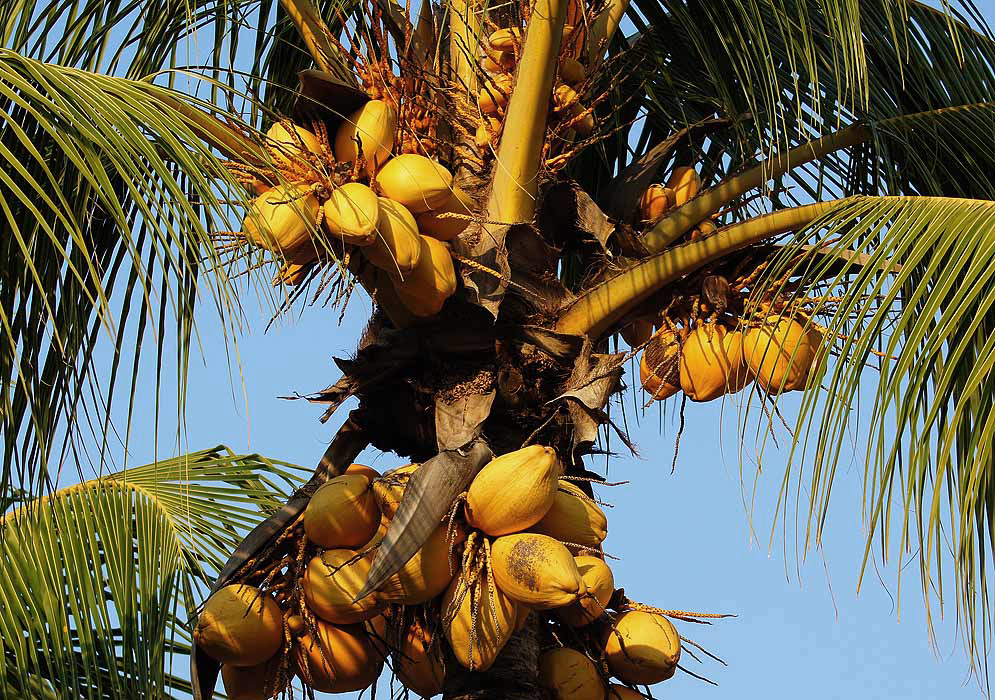
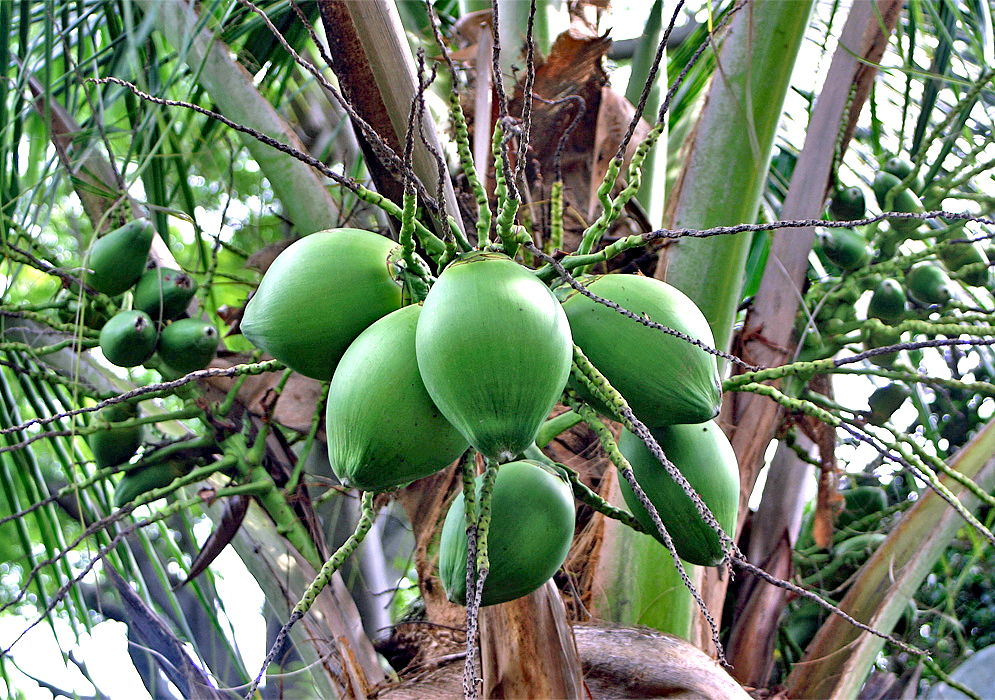
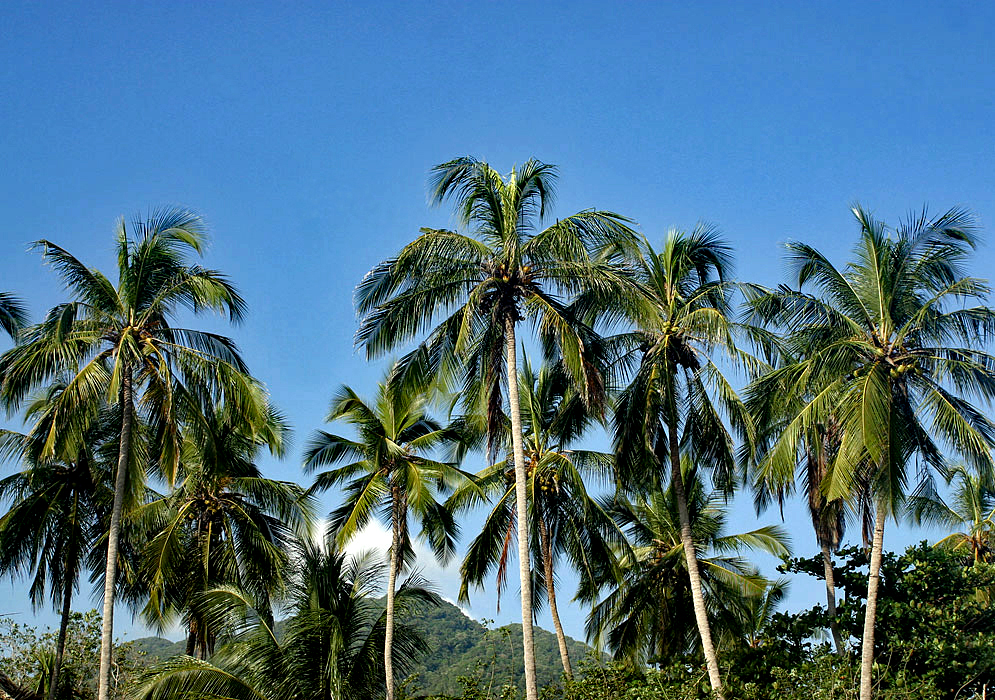
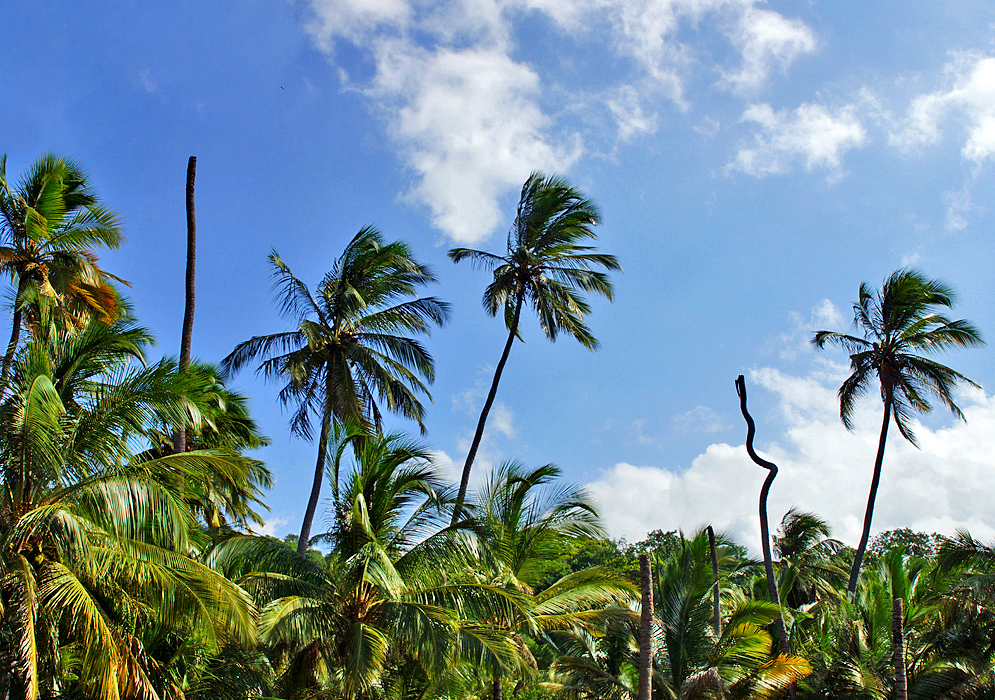
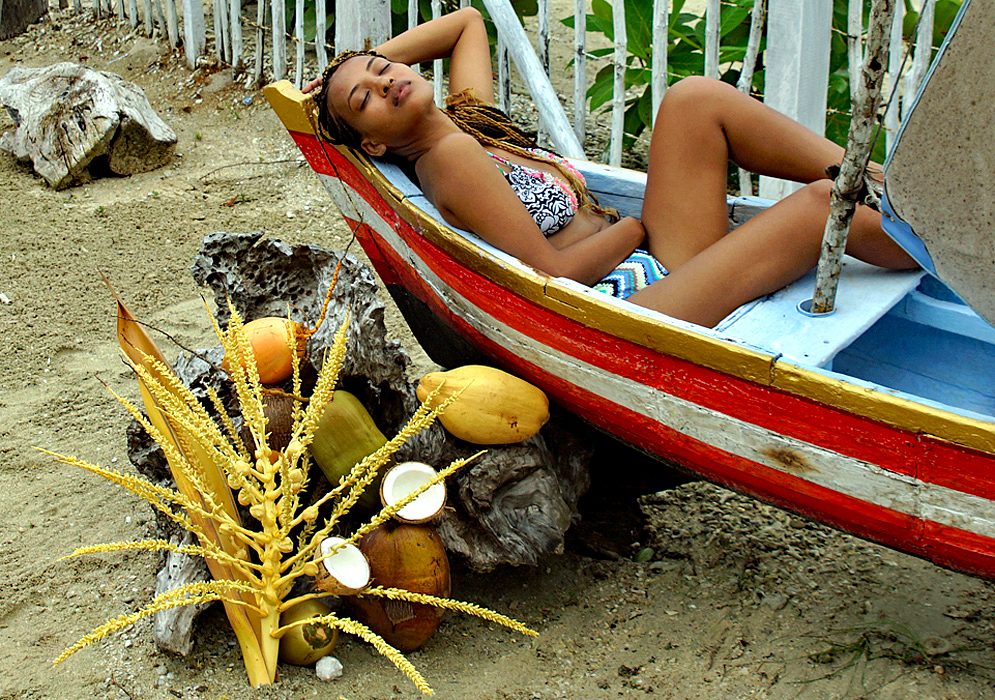
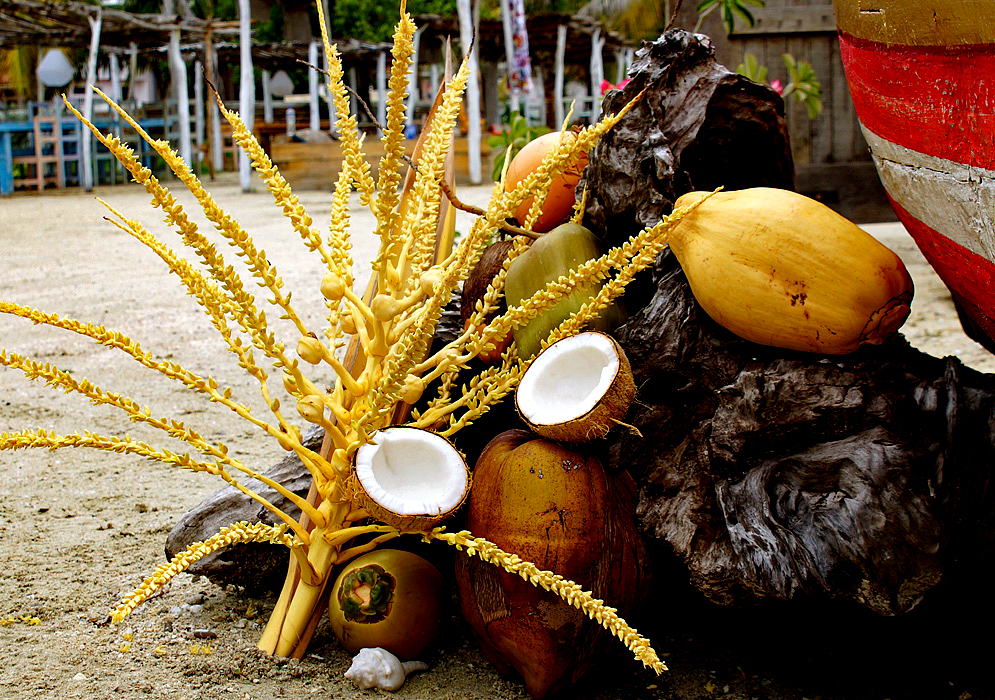
Native to central Malesia and the southwestern Pacific, coconut palm is cultivated throughout the tropics. Its solitary trunk bears leaf scars beneath a crown of featherlike fronds. Male and female flowers occur in the same branched clusters. The fruit has a fibrous husk and a hard inner shell with three eyes; one marks the pore through which the seedling emerges. The white flesh and coconut water are different forms of the seed’s nutritive tissue. Its buoyant husk and inner cavity allow dispersal by sea.
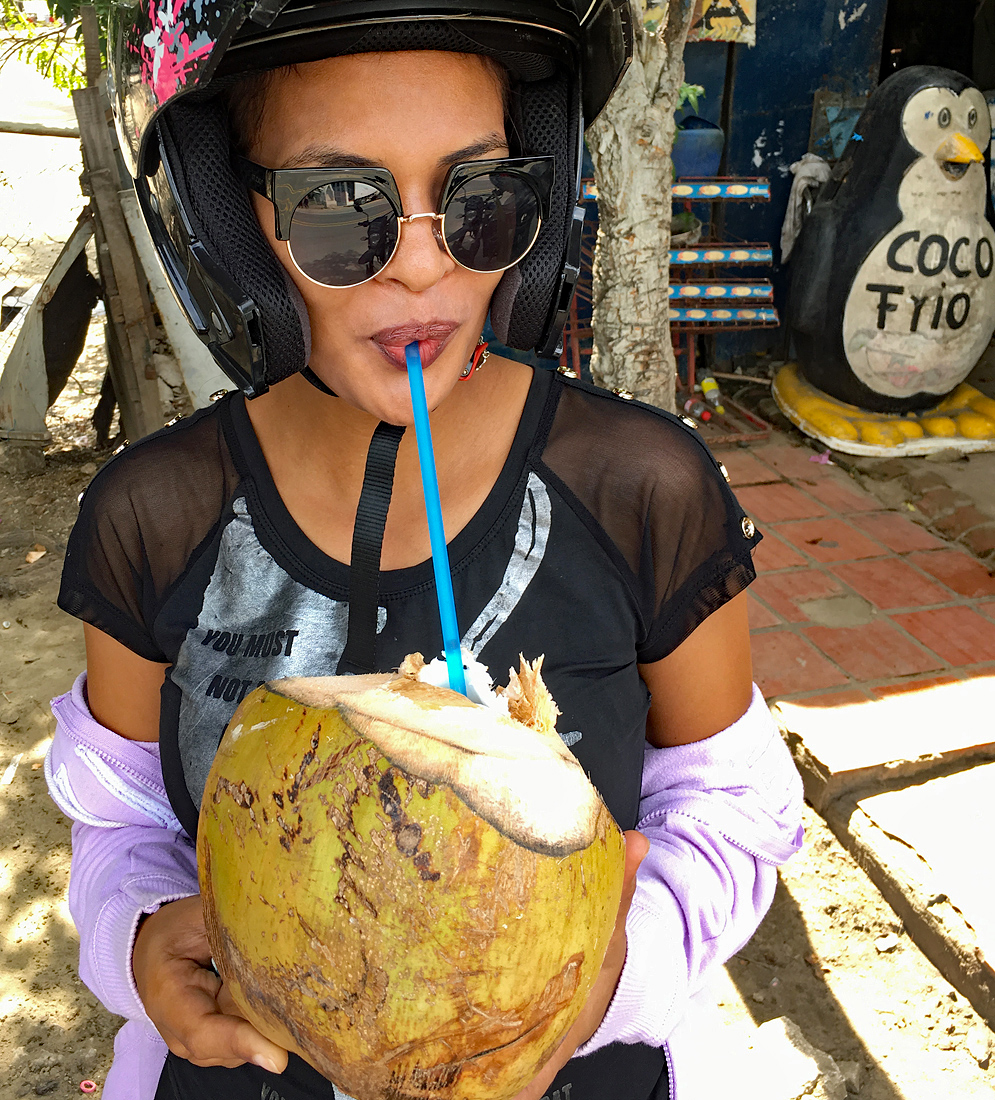
Fresh flesh is eaten or squeezed to produce coconut milk; dried flesh, called copra, supplies oil for food, soap and cosmetics. Husk fibers, known as coir, make ropes, mats and brushes, while leaves provide weaving and thatching materials. Indonesia, India and the Philippines are major producing countries. Virgin coconut oil has also been studied clinically as a skin moisturizer: a trial in children with mild to moderate atopic dermatitis found improved eczema scores and skin hydration compared with mineral oil. Photographed in Colombia.