

Matisia cordata (South American Sapote)
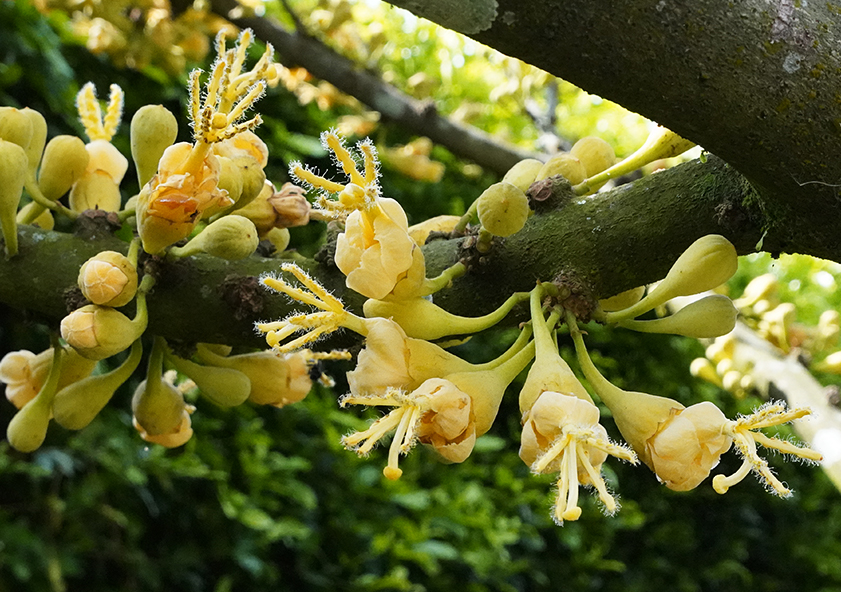
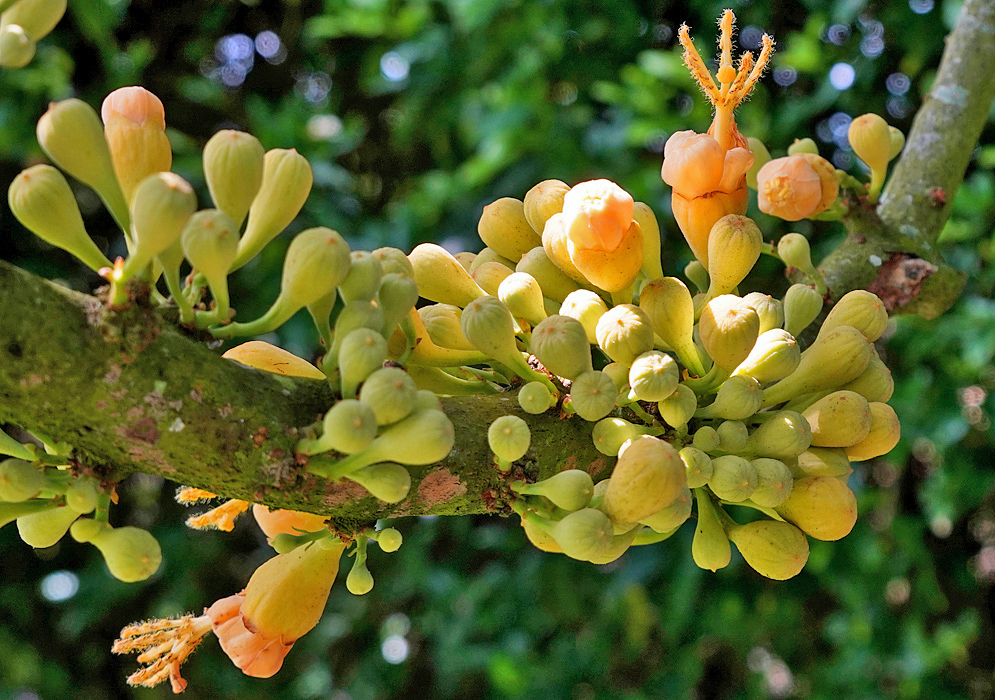
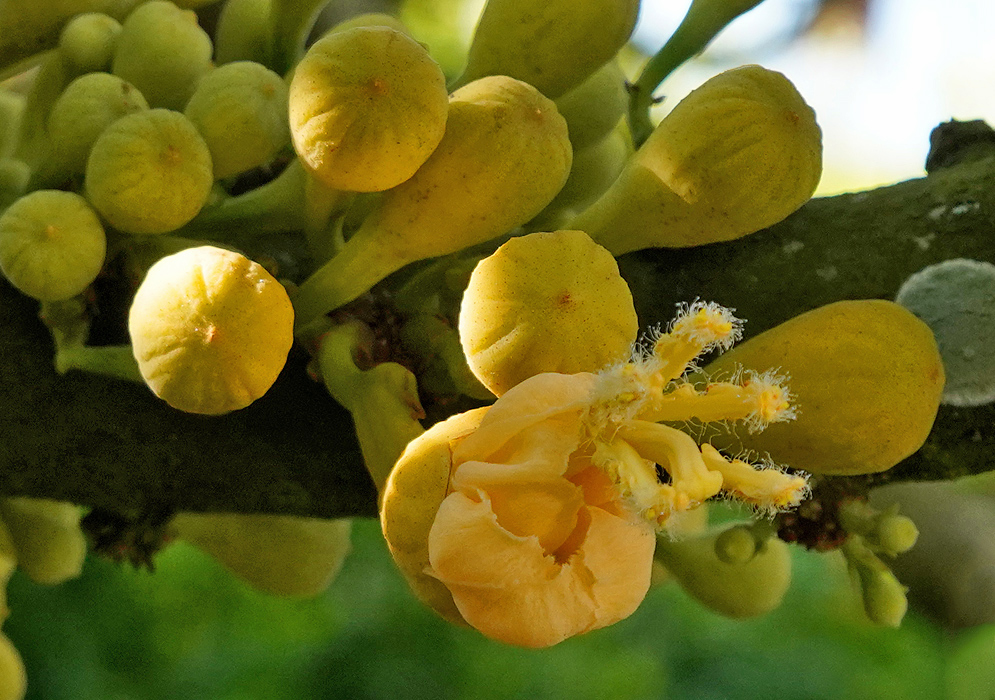
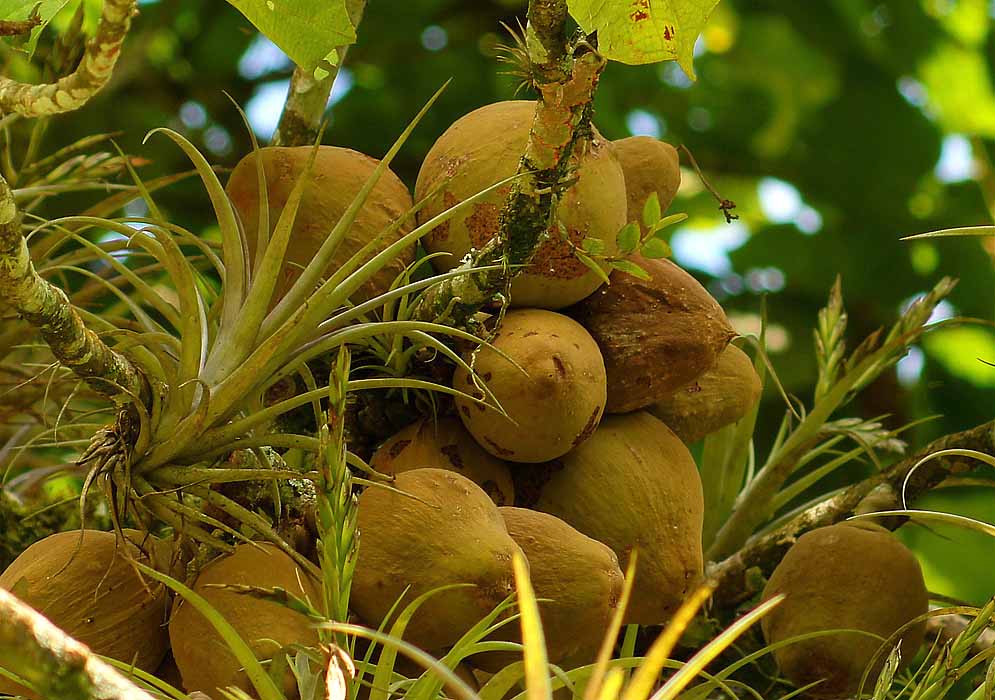
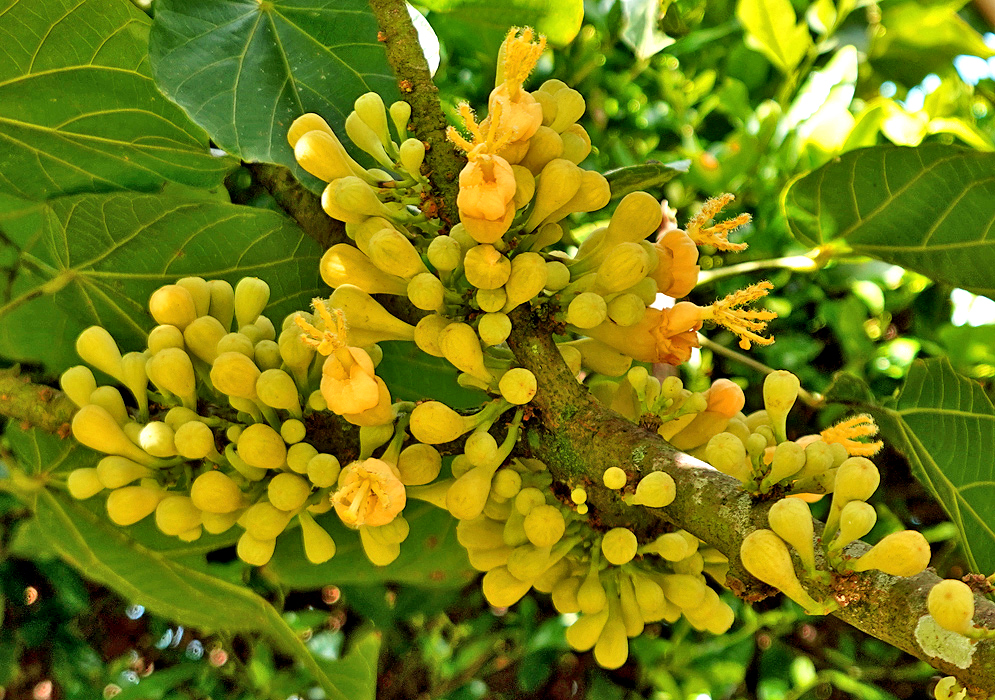
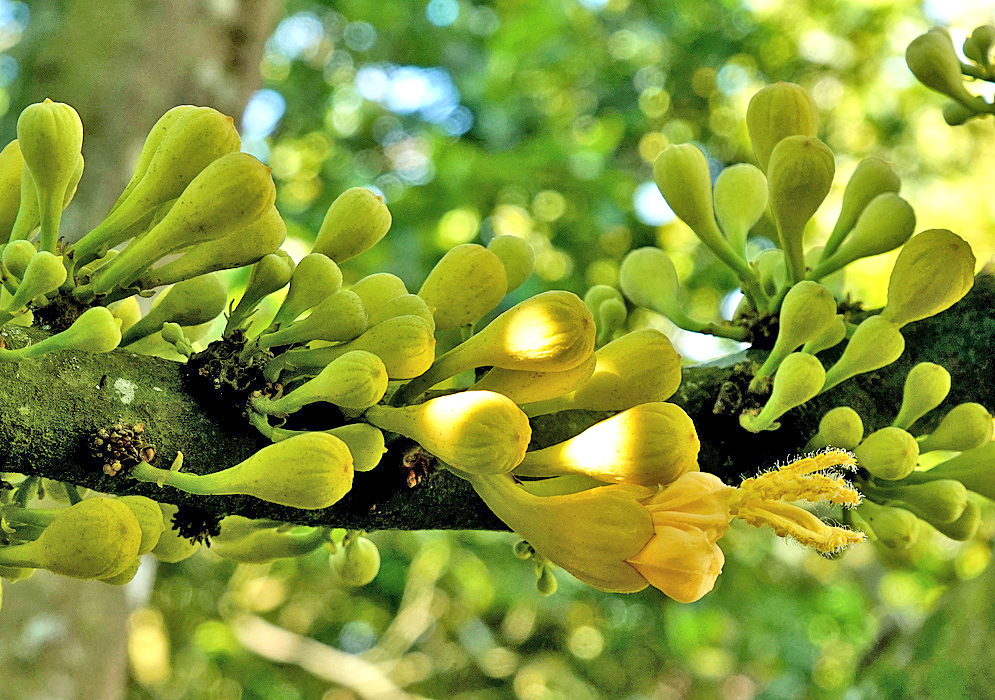
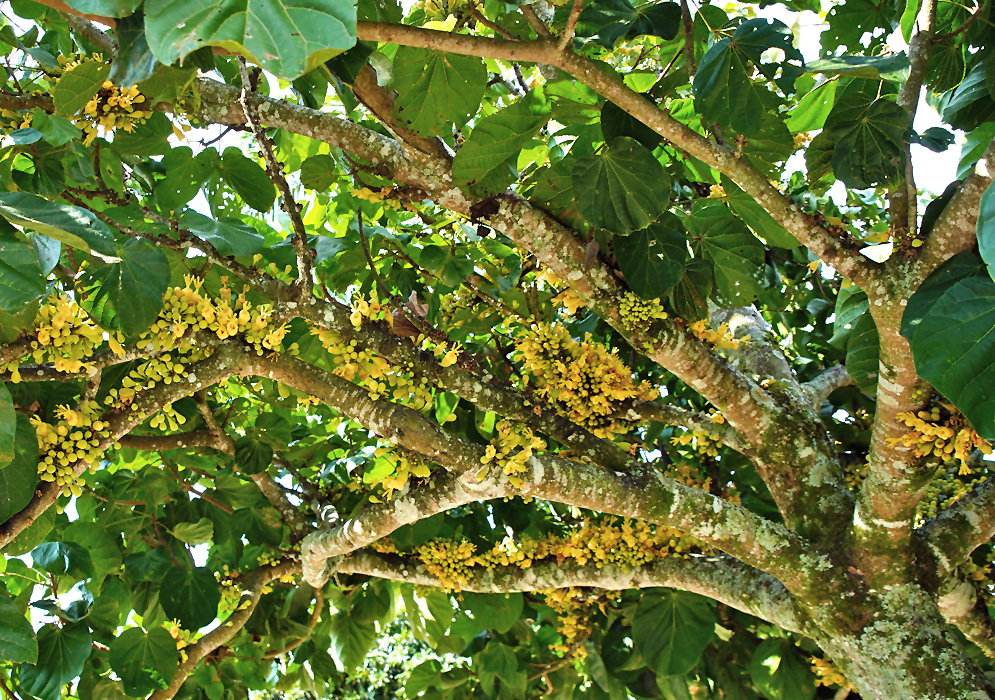
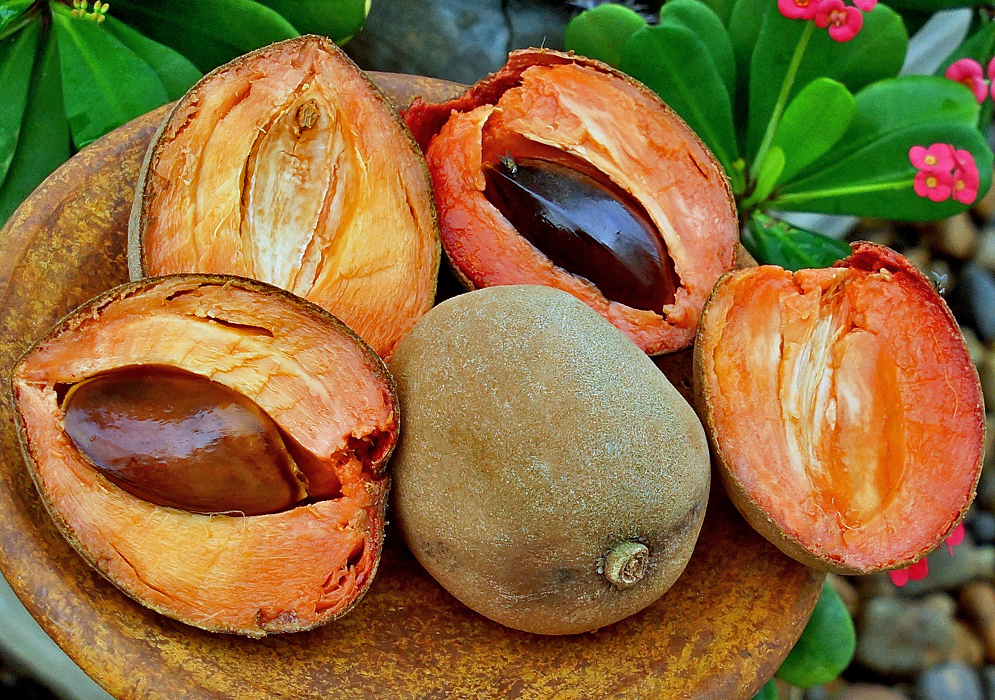
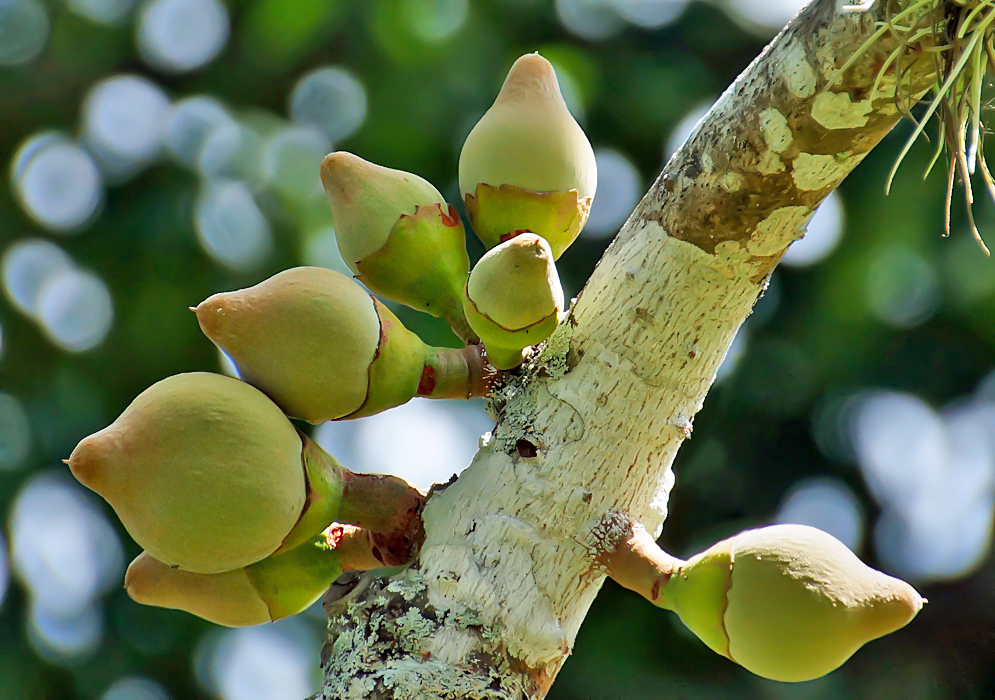
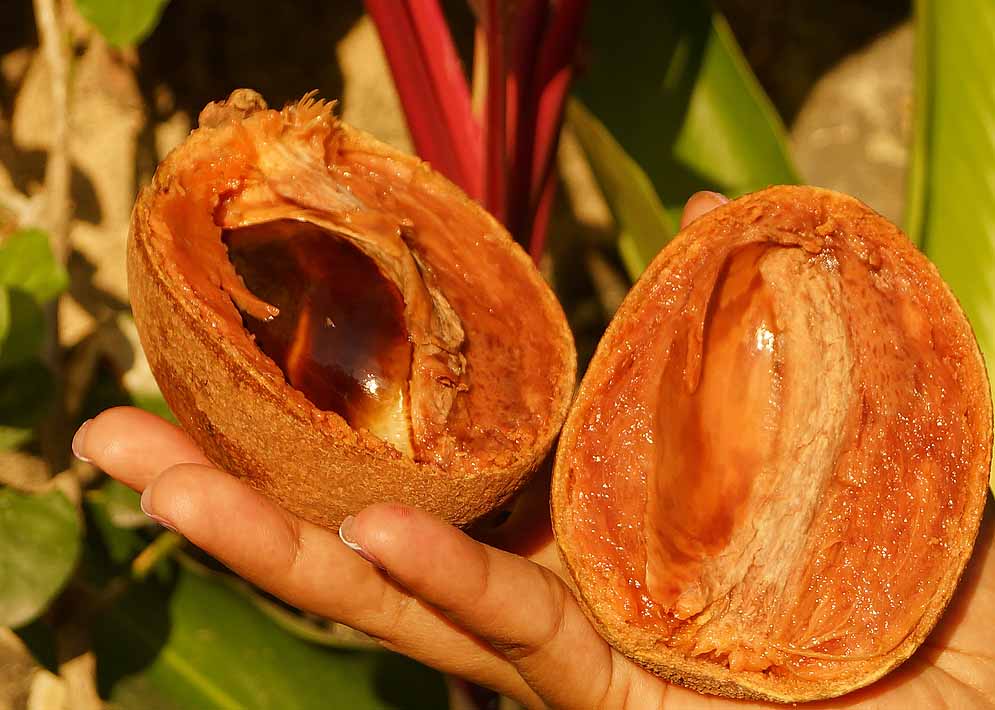
Native from Costa Rica to western South America and northwestern Brazil, South American sapote is a fruit tree of wet tropical forests. Its flowers grow directly from the trunk and branches. Fruits contain two to five seeds surrounded by soft, juicy flesh, with long fibers extending from the seeds through the pulp. Flavor varies among trees, and sweeter, less fibrous selections are especially valued. The pulp supplies vitamins A and C and is usually eaten fresh; less fibrous fruit can also be used for juice. It is sold in markets in Colombia, Ecuador and Brazil.
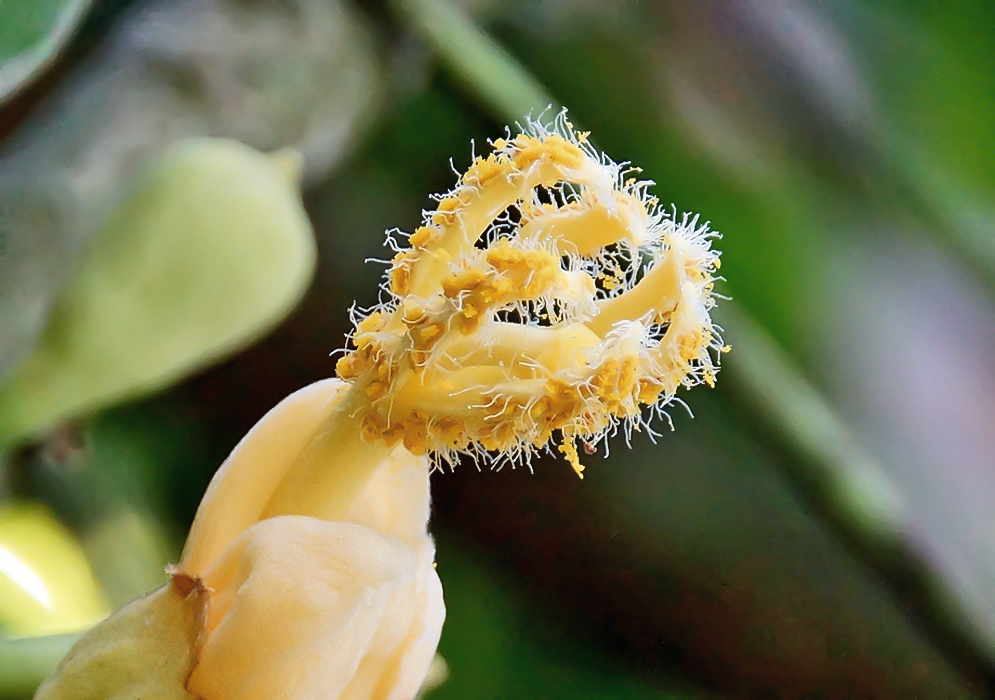
The flowers open with pollen-bearing stamens functioning before the stigma becomes fully receptive. In Antioquia, Colombia, the species predominantly cross-pollinates, although some self-pollination is possible. Development from the flower-bud stage to ripe fruit takes roughly seven to nine months in the trees studied there. Photographed in the western Andes mountain range of Colombia.