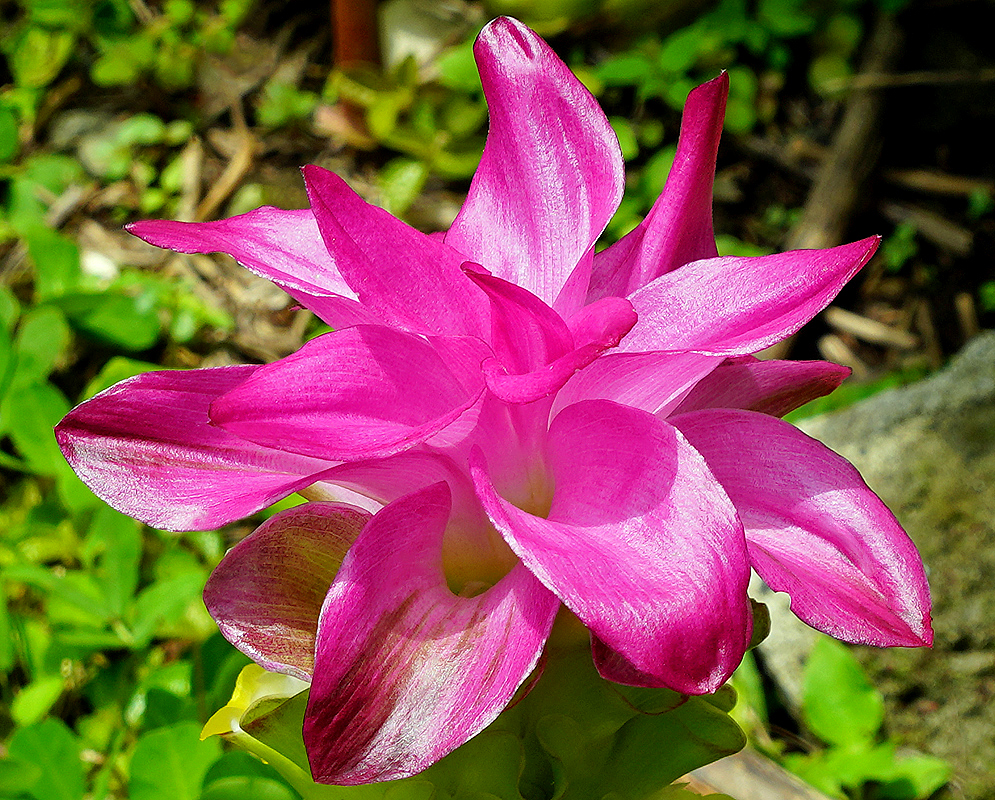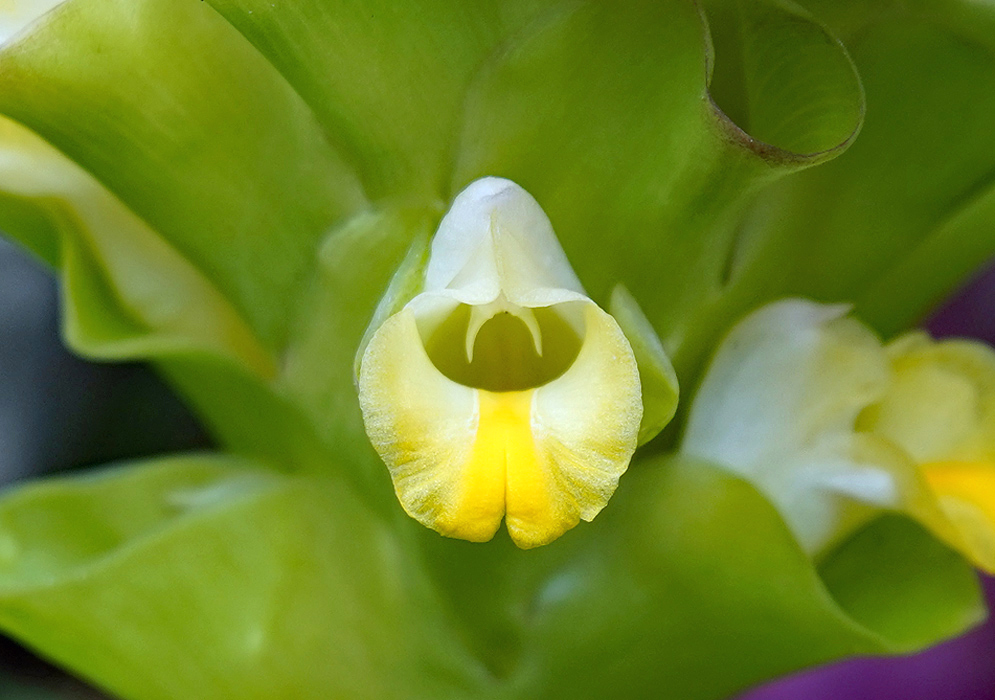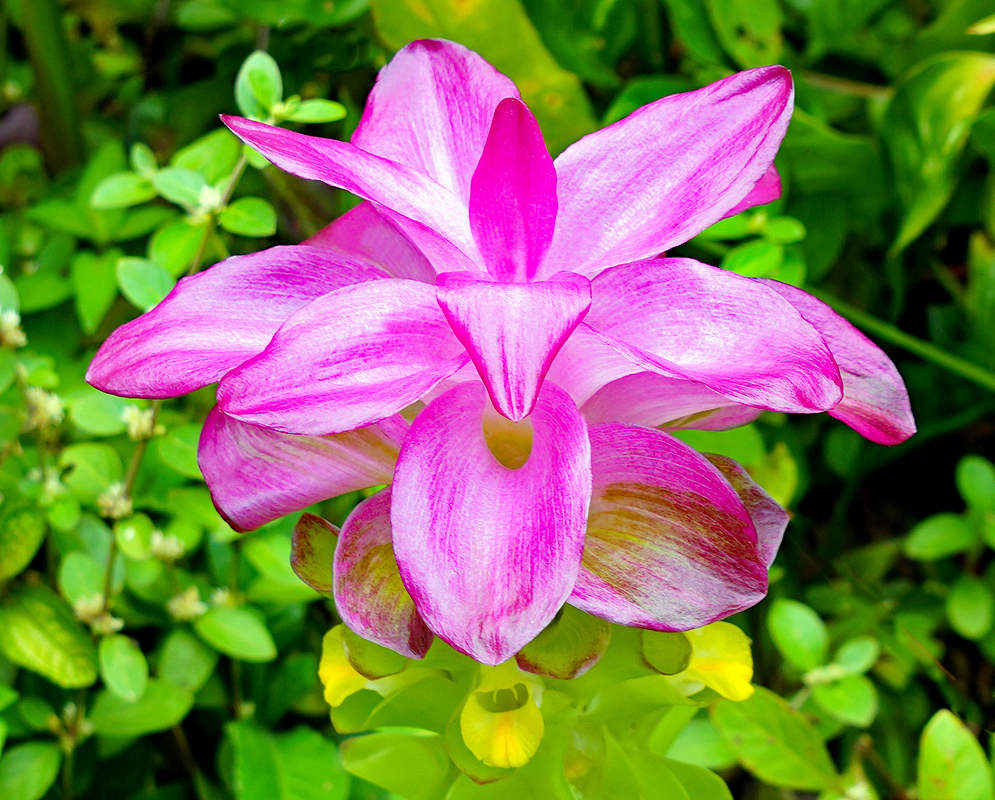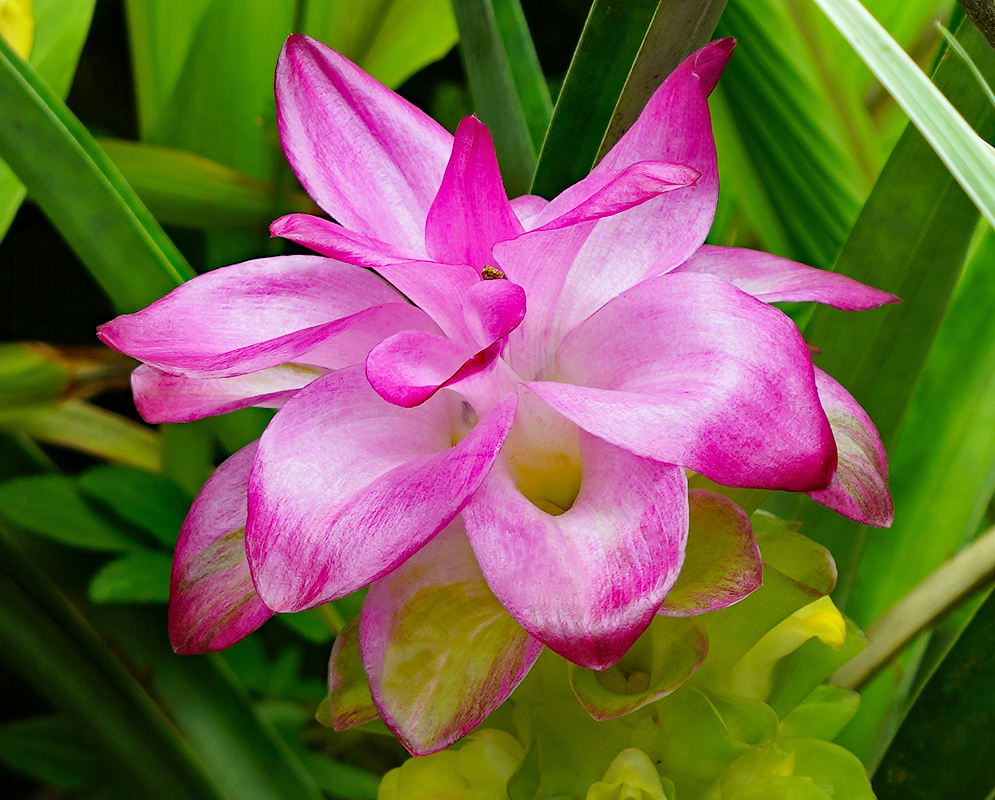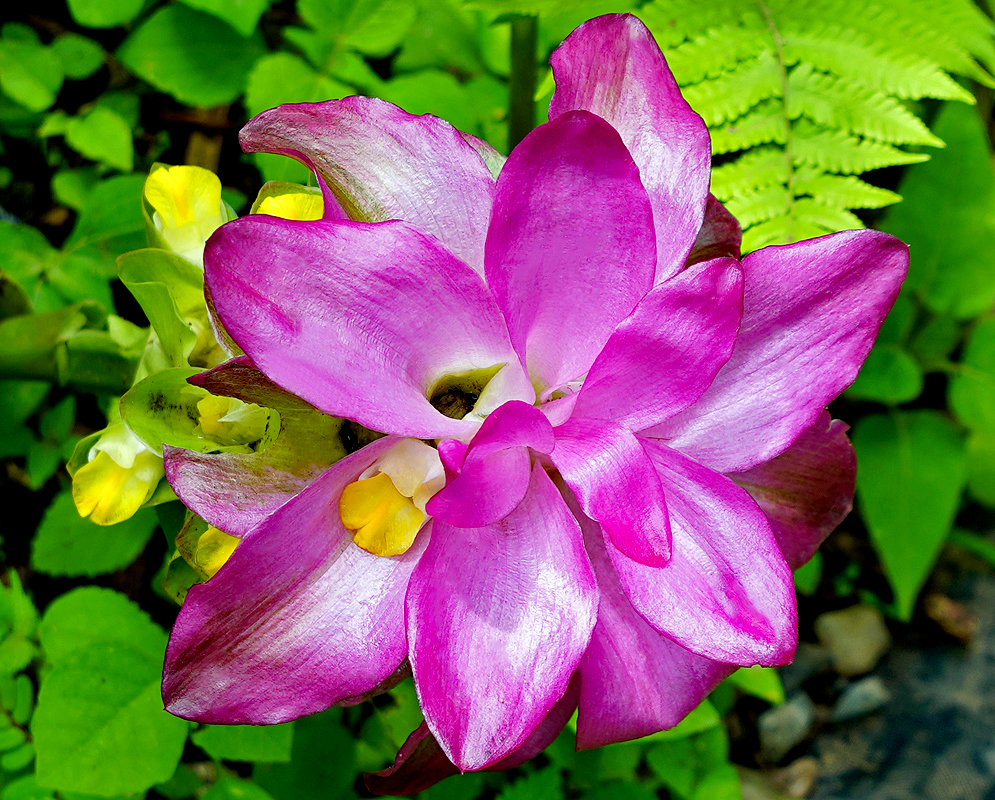


Curcuma zedoaria (White Turmeric)
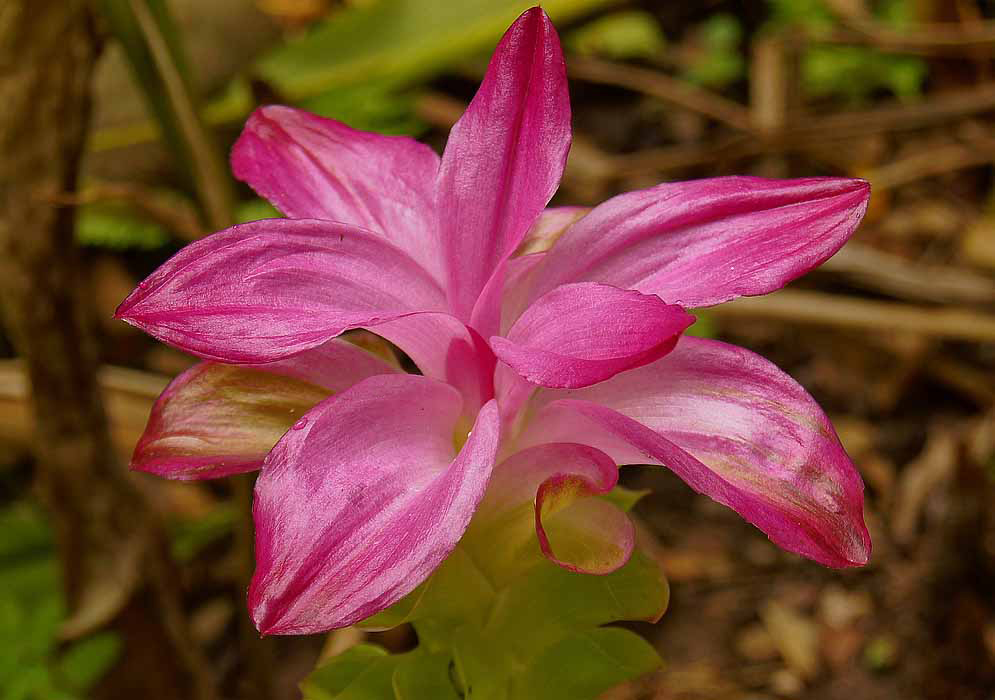
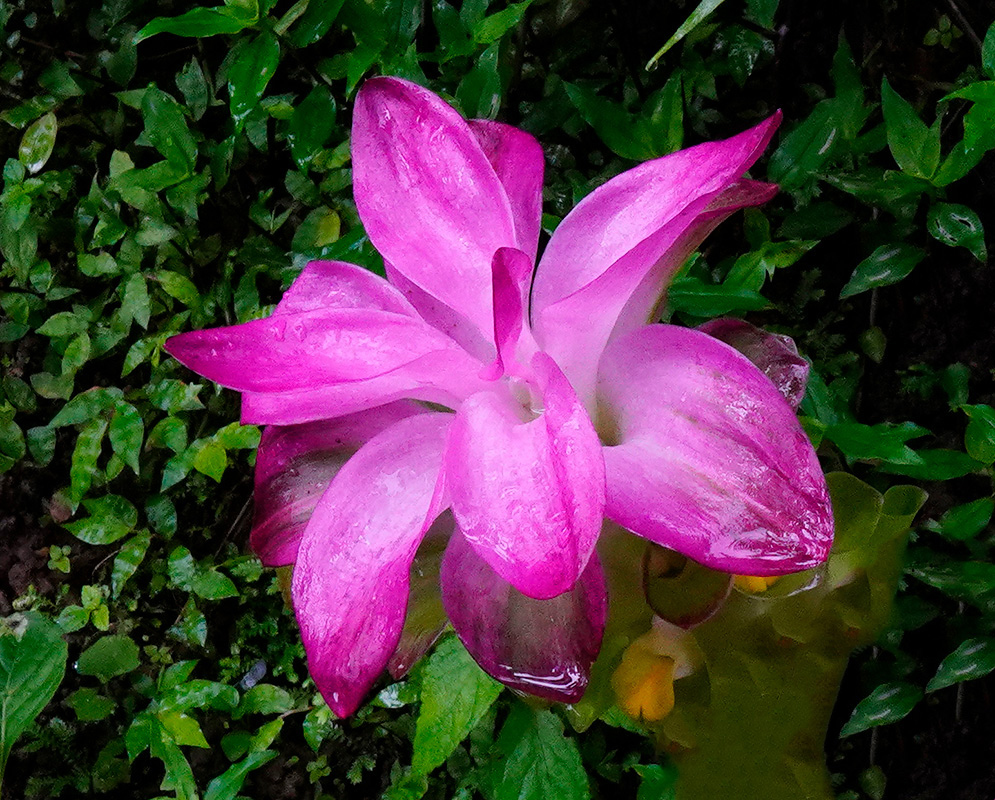
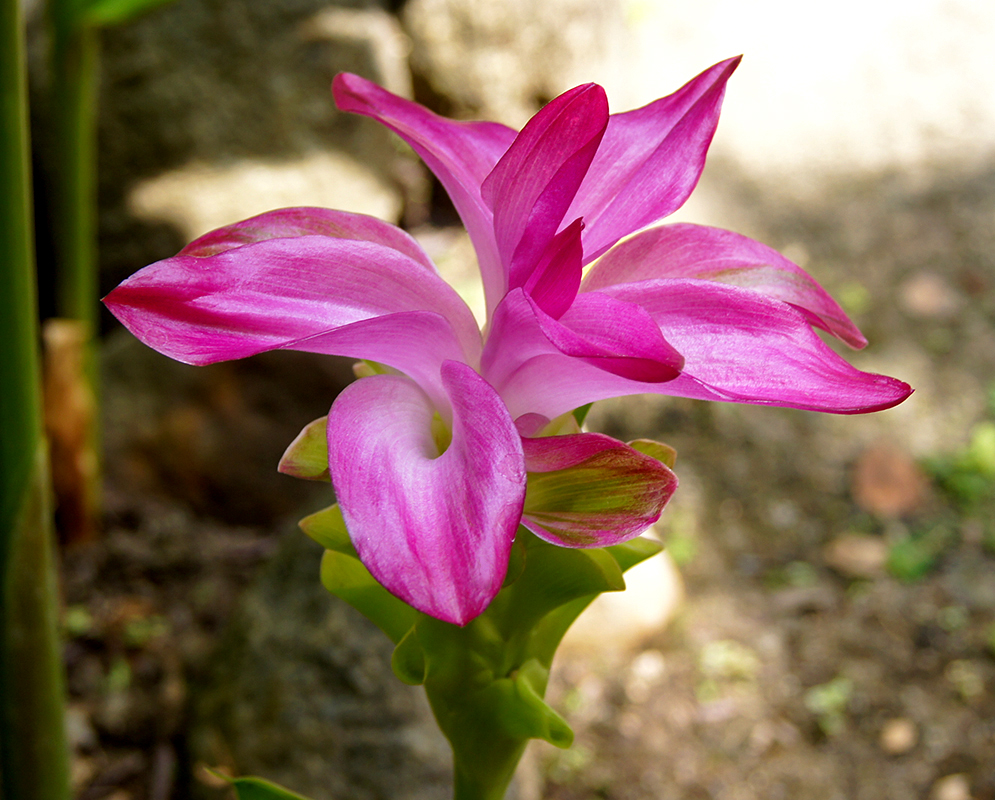
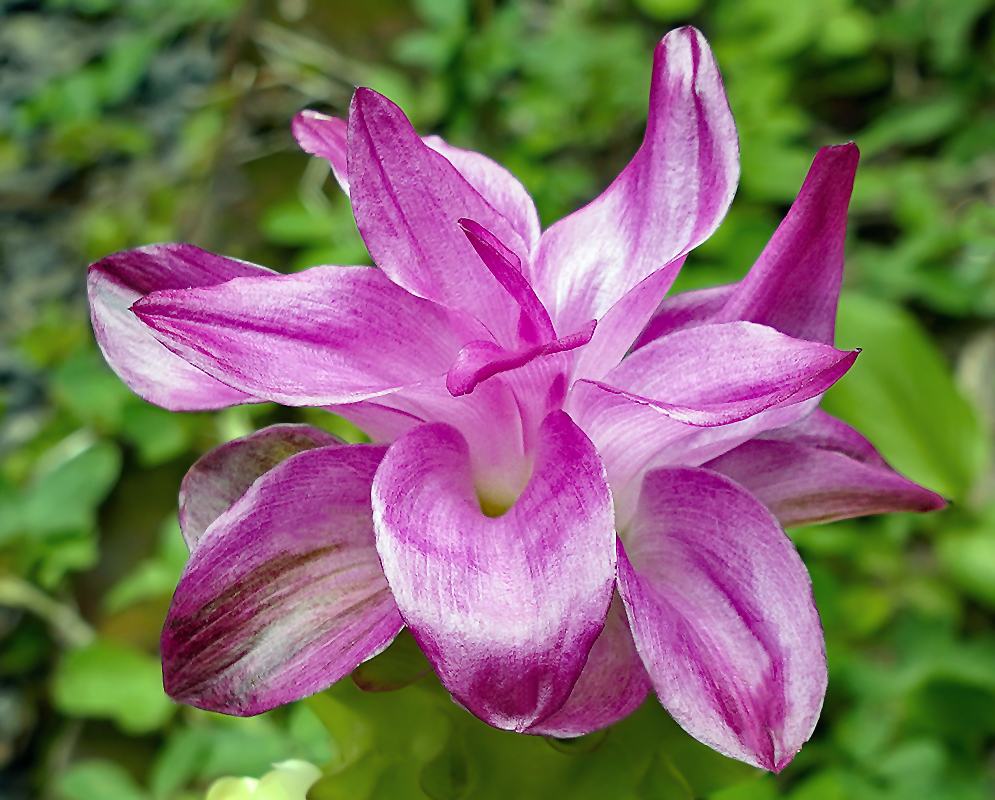
Native to the eastern Himalayas, Assam and Bangladesh, white turmeric is a rhizomatous perennial herb with aromatic underground stems. Flowering shoots emerge separately from the leafy growth, carrying dense spikes crowned by enlarged pink, white or reddish bracts. These upper bracts contain no flowers; the flowers develop among the lower bracts. The rhizomes have a ginger-like, camphor-scented aroma and a bitter, pungent aftertaste. They supply shoti starch and are used as a spice and in perfumery. In Indonesia, young shoots and rhizome tips are eaten, while the flower clusters are cooked as vegetables. The leaves flavor food in India and Indonesia.
Traditional uses of the rhizomes include relief of stomachache, digestive gas and colds, as well as preparations for wounds and skin complaints. A small human study involving 30 men with mildly elevated cholesterol reported lower blood cholesterol after two months of zedoary tea. However, every study group received the tea, so there was no untreated comparison group to establish whether the tea caused the improvement. Photographed in Quindio, Colombia.