

Curatella americana
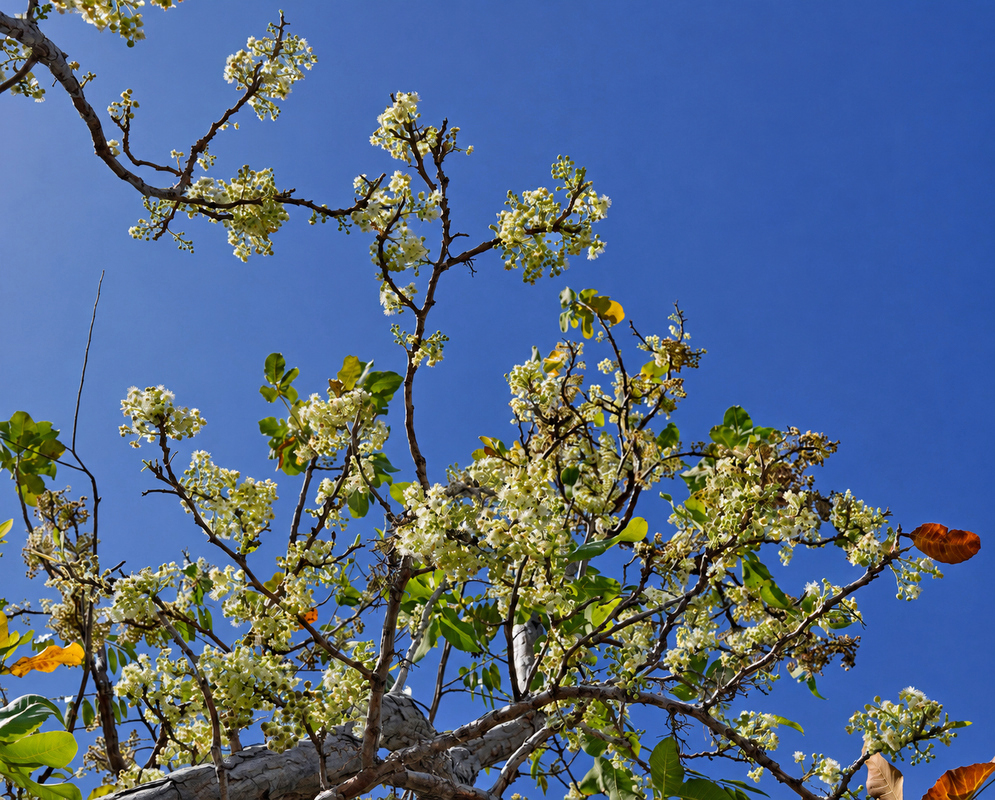
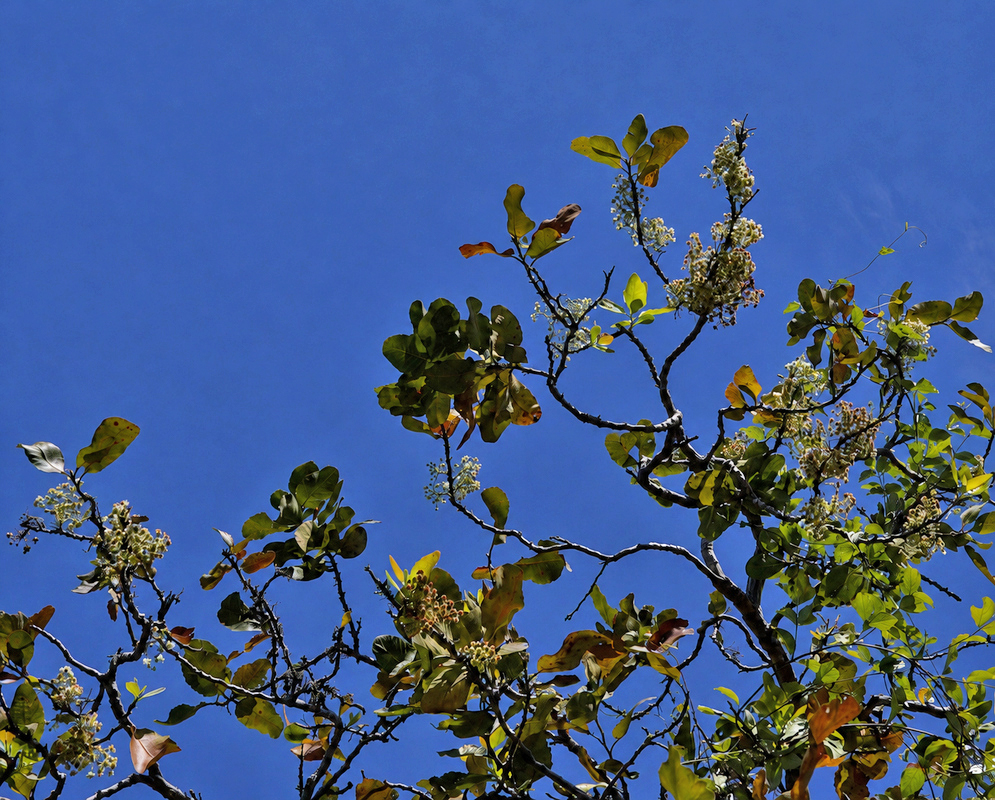
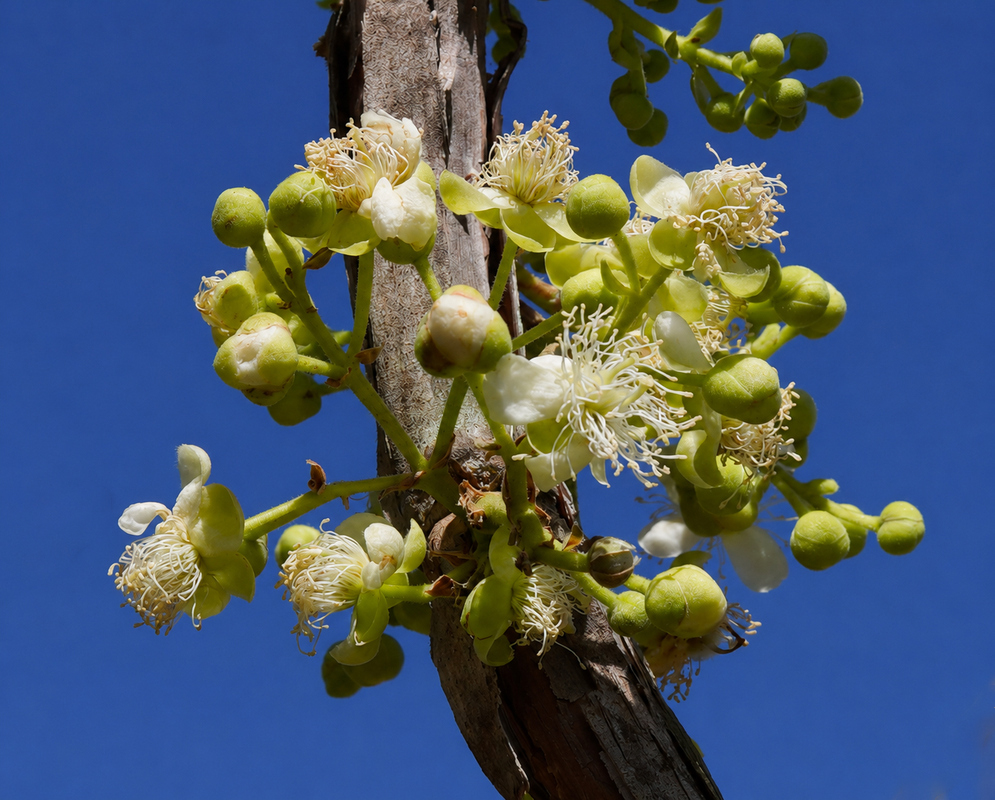
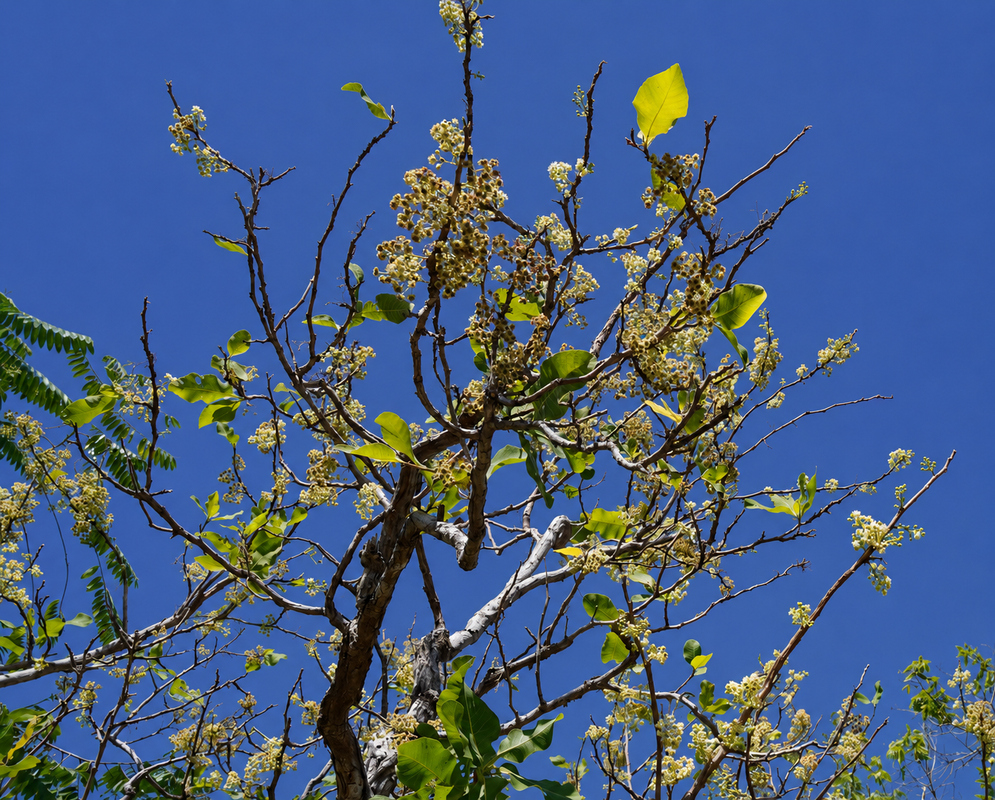
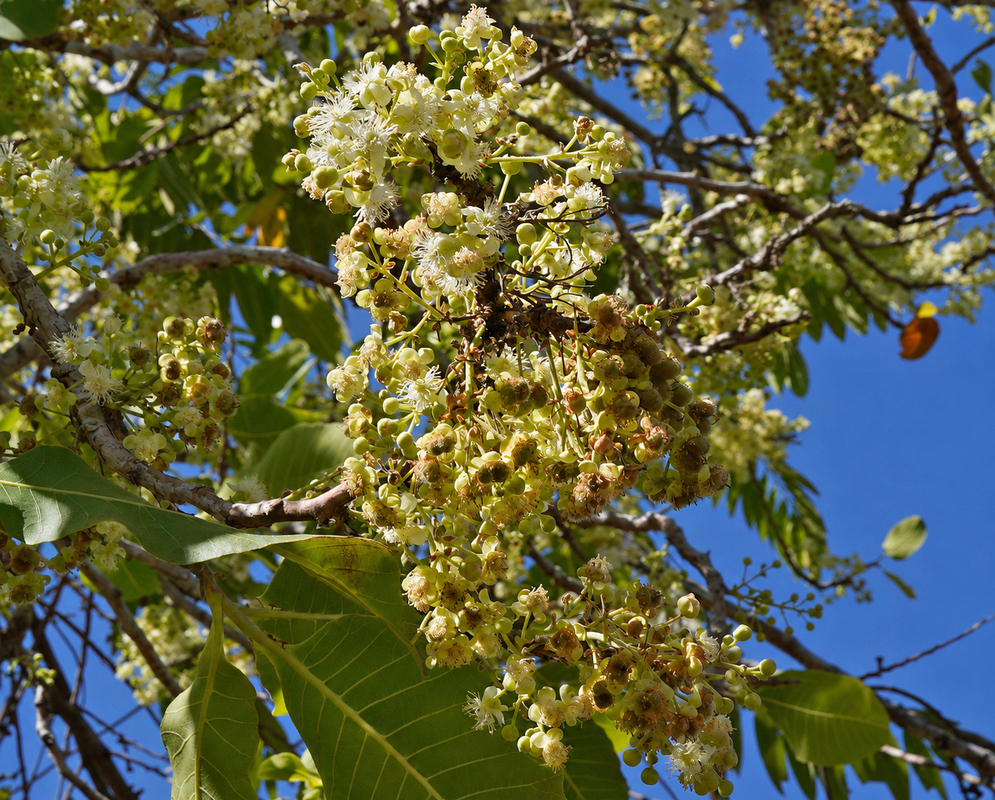
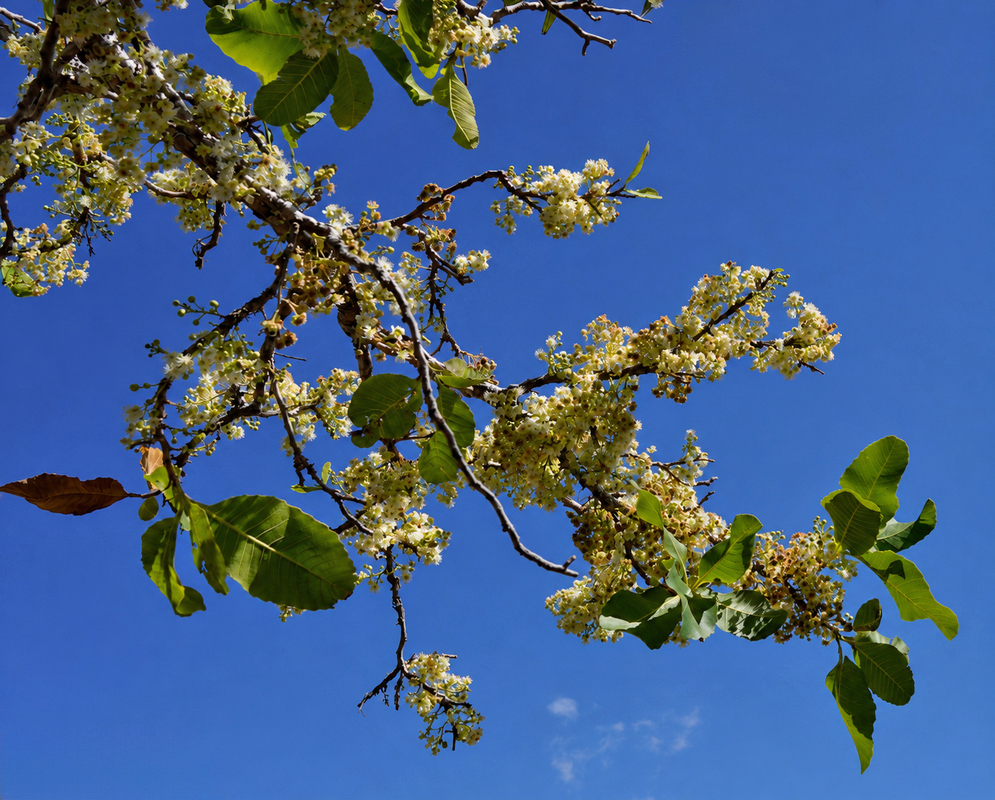
Native from southern Mexico through Central America into tropical South America, the sandpaper tree is characteristic of savannas, open woodland and seasonally dry landscapes. Its short trunk and irregular crown often support spreading, crooked branches. Small white to greenish-white flowers appear in branched clusters along the woody stems. Each blossom has numerous slender stamens, and the flowers have a sweet scent. The leaves are exceptionally rough because of their hairs and silica content; this distinctive texture gives the tree its common name.
The leaves have been used as natural scouring pads and to smooth wooden objects. Its wood supplies posts, small construction materials, firewood and charcoal, while tannin-rich bark has been used in leather processing. In traditional medicine, leaf and bark preparations have been used for wounds, skin complaints and digestive disorders. Experimental studies have investigated wound healing in mice and antifungal activity in laboratory cultures; these findings concern tested extracts and are separate from demonstrated treatments in people. Photographed in Panama.