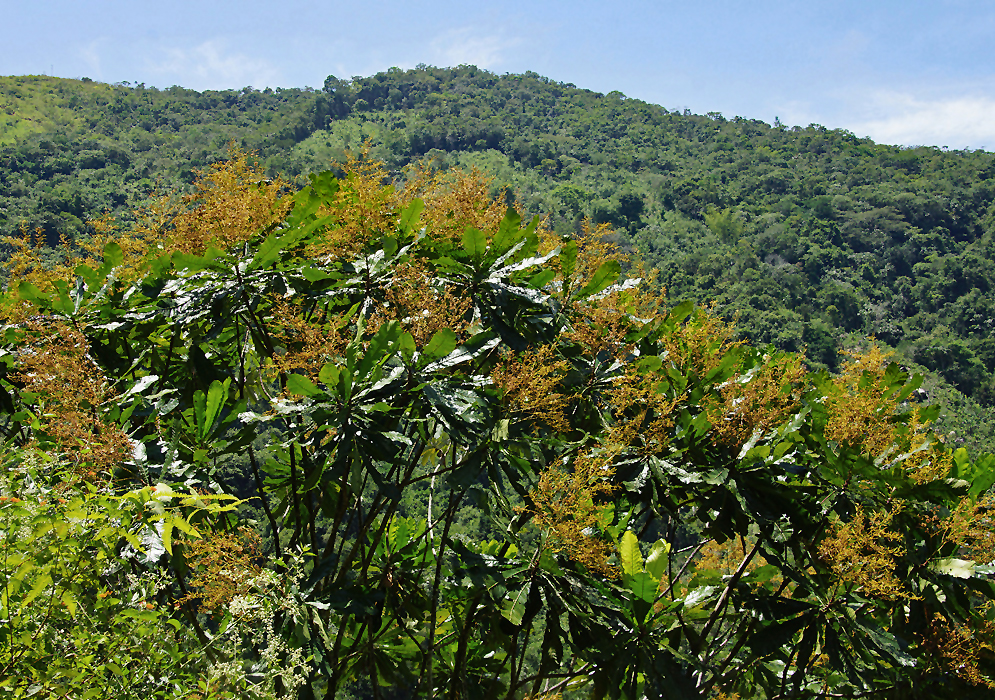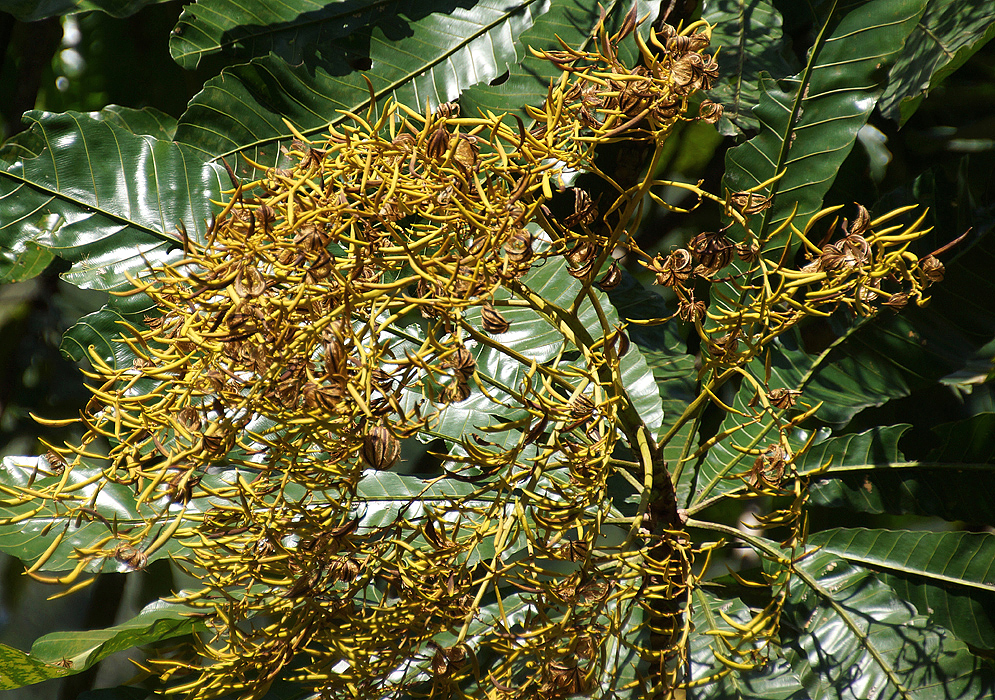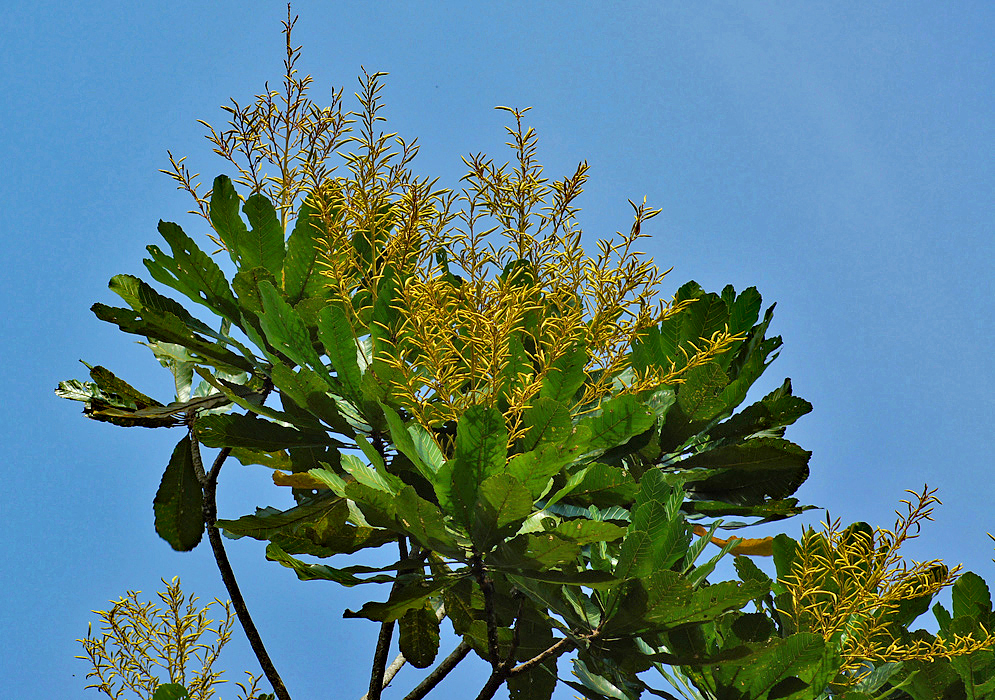


Cespedesia spathulata
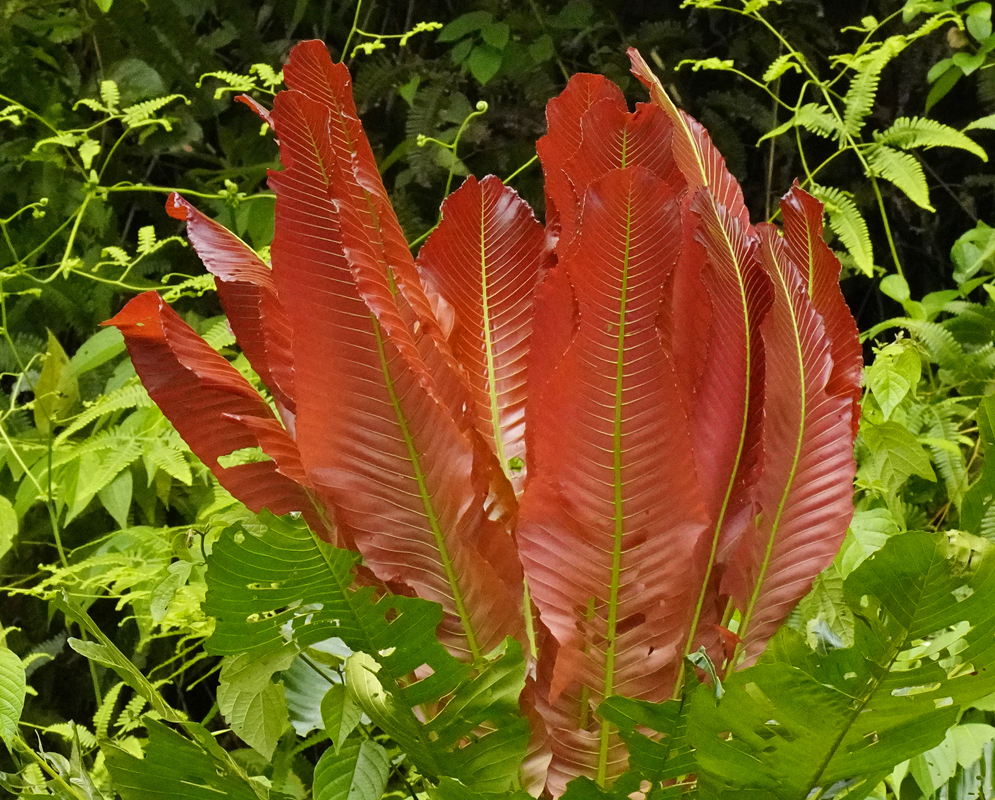
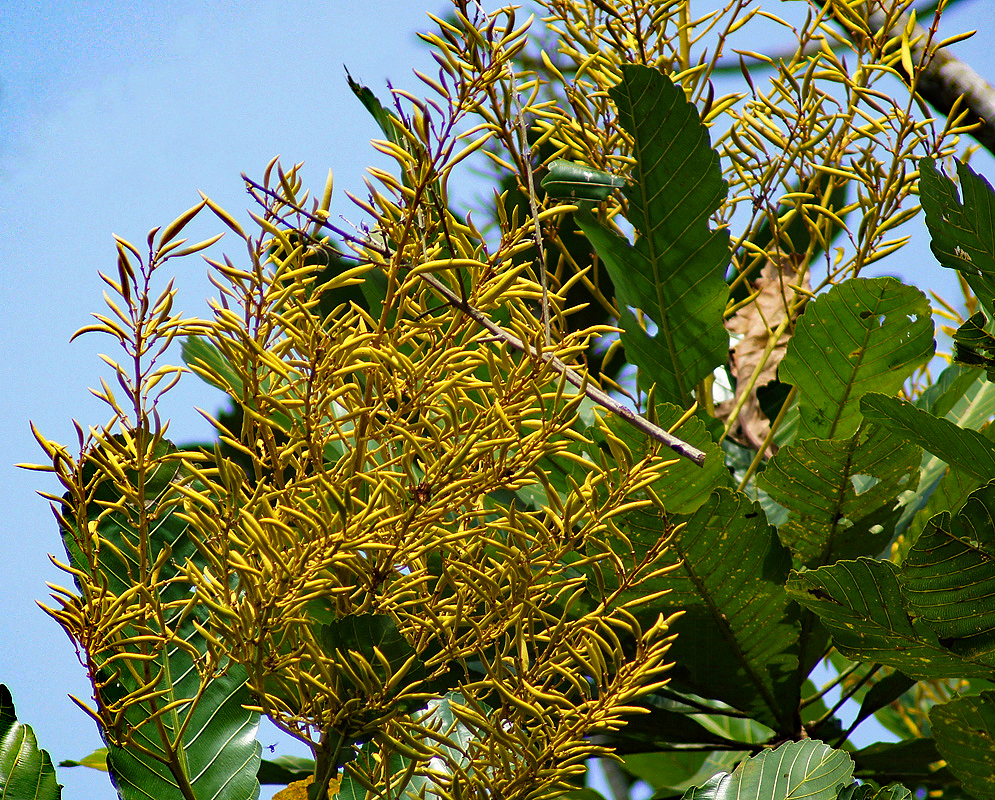
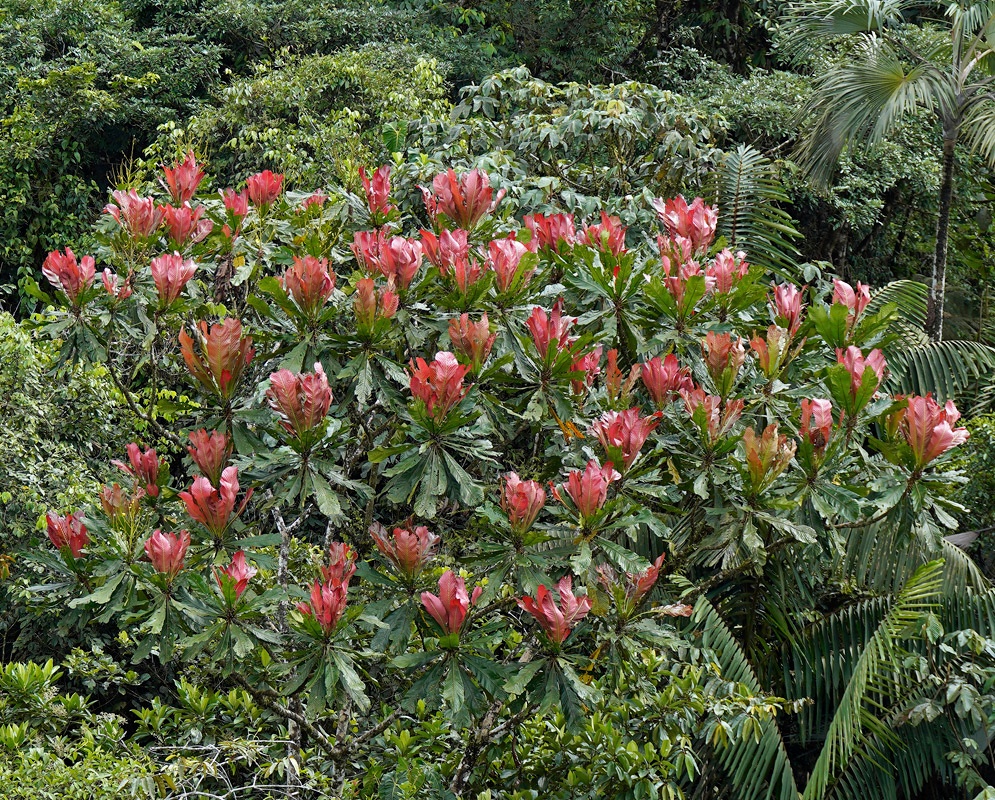
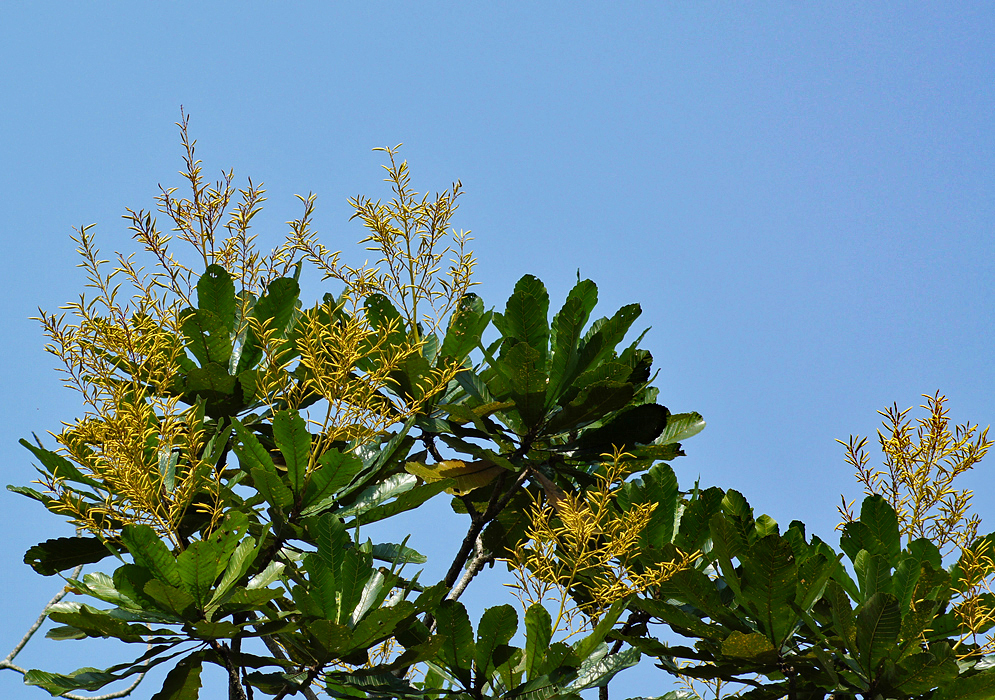
Native to Central America and tropical South America, this tree grows in humid forests, clearings and other disturbed places. In Colombia, it occurs at about 300–4,000 feet. Its foliage clusters at the branch tips, with new growth emerging reddish before maturing. Branched clusters of yellow flowers rise above the crown, each flower carrying numerous stamens. The woody capsules open when ripe and release winged seeds that travel on the wind. In Panama, the wood is used in rural construction, and the leaves are used in floral decorations for religious celebrations.
The bark has traditional medicinal uses for dysentery and diarrhea in Guyana. In the Ecuadorian Amazon, it has been used for coughs and to stimulate milk production after childbirth. Leaf compounds have also attracted laboratory research into skin pigmentation: catechin-rich extracts increased the activity of tyrosinase, an enzyme involved in melanin formation. This experimental finding has not established a treatment for pigment disorders in people. Photographed in the central Andes mountain range of Colombia.