

Capra hircus (Domestic Goat)
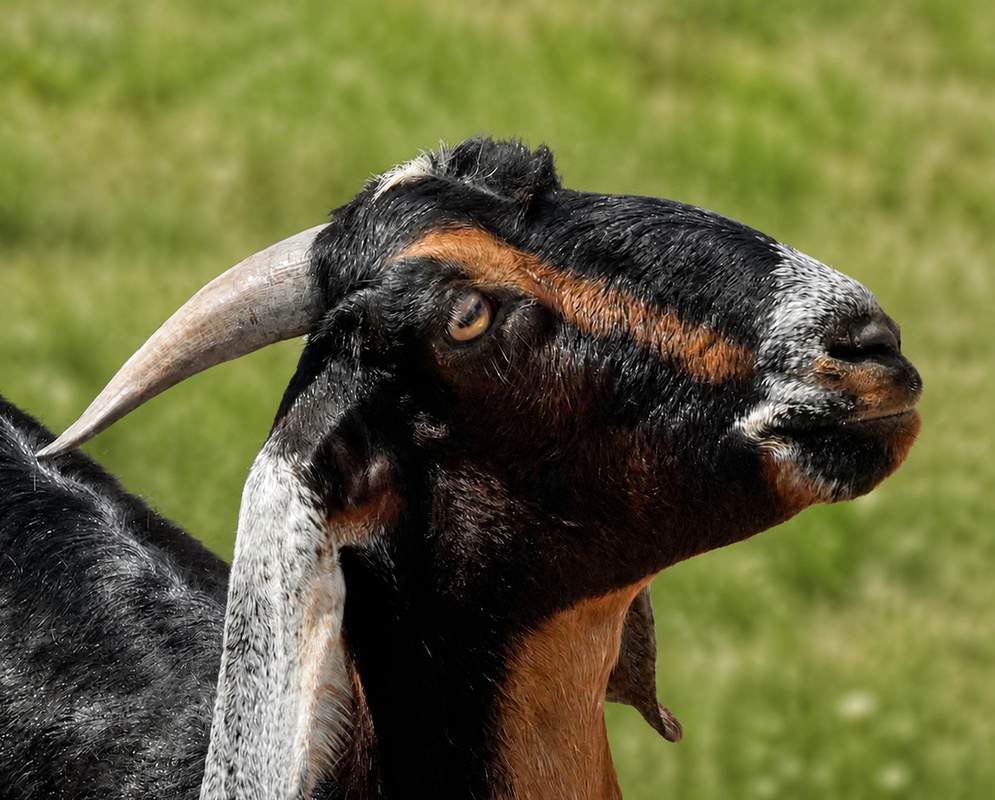
Capra hircus (domestic goat) is one of the earliest livestock species domesticated by people. Archaeological and genetic evidence places early management in western Asia more than 10,000 years ago, primarily from wild bezoar goats. Human migration and trade carried goats across inhabited continents, where selection produced breeds adapted for milk, meat, fiber, hides, pack work, and vegetation management. Domestic goats range from compact dairy breeds to large meat and fiber animals; the Anglo-Nubian is recognizable by its long pendulous ears and strongly convex facial profile.
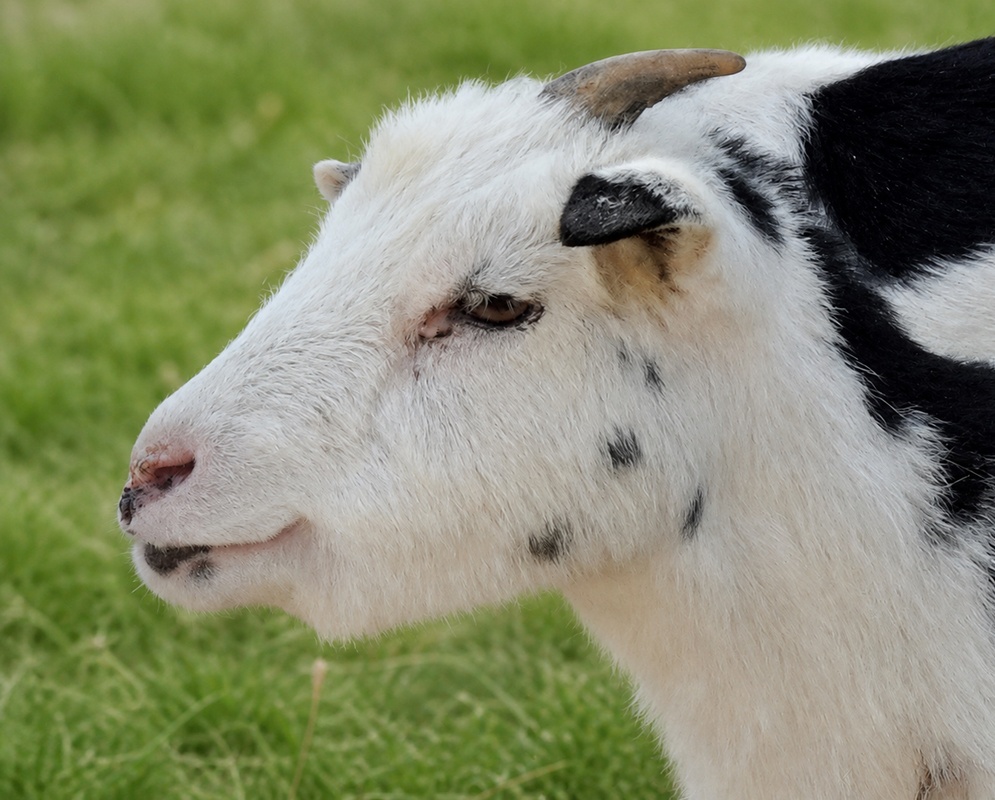
Goats are social herd animals that establish stable dominance relationships and communicate through calls, posture, scent, and physical contact. Their horizontal rectangular pupils provide a broad field of view, while mobile lips help them select individual leaves, shoots, bark, and other plant material. They usually browse woody vegetation as well as graze grasses, allowing them to use terrain and forage that may be difficult for larger livestock. Both sexes may carry horns, depending on breed and breeding line, and horn shape varies considerably. Does generally give birth to one to three kids after a gestation of about five months. Photographed in Colombia.