
Bougainvillea spectabilis
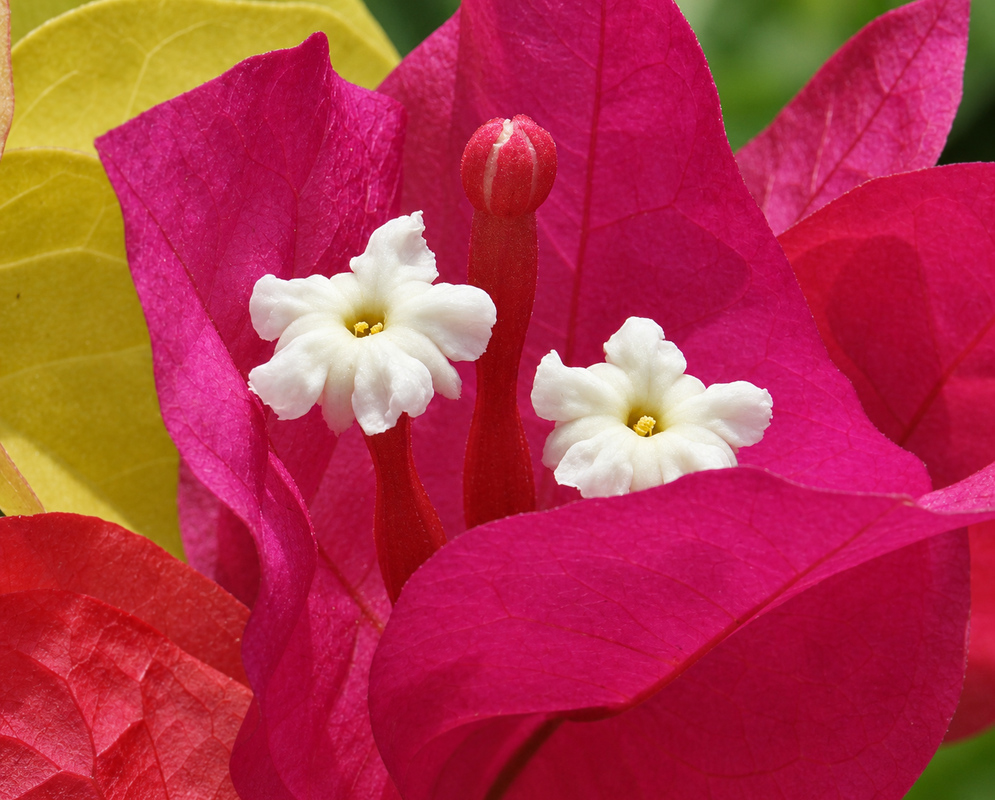
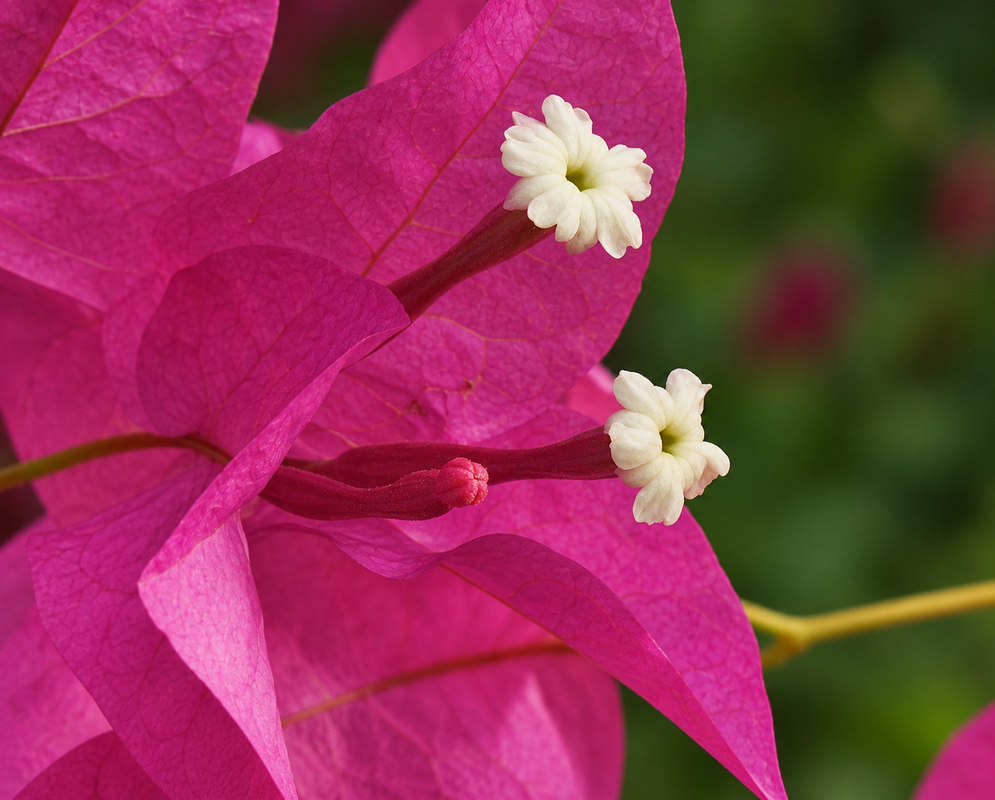
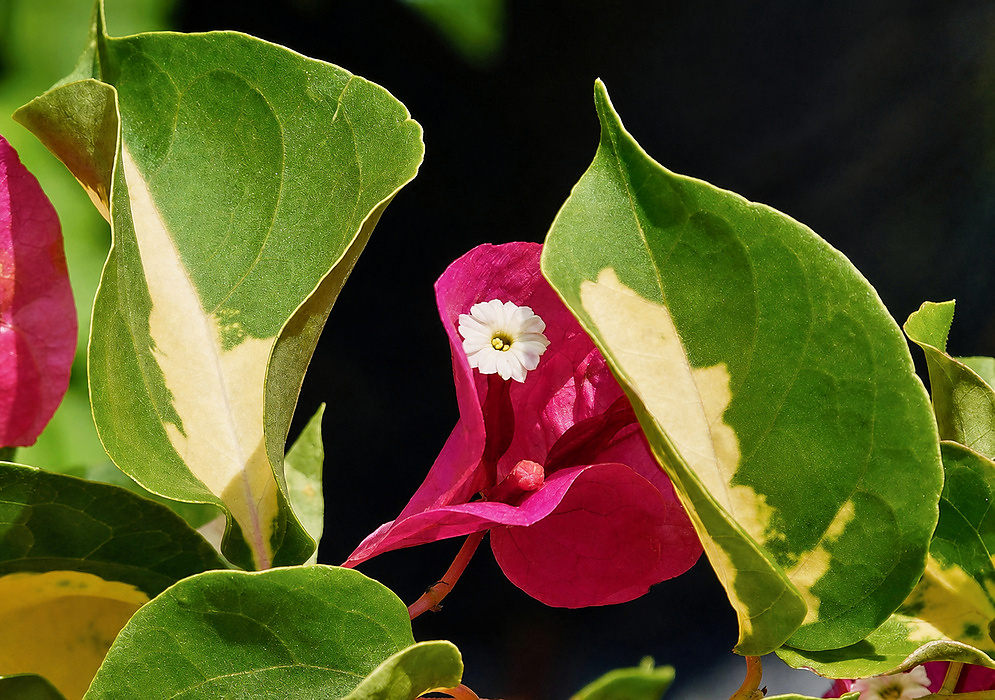
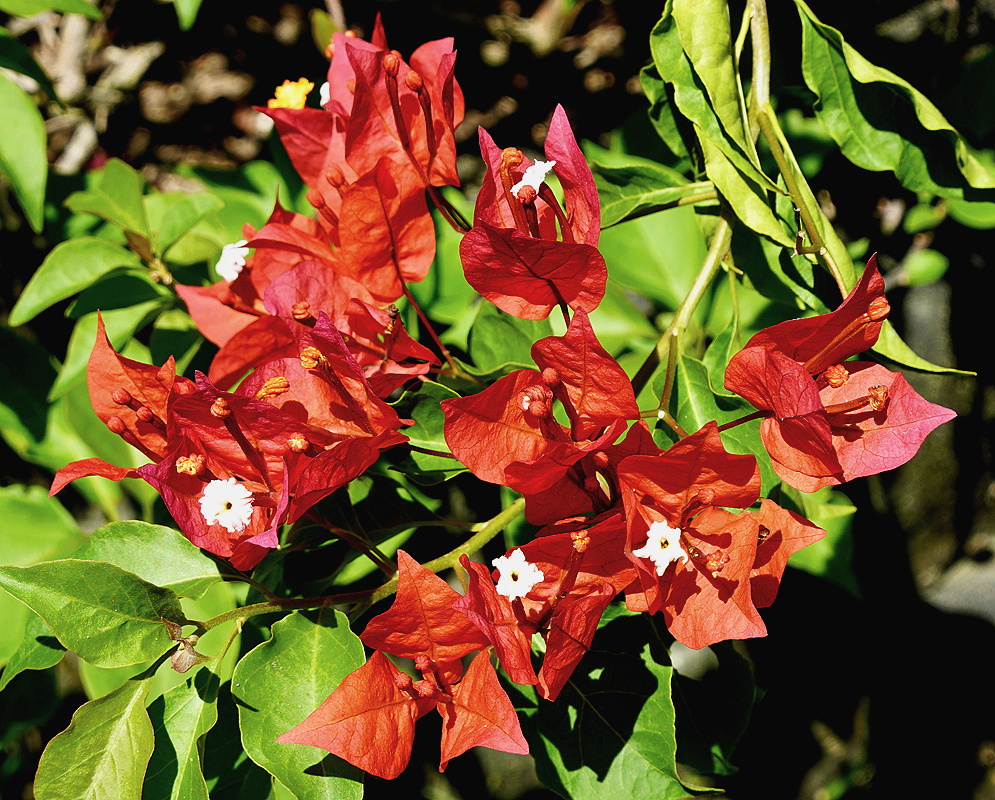
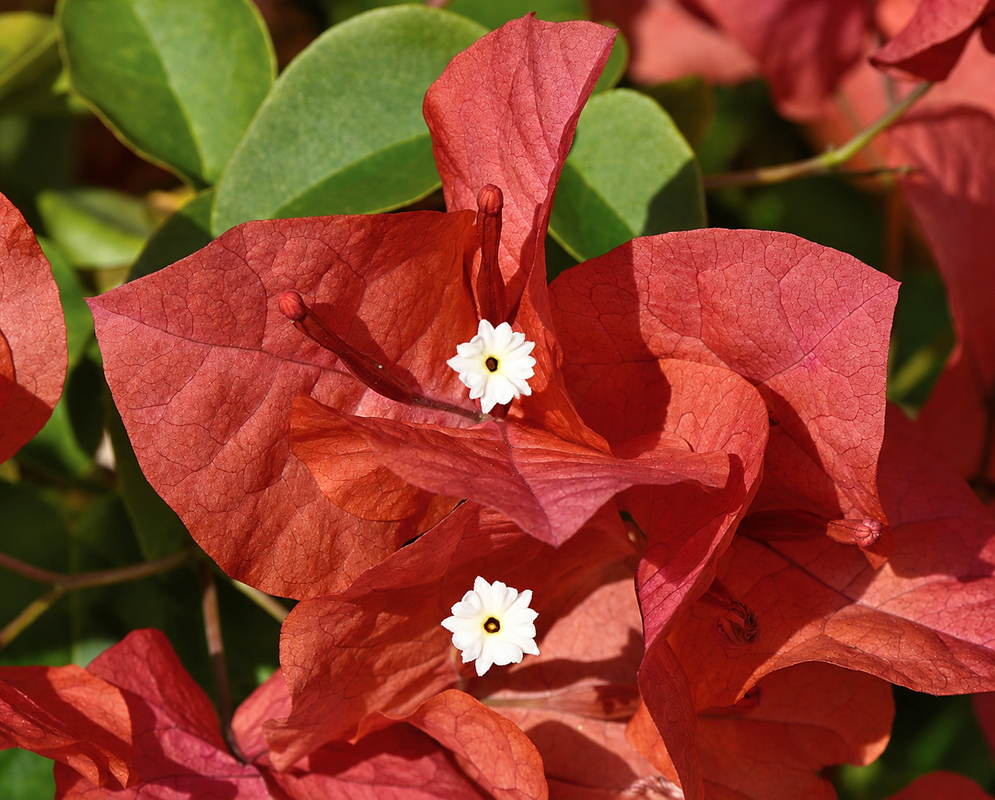
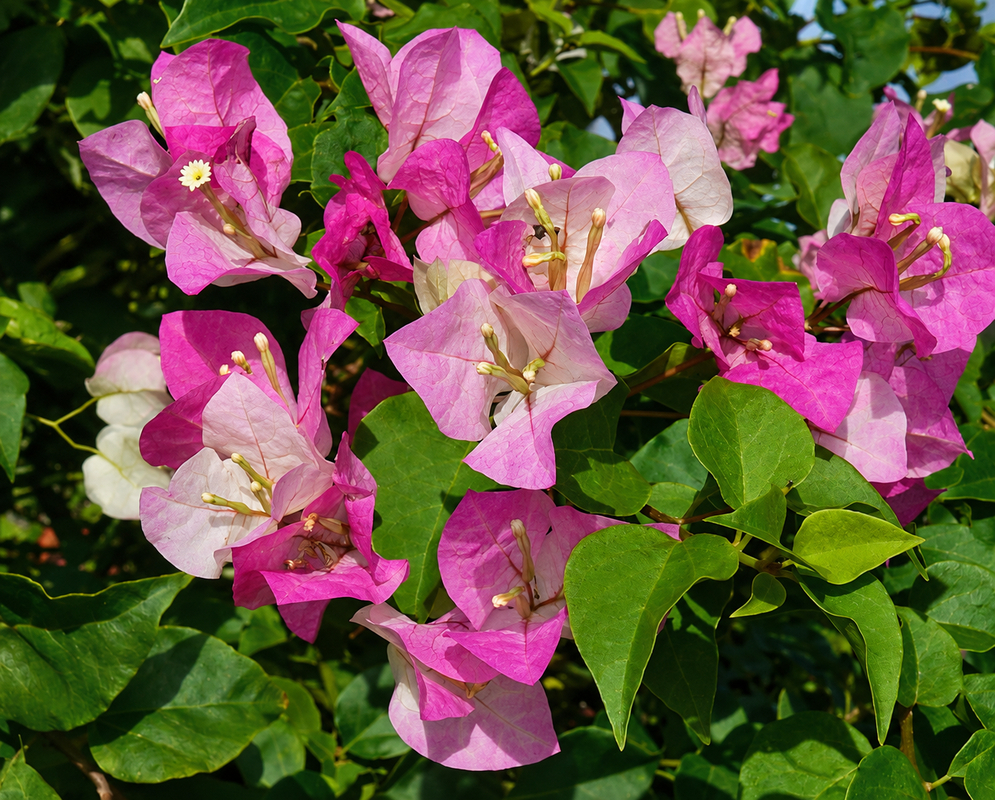
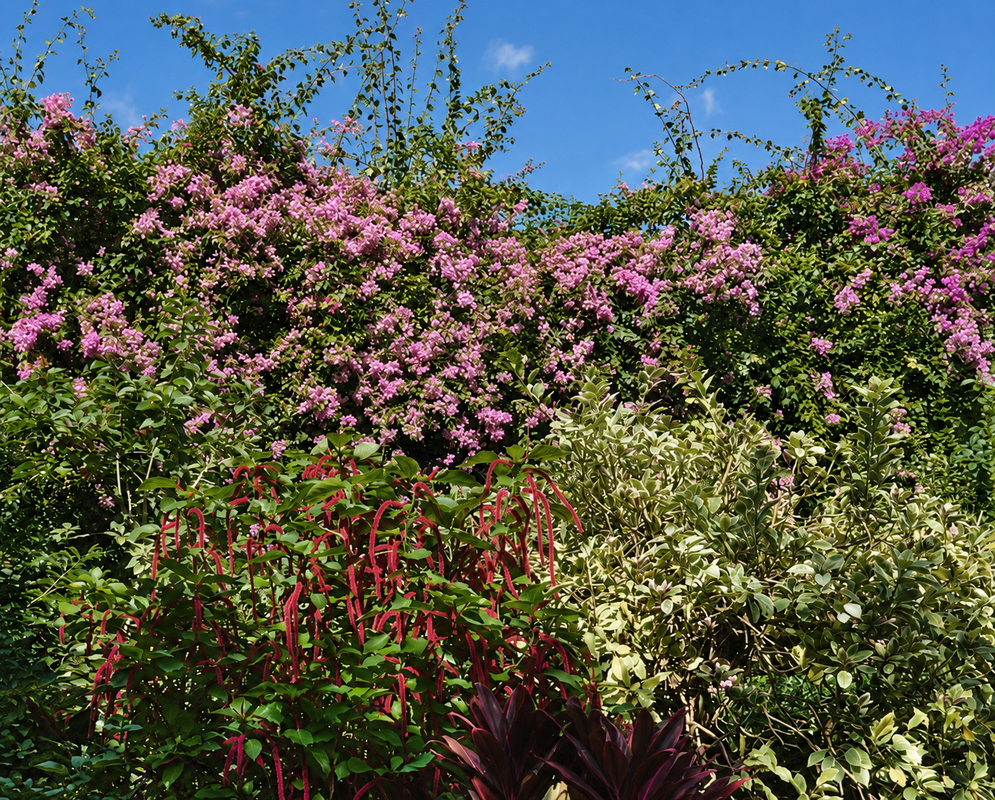
Native to eastern and southern Brazil, great bougainvillea is a perennial woody climber that scrambles over supporting vegetation using curved thorns. Its conspicuous color comes from papery bracts surrounding the much smaller tubular flowers. Young shoots and leaves are softly hairy, and the flower tubes are rounded. The species has contributed to the breeding of many garden bougainvilleas. Crosses involving it and other species have produced plants with white, yellow, orange, pink, red and purple bracts, including forms with variegated foliage. It is widely cultivated in the United States, Mediterranean Europe and other warm regions.
The leaves have a history of use in herbal remedies for diabetes and contain D-pinitol, a compound investigated for effects on glucose metabolism. Leaf extracts from several cultivars have lowered blood glucose in experimentally diabetic rats, with results varying among cultivars; this does not establish a diabetes treatment for people. Bract pigments called betalains have also been tested as natural colorants and as light-absorbing dyes in experimental solar cells. Photographed in Colombia, Ecuador, Panama, and Peru.