

Bixa orellana (Lipstick Tree)
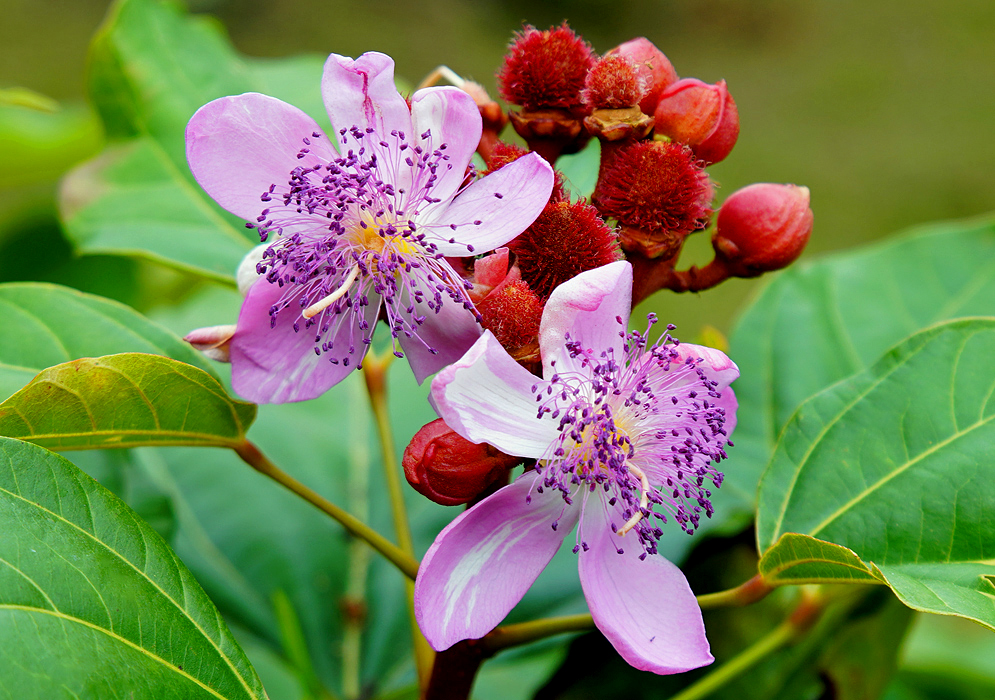
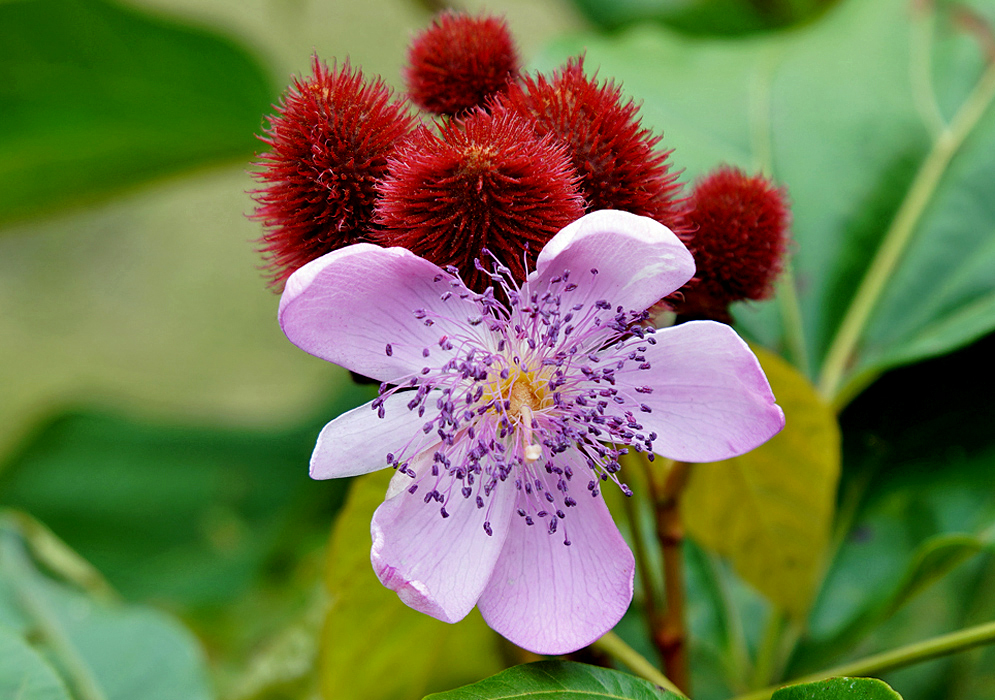
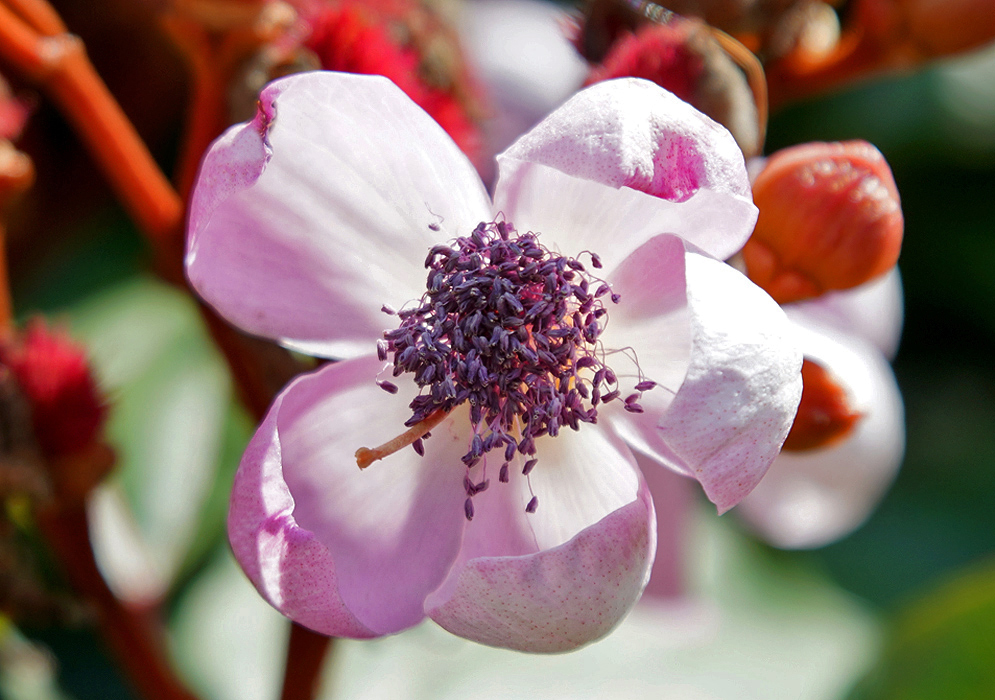
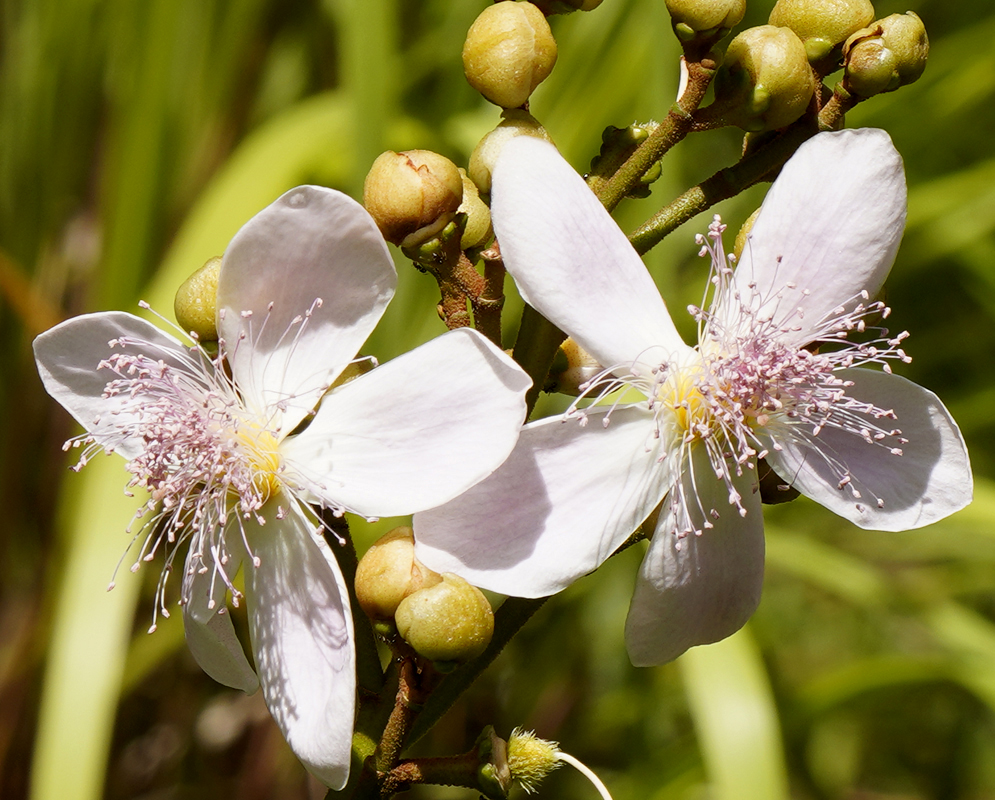
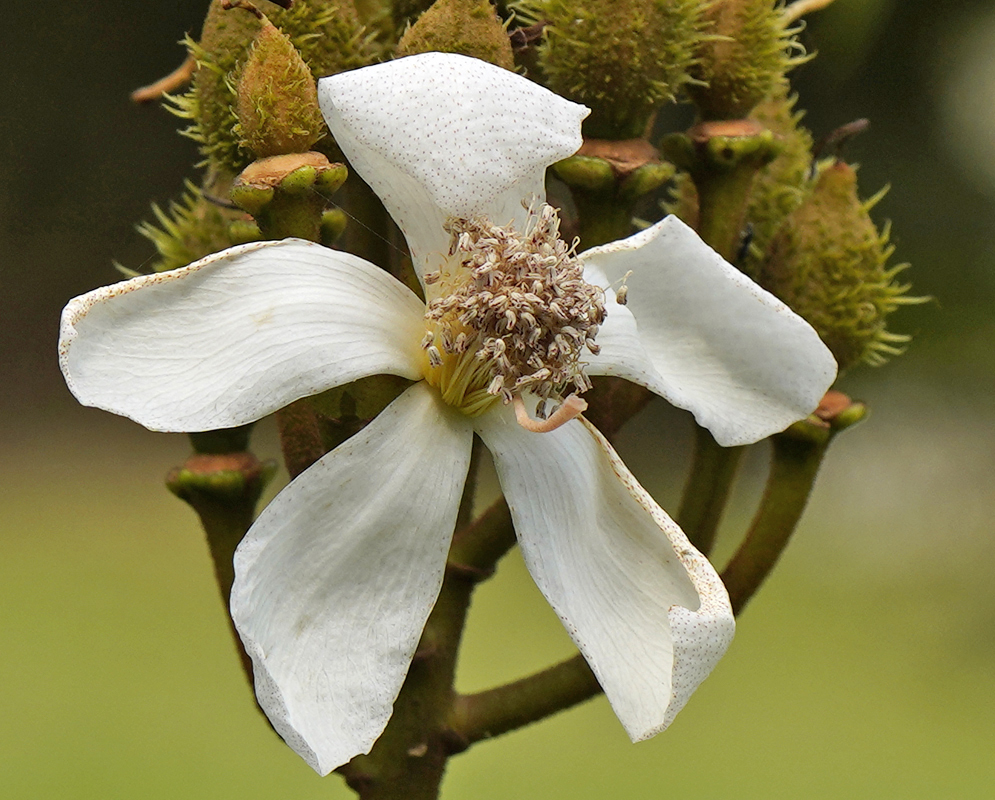
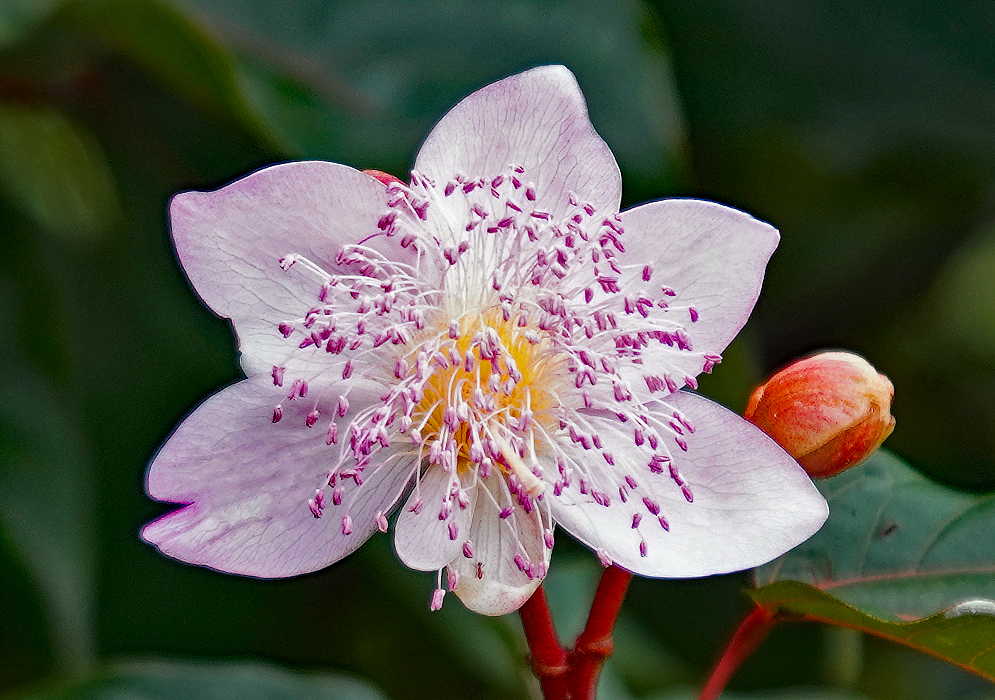
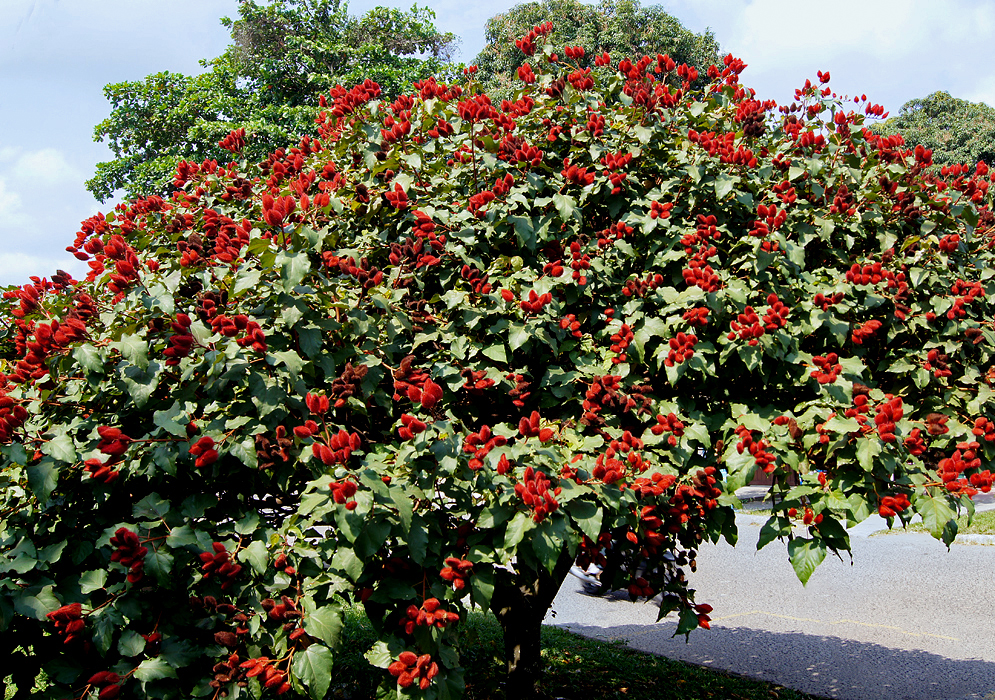
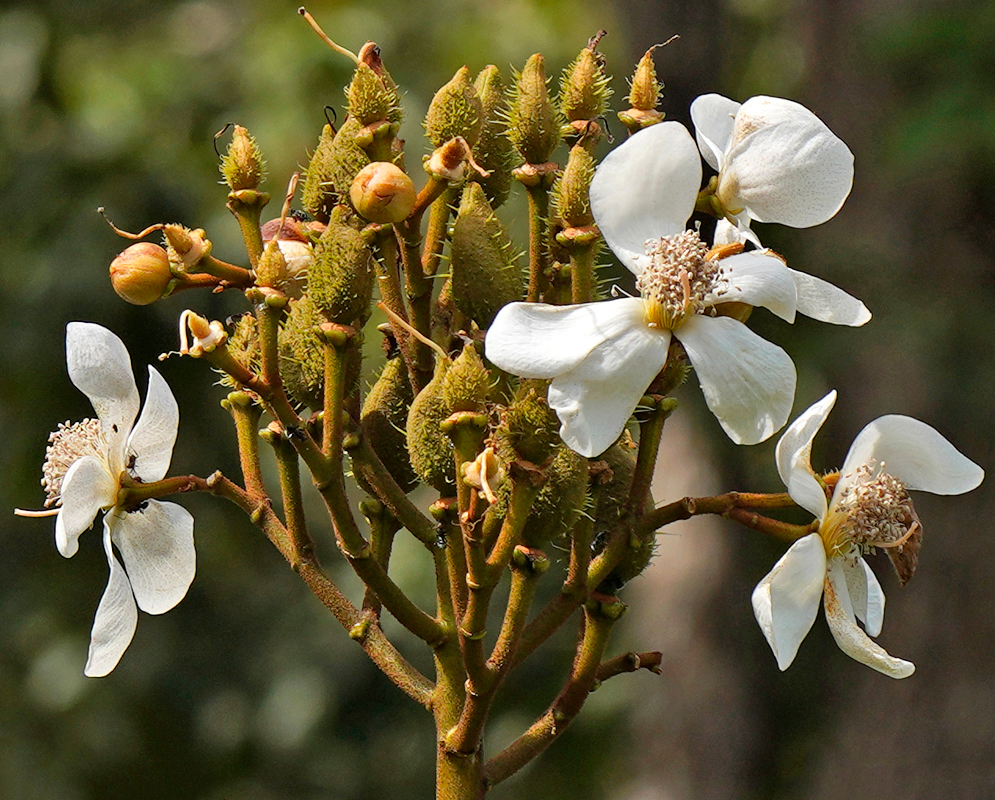
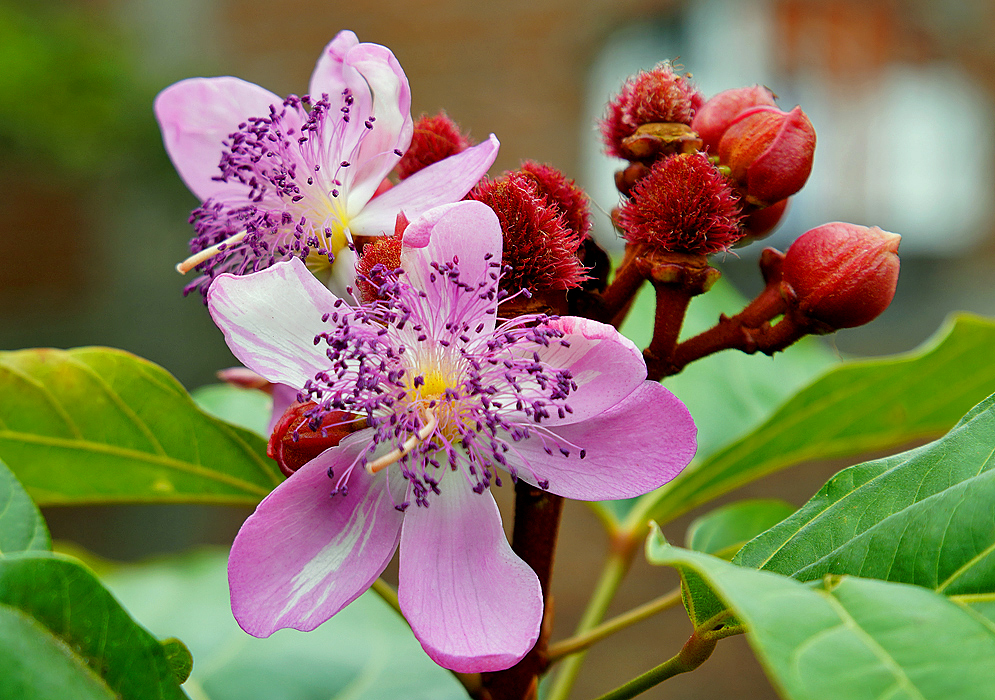
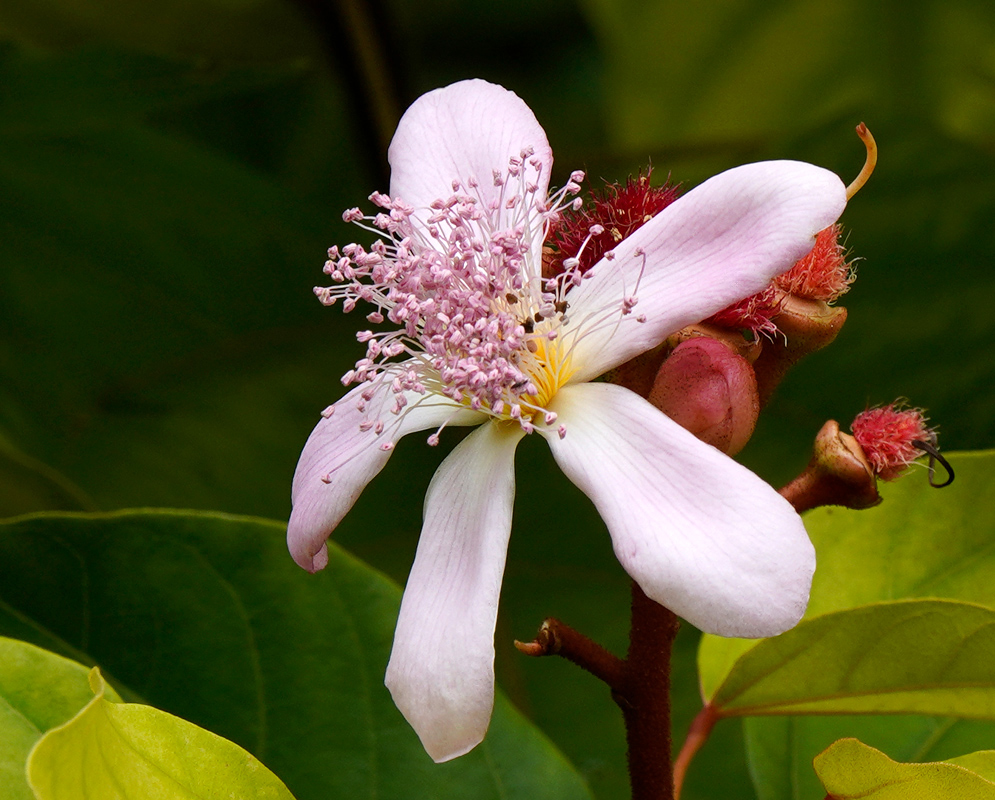
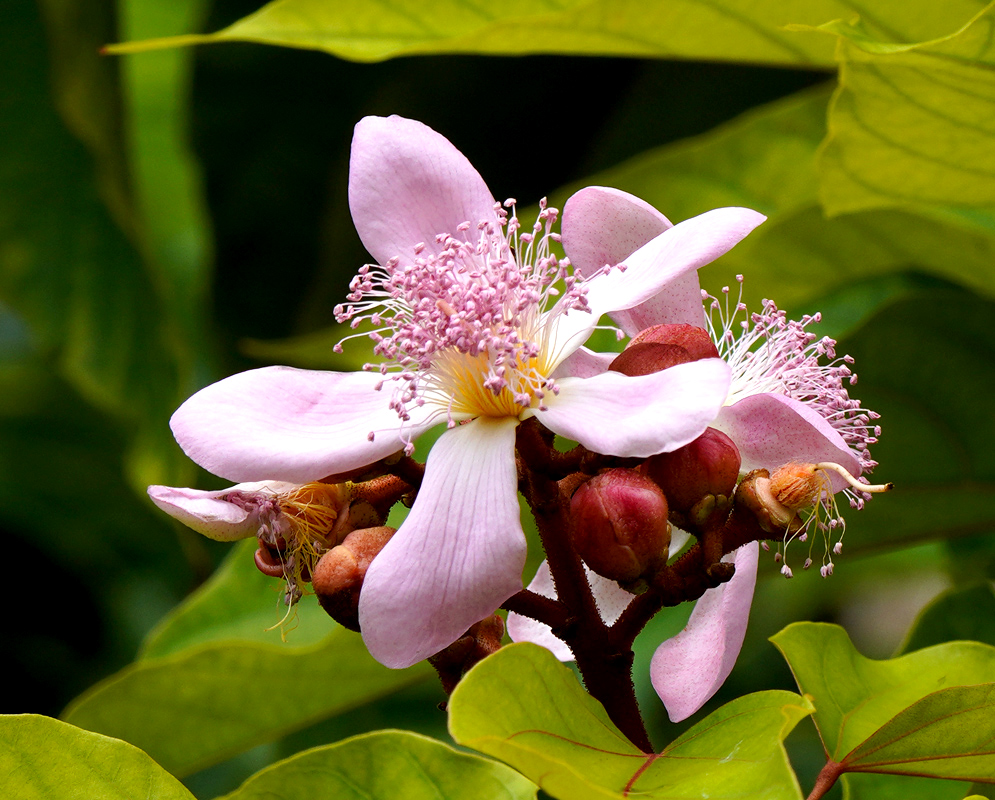
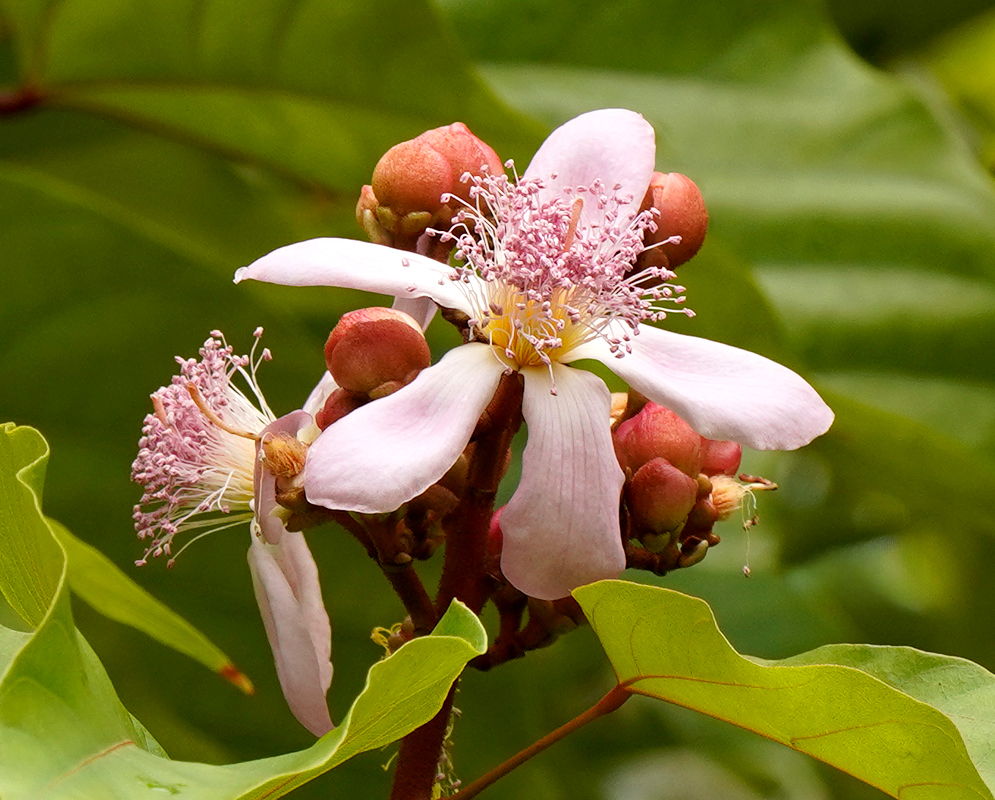
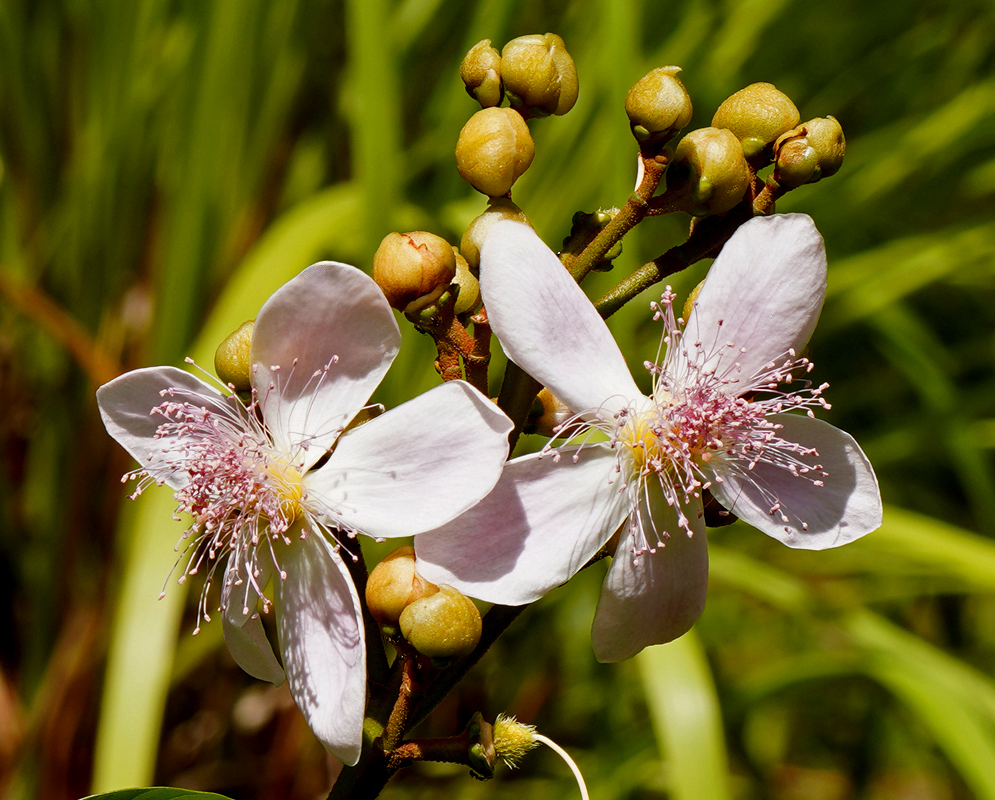
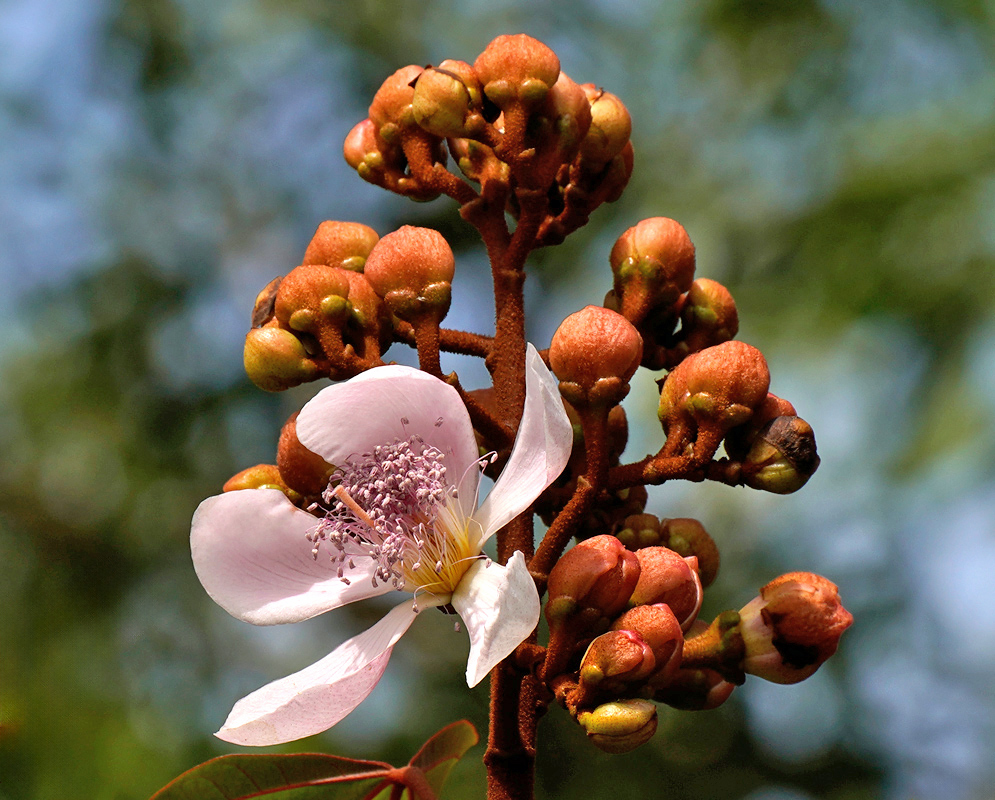
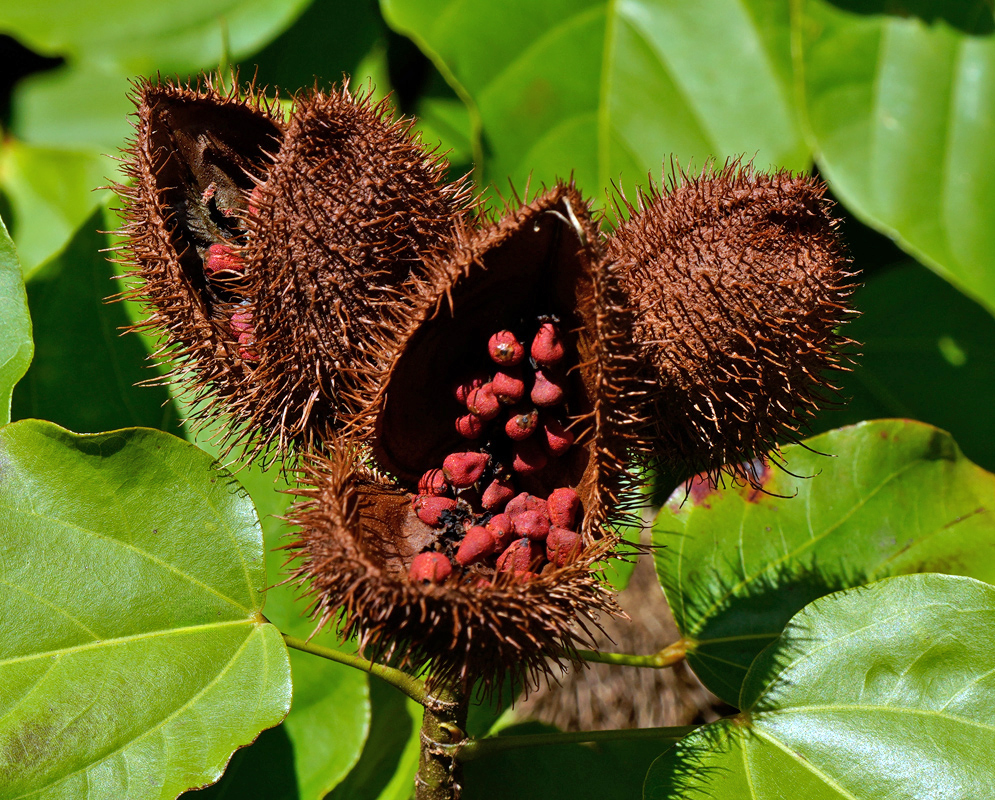
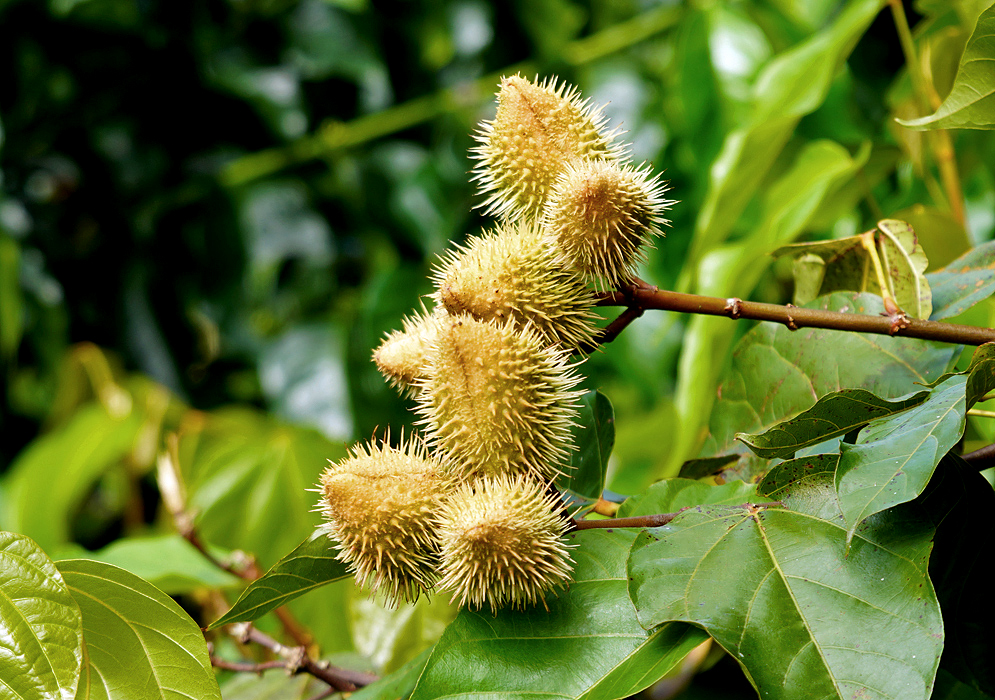
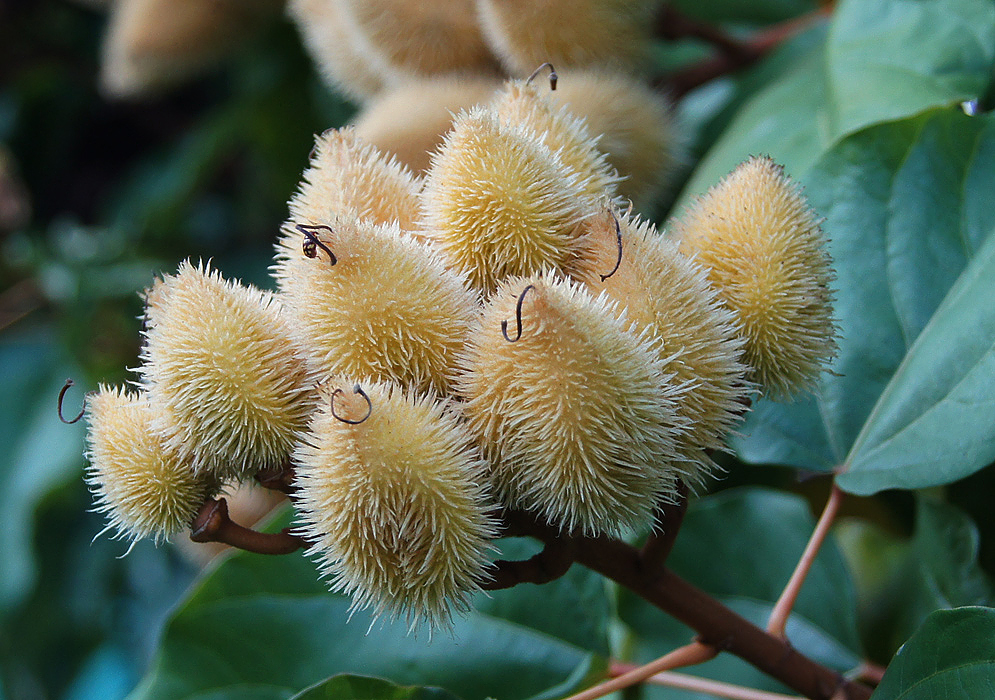
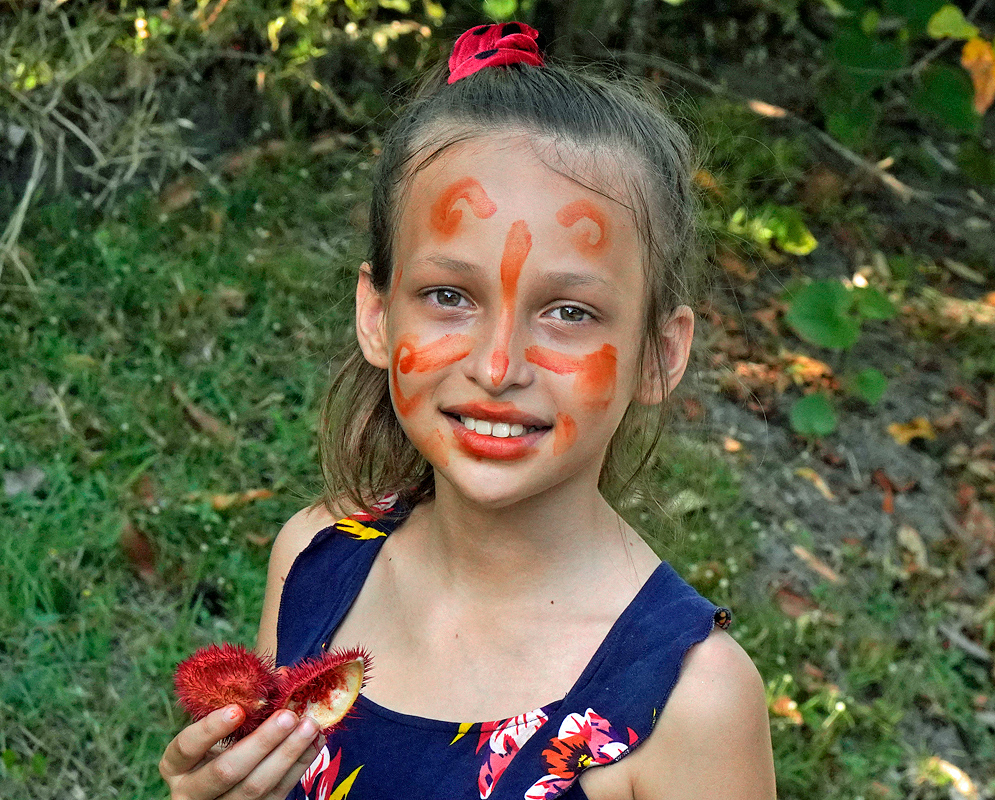
Native from Mexico through Central America into tropical South America, lipstick tree is a shrub cultivated across the tropics for annatto. Pink or white flowers are followed by bristly capsules containing seeds with an orange-red pigment coating. Indigenous peoples use this pigment for body and ceremonial painting; the Tsa’chi of Ecuador also use it to color their hair. Its use on the lips explains the English common name. Annatto colors cheeses, butter, rice and other foods, while achiote pastes are important seasonings in Latin American cooking. The seeds impart a mild flavor and aroma sometimes compared with paprika.
The principal pigment, bixin, is soluble in fats. Processing produces norbixin forms suitable for water-based foods, allowing the same crop to supply different industrial colorants. Annatto also colors cosmetics, and commercial sources include Peru, Brazil and Kenya. In Ecuadorian traditional medicine, leaf preparations are used for muscle pain and skin inflammation, and the plant has also been used for prostate complaints. A year-long randomized trial of a leaf preparation in men with symptoms of an enlarged prostate found no advantage over placebo. Photographed in the Magdalena River Valley, Colombia and Panama.