

Azara serrata
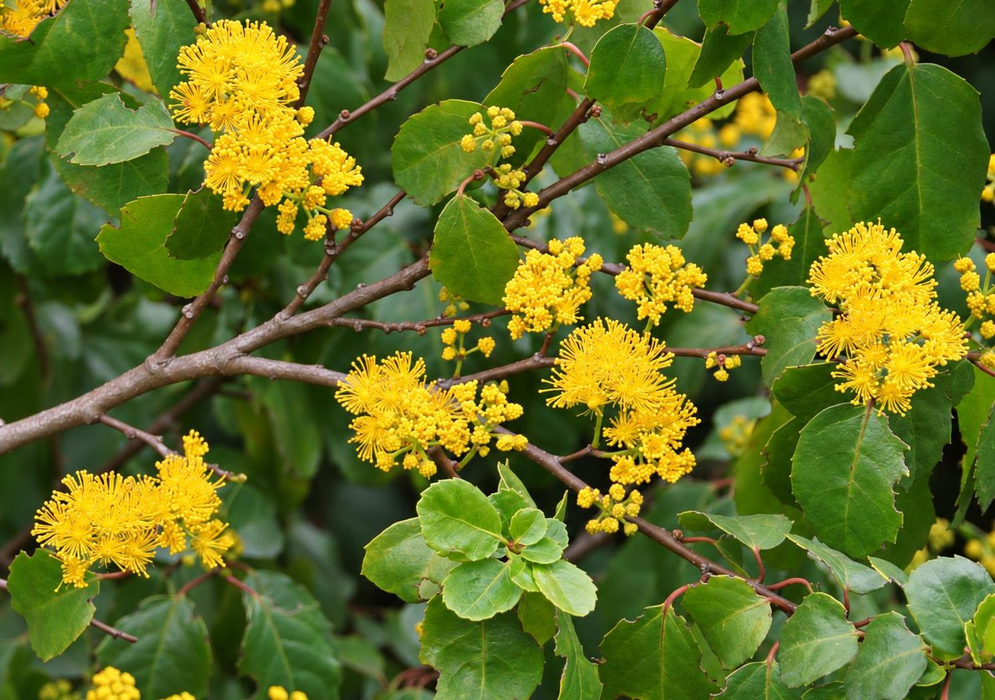
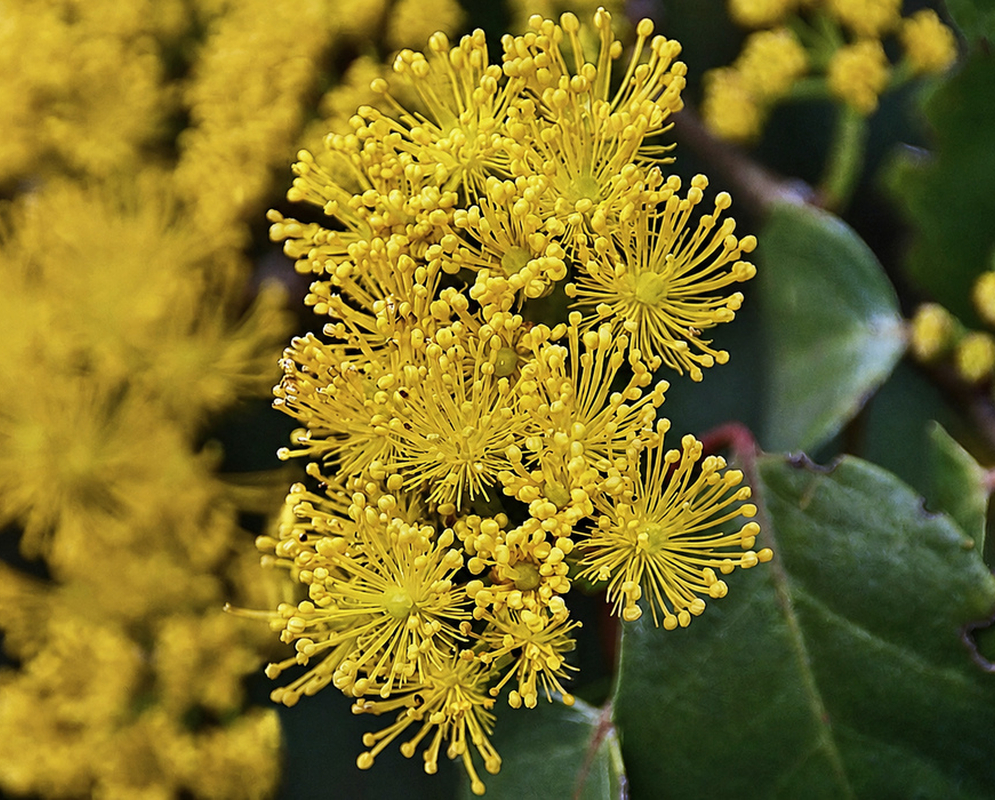
Native to central and southern Chile, including the Juan Fernández Islands, saw-toothed azara is an evergreen shrub of forest understories and moist ravines. Its fragrant flowers develop in clusters from the leaf axils. The flowers have no petals; numerous projecting golden-yellow stamens give each cluster its brushlike appearance. Their sweet fragrance has been compared with vanilla or chocolate. The species is grown ornamentally in Britain, Ireland and other temperate regions, and received the Royal Horticultural Society’s Award of Merit in 1957.
Its berries contain anthocyanins and other phenolic compounds. In laboratory enzyme tests, a methanolic berry extract inhibited alpha-amylase, which breaks down starch, and acetylcholinesterase, which breaks down the nerve messenger acetylcholine. These enzymes are investigated as targets in diabetes and Alzheimer’s drug research. Photographed in Bogotá, Colombia.