

Albizia lebbeck (Siris Tree)
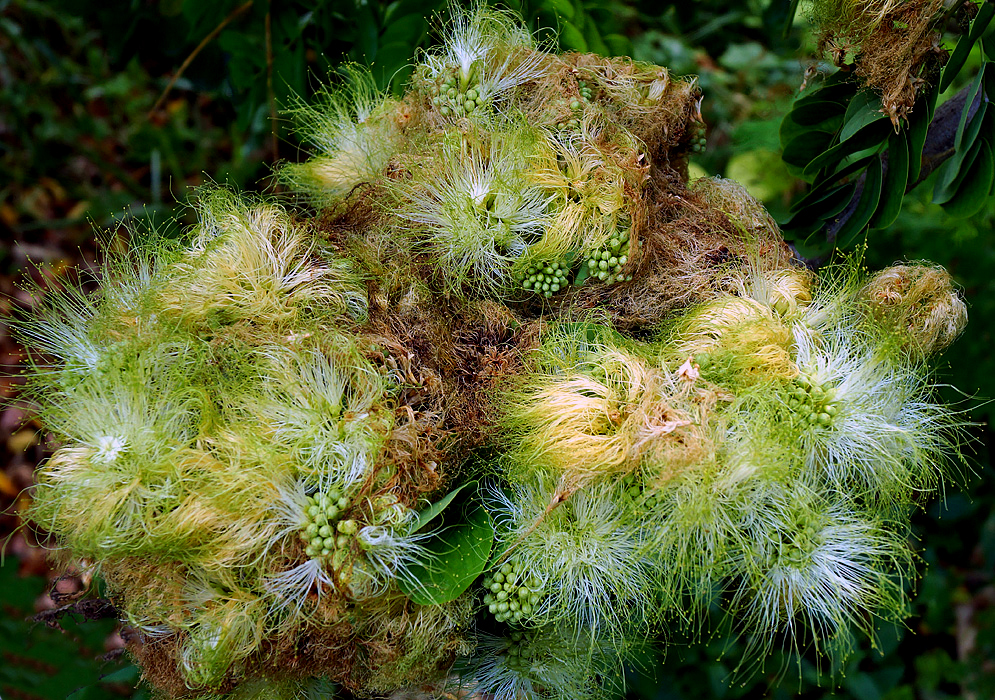
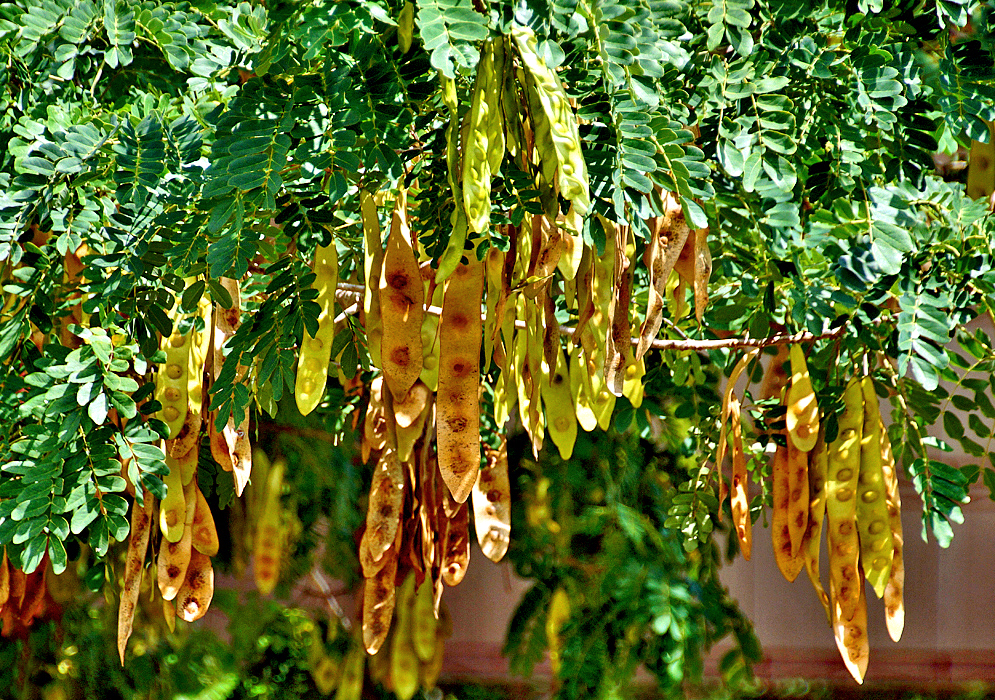
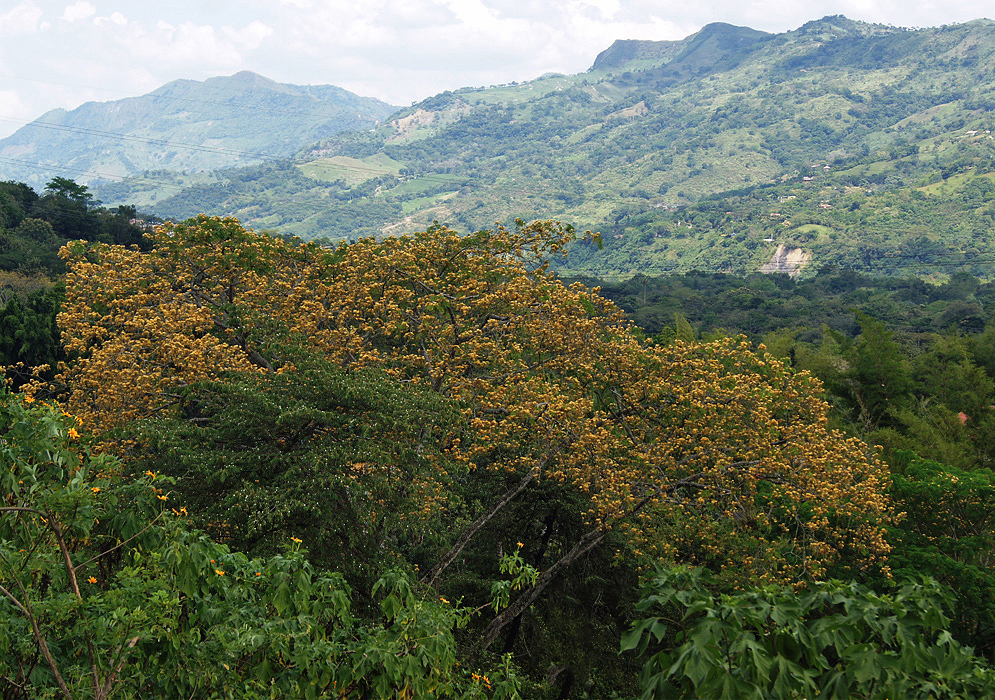
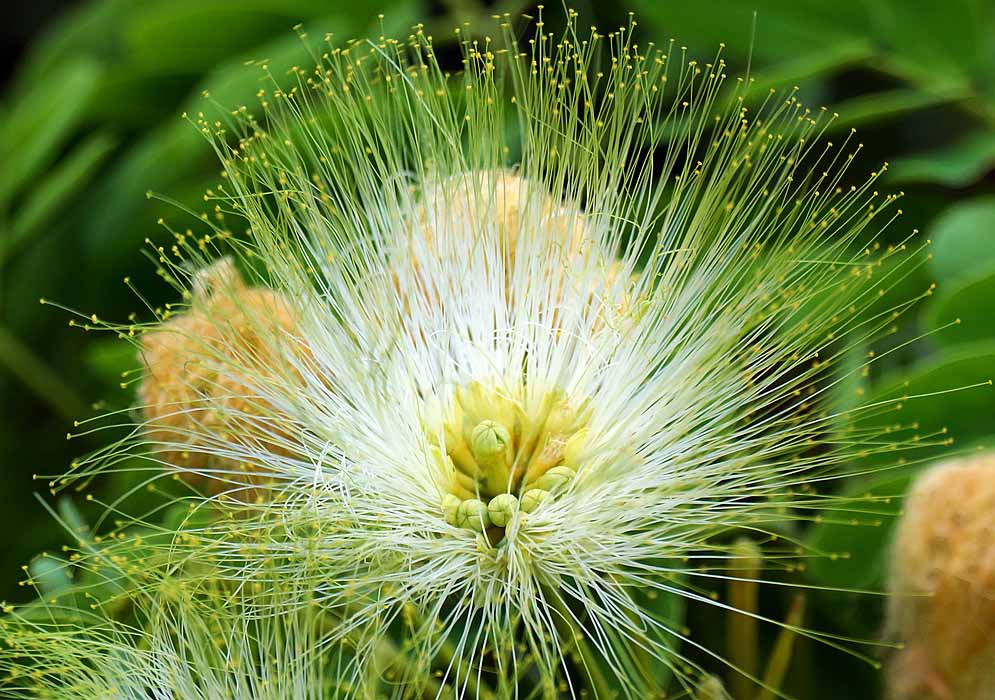
Native from the Indian subcontinent to Myanmar, this deciduous tree, commonly called siris, develops a spreading crown. Rounded flower heads have cream to yellowish-white stamens and a noticeable fragrance. Dry pods persist after leaf fall and rattle in the wind, giving rise to the name woman’s tongue. The tree is planted for shade and livestock fodder, and its wood is used for furniture, flooring, and interior paneling. Bark supplies tannin. It has been introduced widely across the tropics and is invasive in central and southern Florida, including tropical hammock forests and pine rocklands.
Its stem bark has a long-established place in Ayurvedic medicine, including traditional treatment of asthma and allergic complaints. Human research remains preliminary: a six-week Indian study reported improved symptoms and breathing measurements among fifty patients who completed treatment, but it had no control group and thirty-one participants withdrew. This limited study does not establish that bark preparations safely control asthma. Photographed in Colombia.