
Acacia mearnsii (Black Wattle)
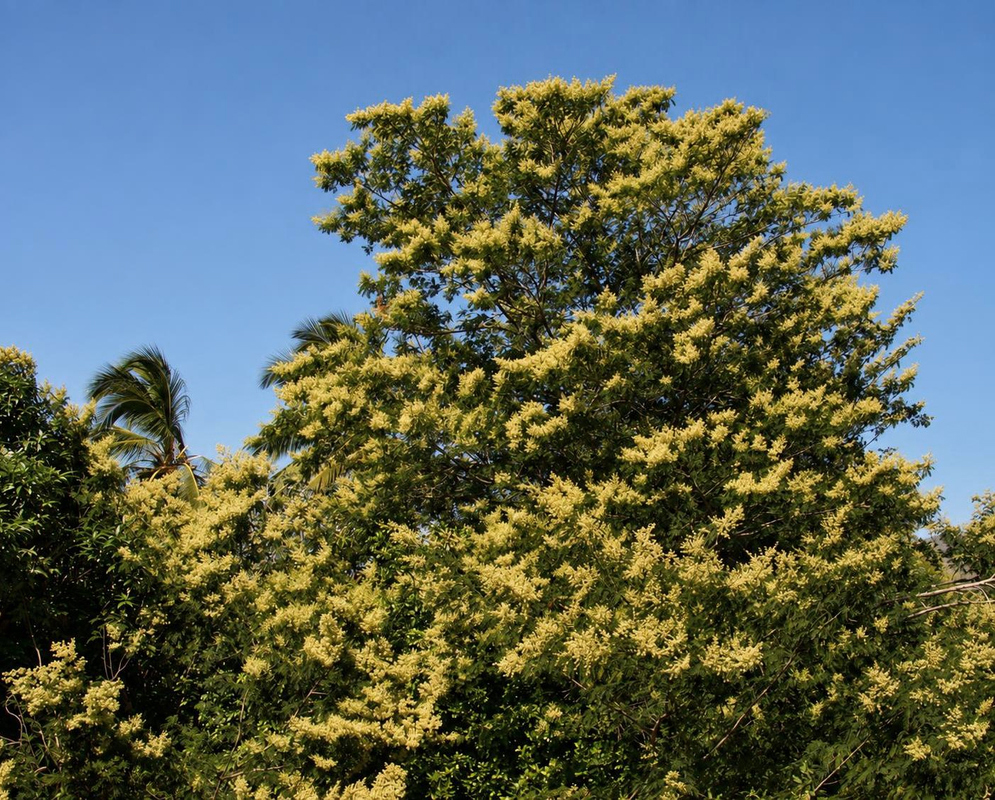
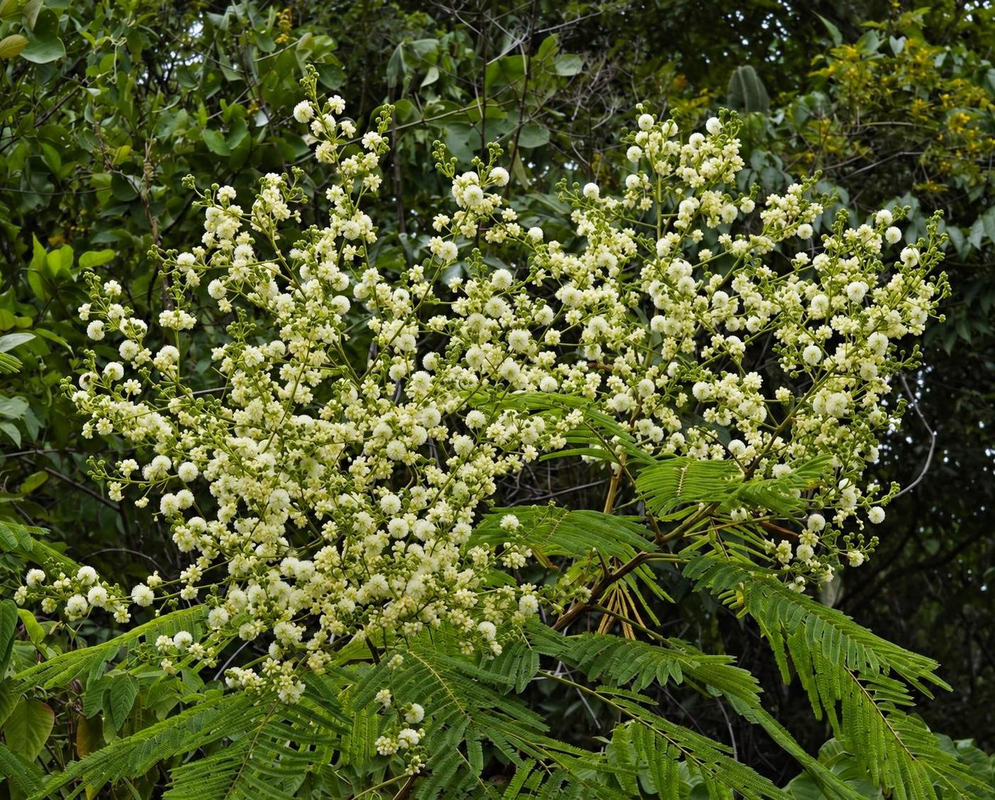
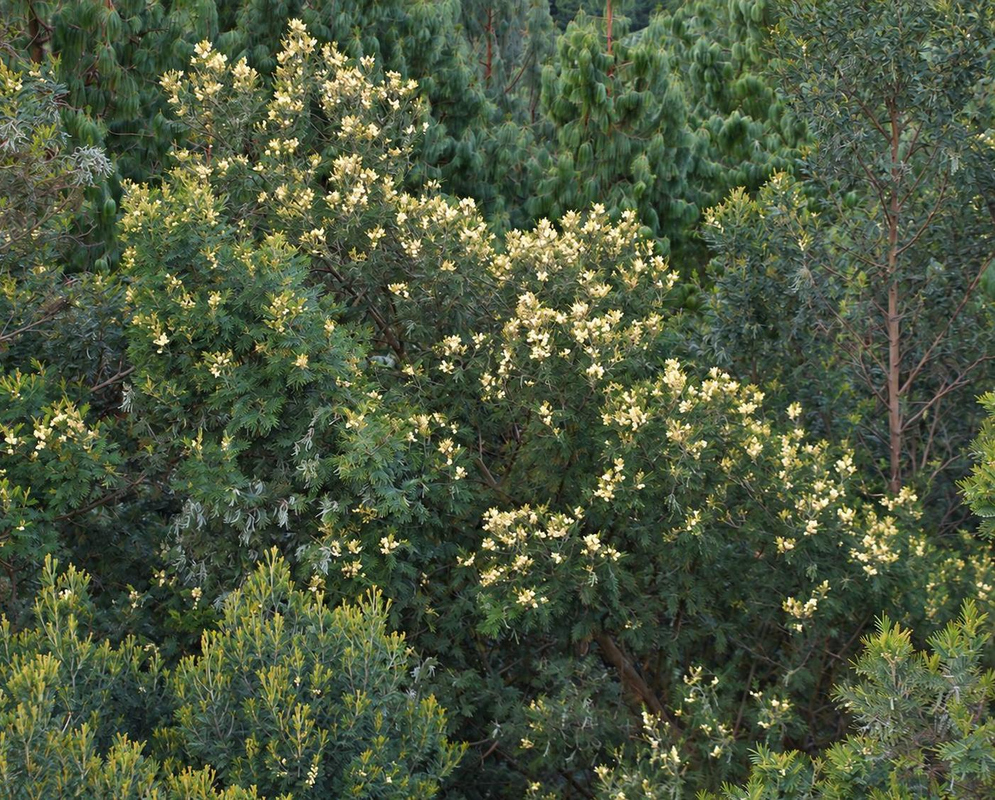
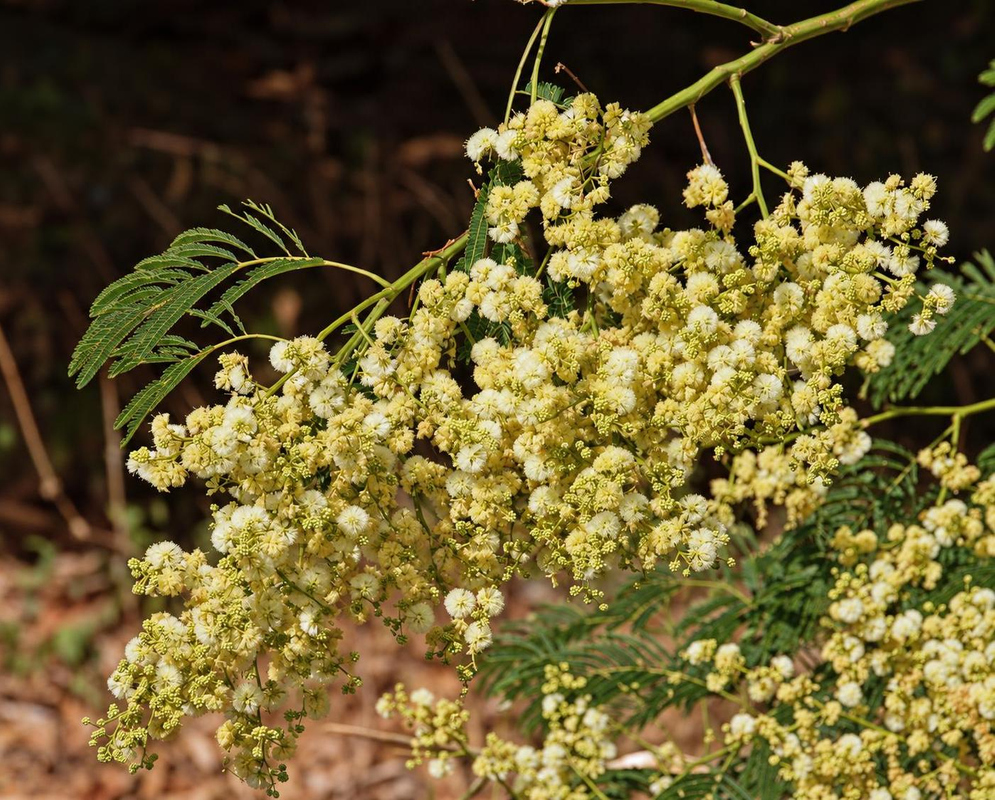
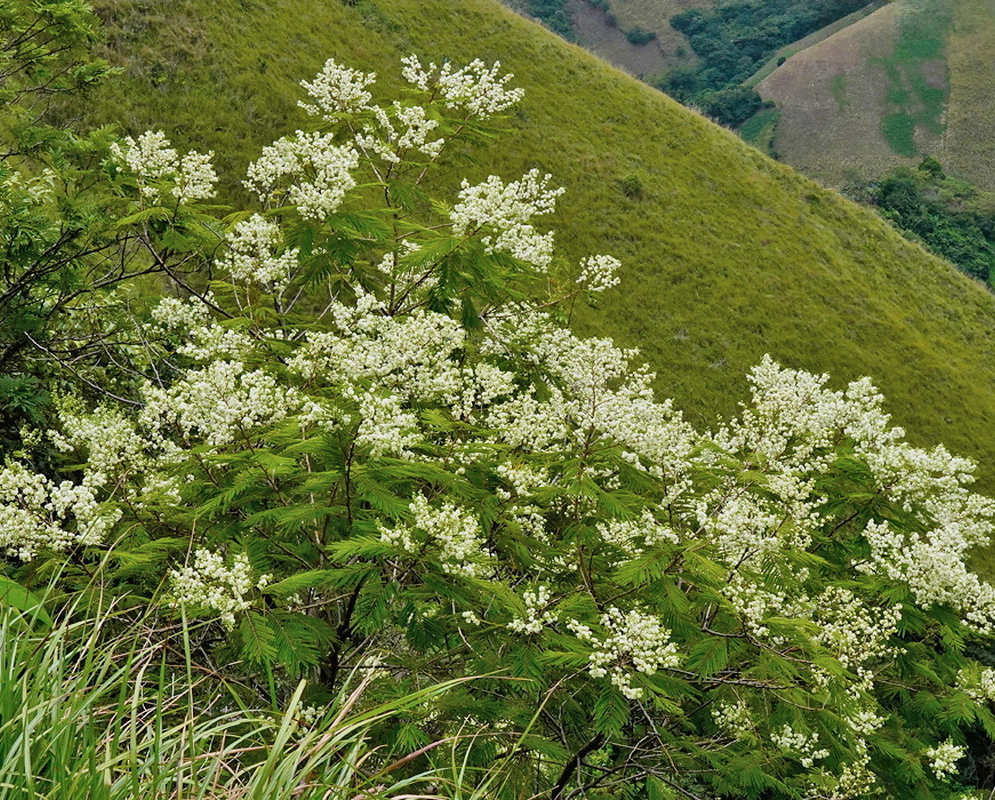
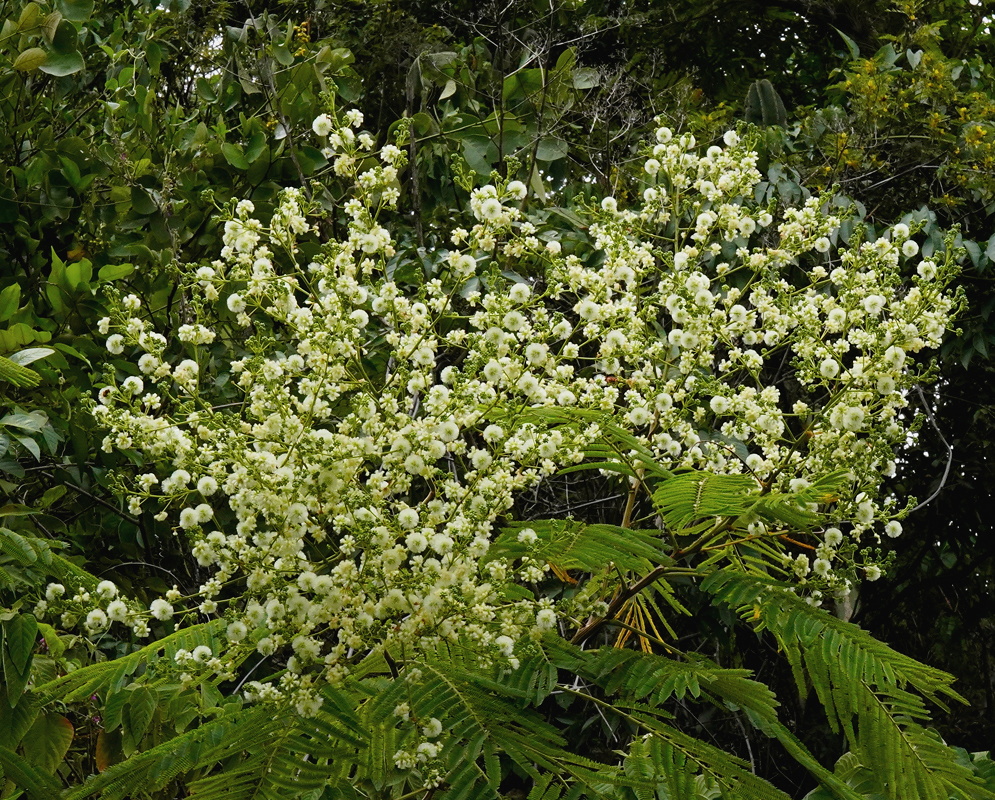
Native to southeastern Australia, black wattle is a fast-growing evergreen tree with finely divided foliage and fragrant pale yellow to cream flowerheads in broad sprays. Its tannin-rich bark supports commercial extraction industries in South Africa and Brazil. The extracts are used in leather tanning, adhesives for wood products and water-treatment coagulants, while the wood supplies paper pulp, poles, charcoal and fuel. Hard-coated seeds can survive for many years, with heat stimulating germination after fire. The species is invasive in South Africa, where dense stands spread through grasslands, forest gaps and watercourses.
Xhosa traditional medicine in South Africa uses the bark for stomachache. Separately, standardized bark-polyphenol supplements have undergone human testing for glucose metabolism. In an eight-week randomized, placebo-controlled trial of thirty-four adults with impaired glucose tolerance, the tested supplement reduced some glucose and insulin responses during glucose-tolerance testing. The experiment assessed short-term responses in people without diabetes and did not test prevention of diabetic complications. Photographed in the department of Magdalena, Colombia.