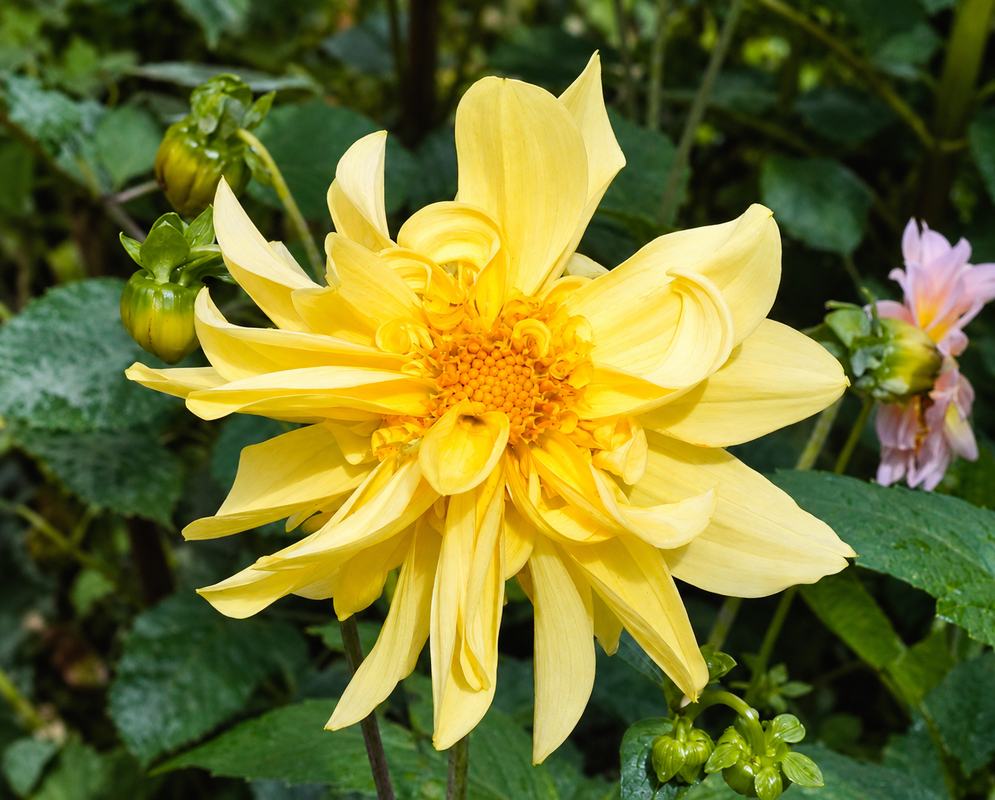

Dahlia pinnata
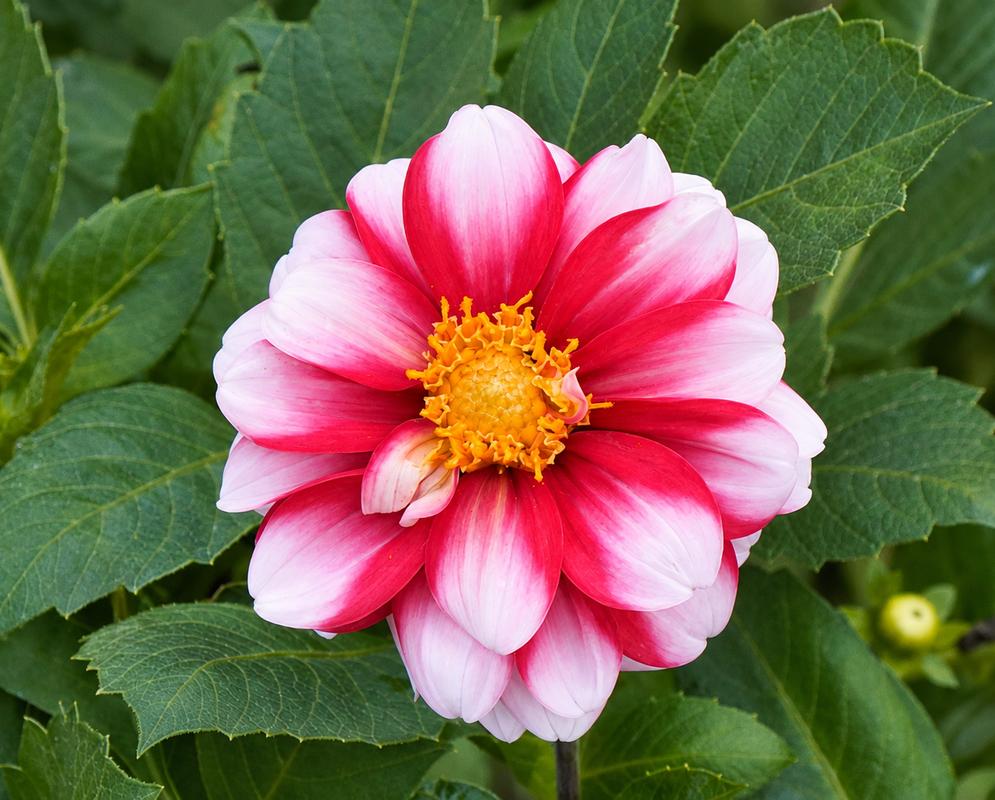
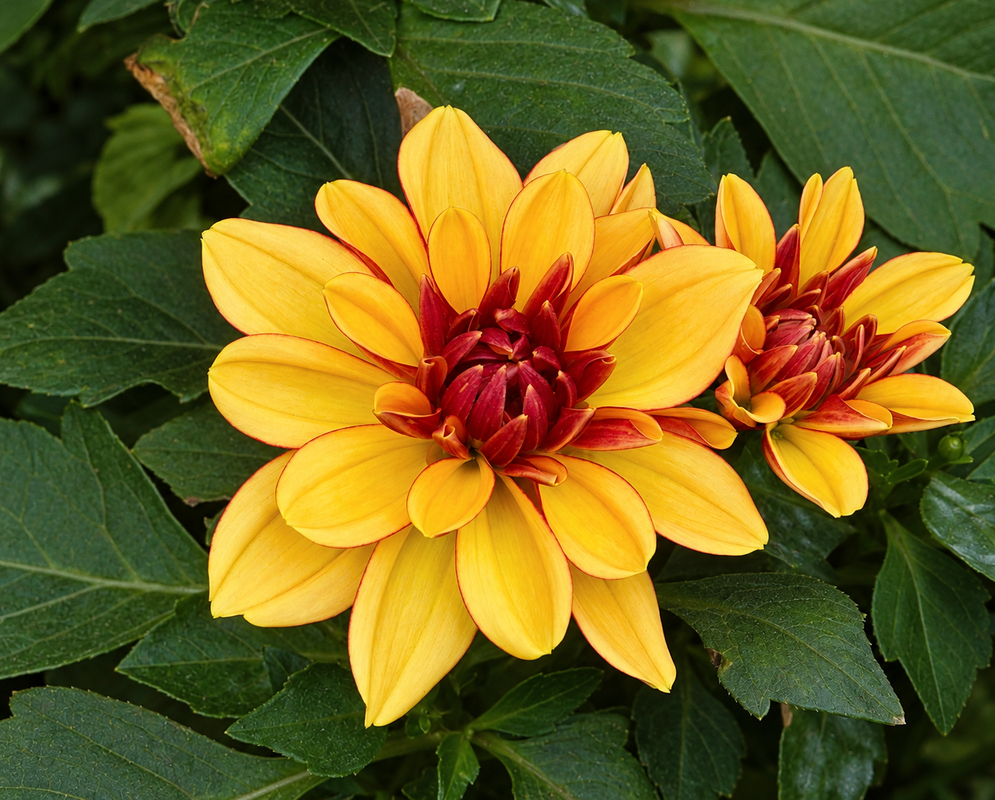
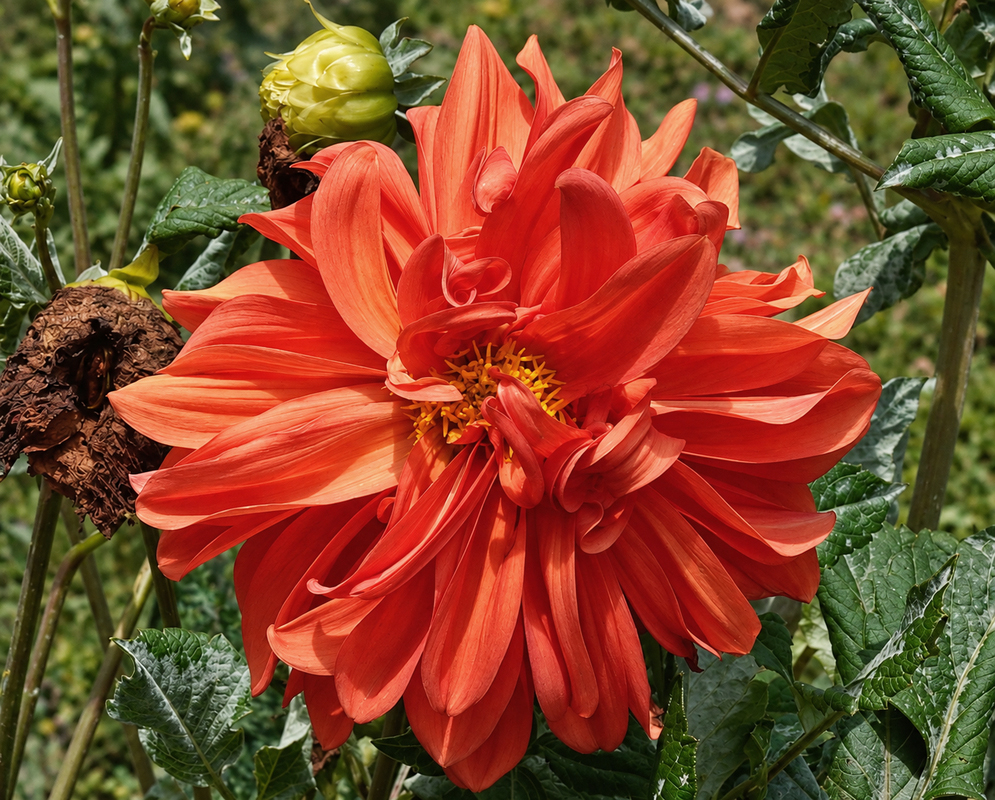
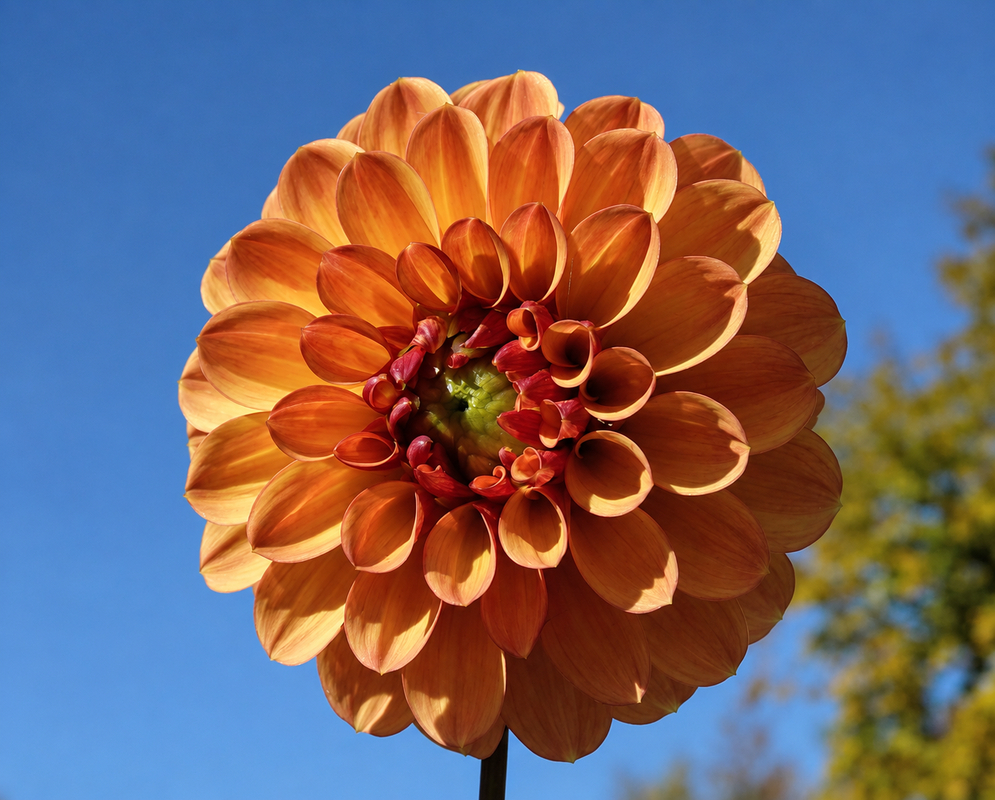
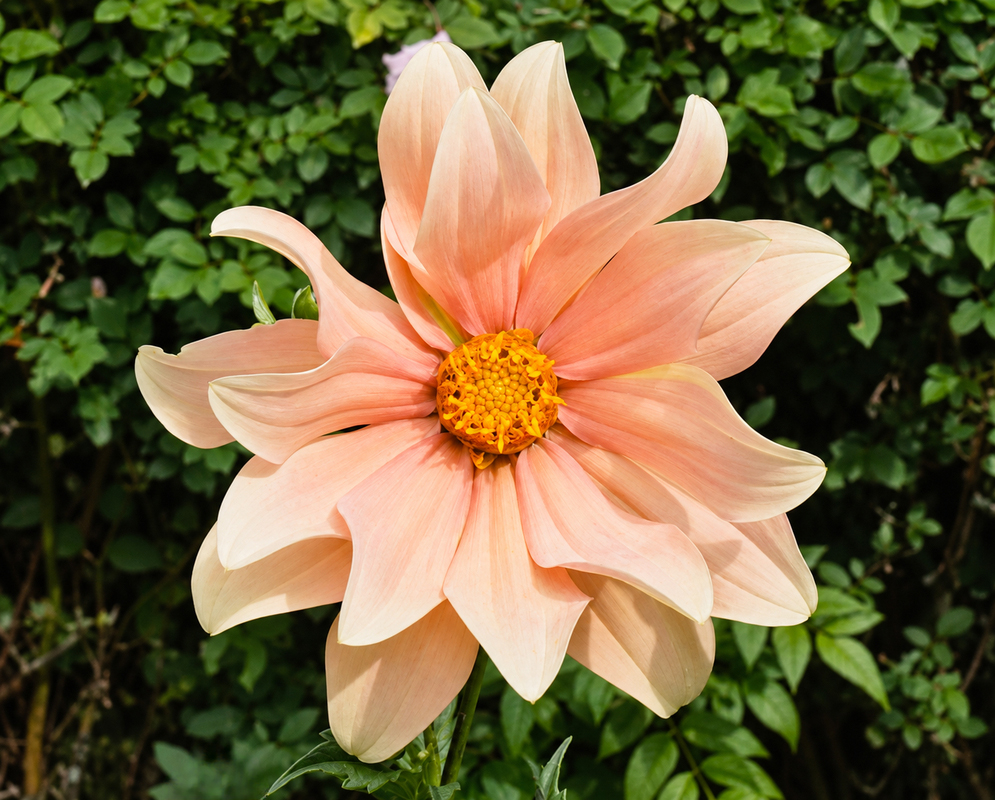
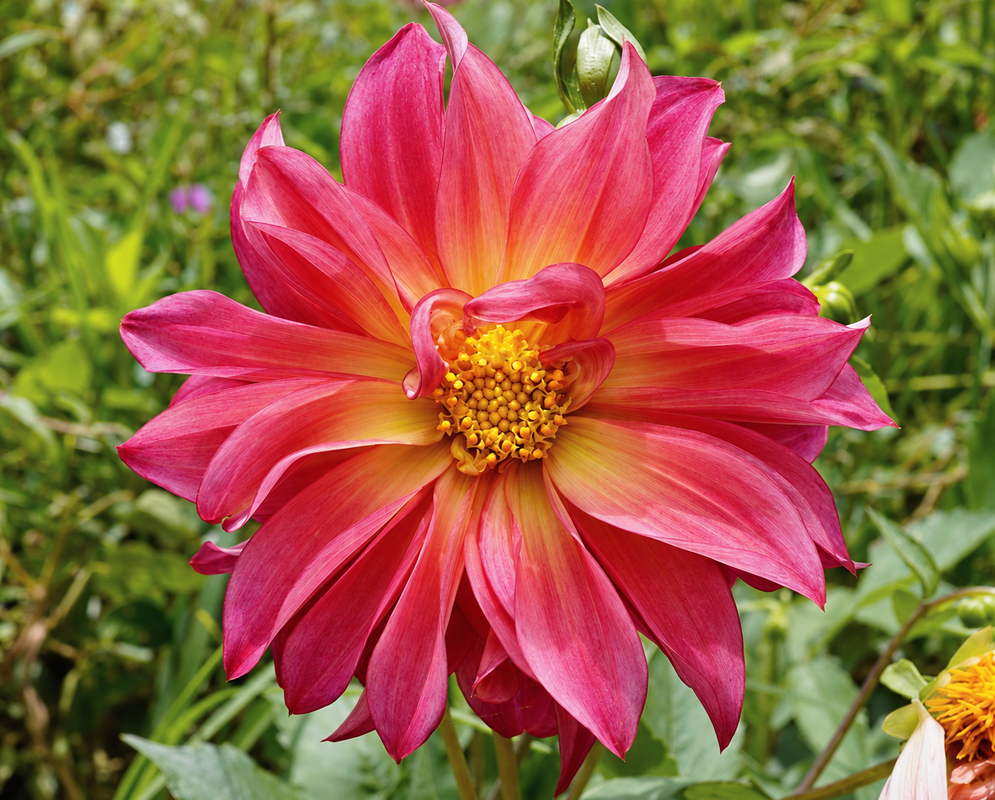
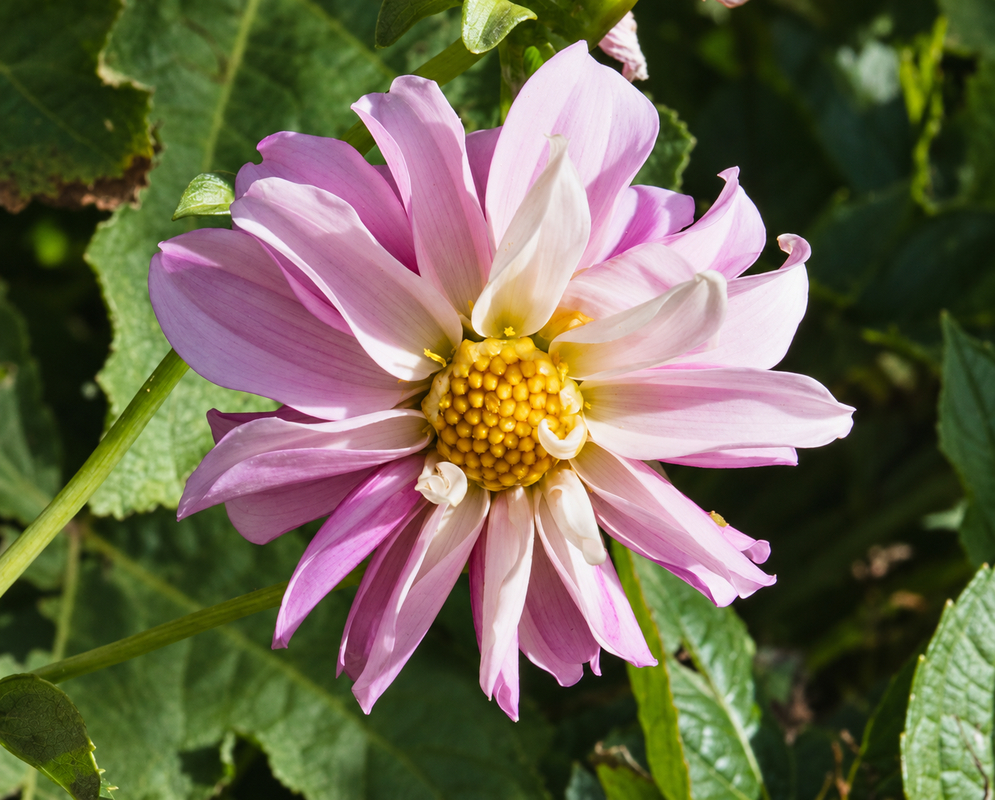
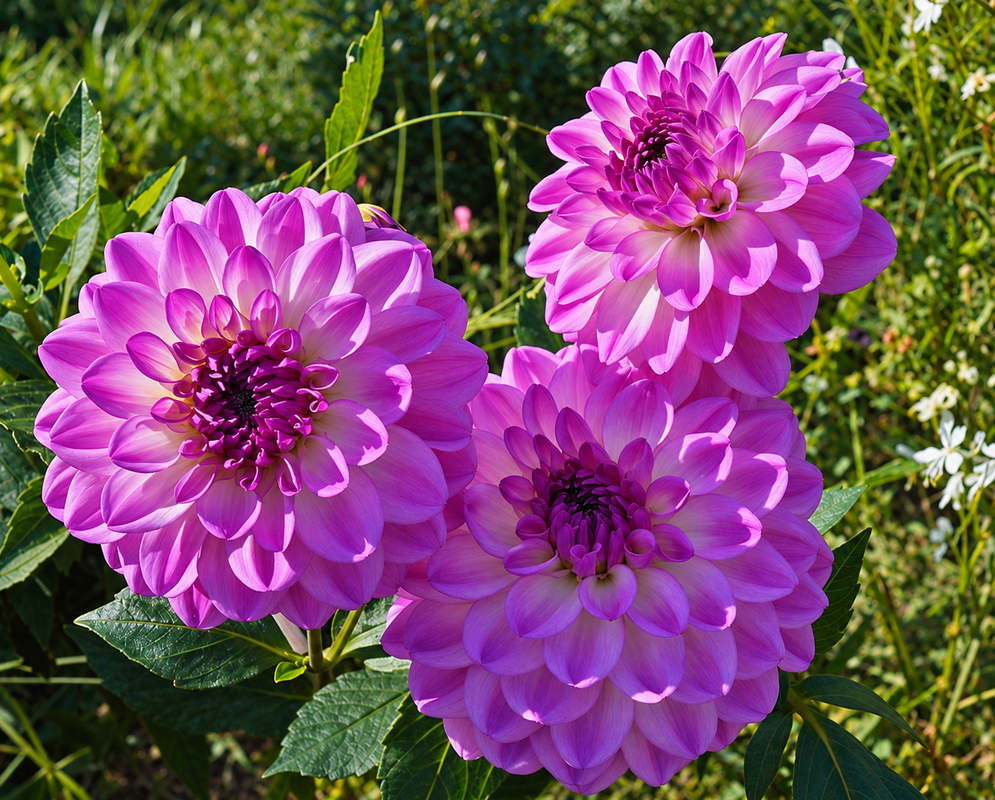
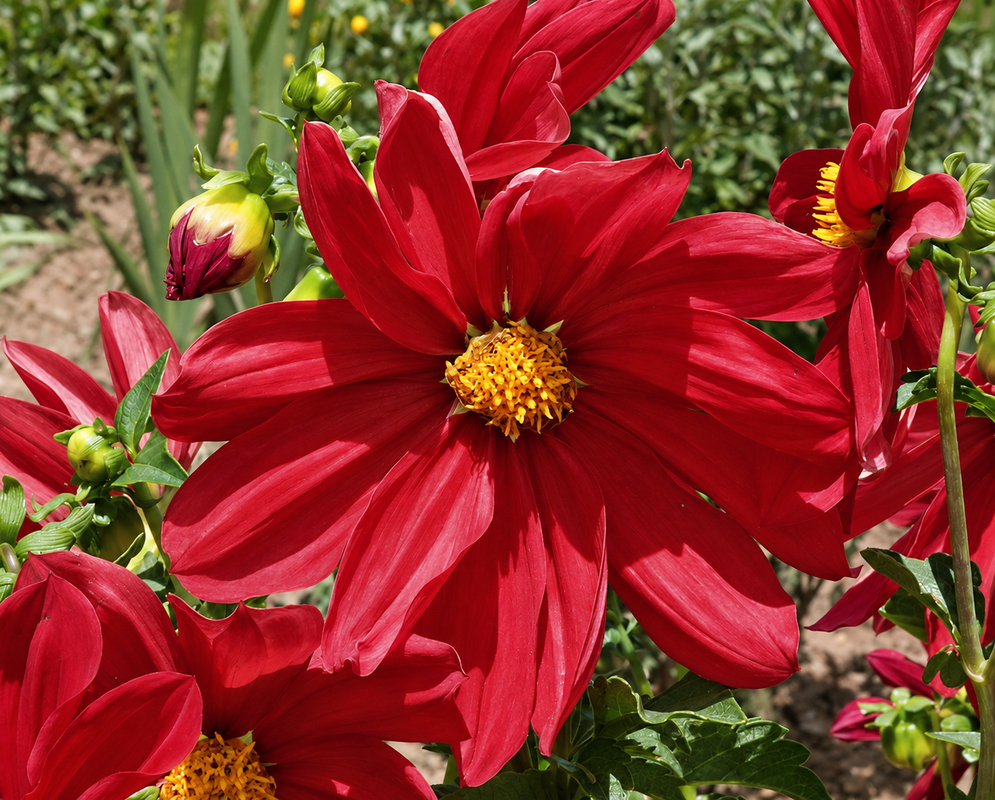
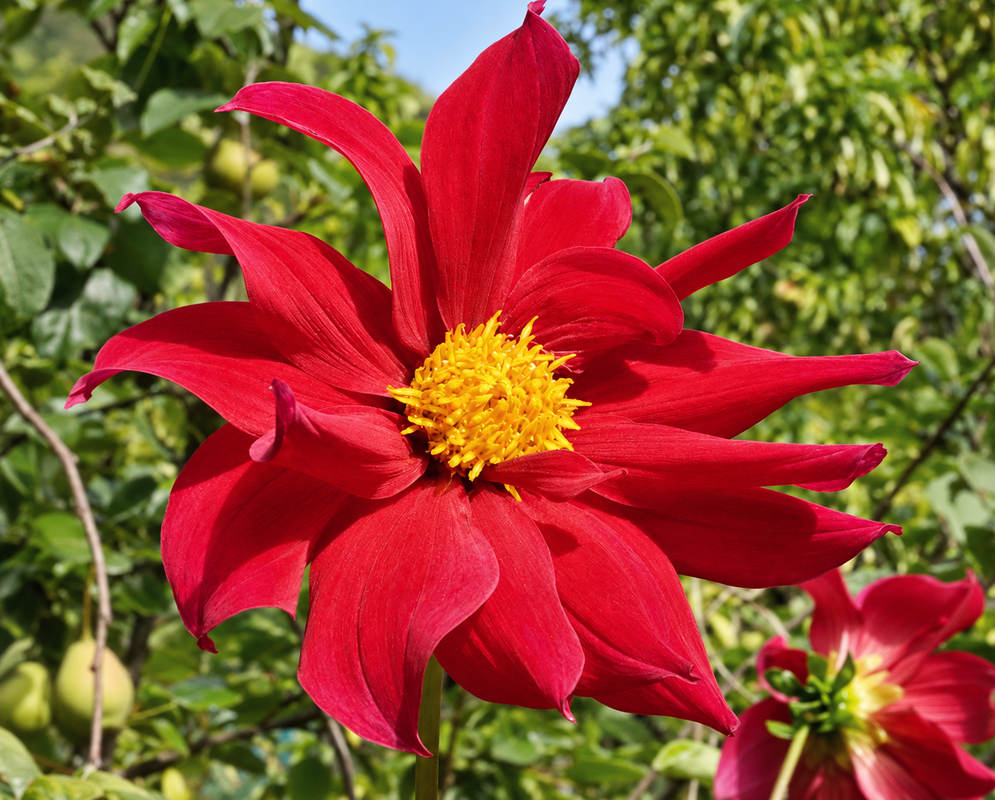
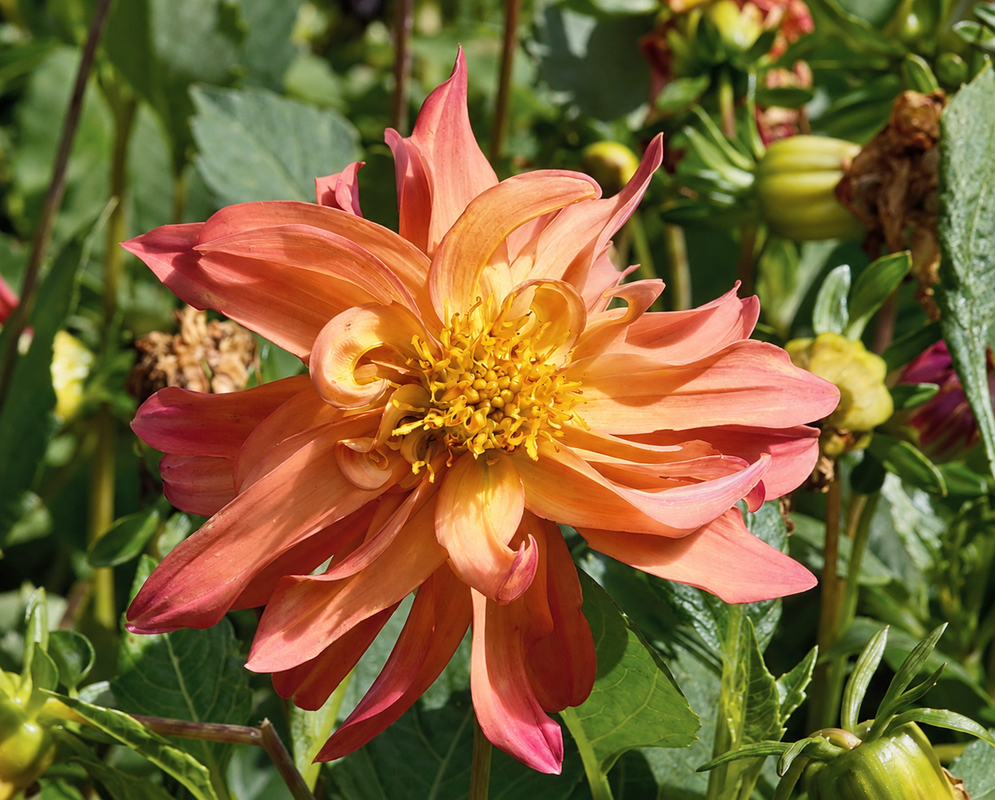
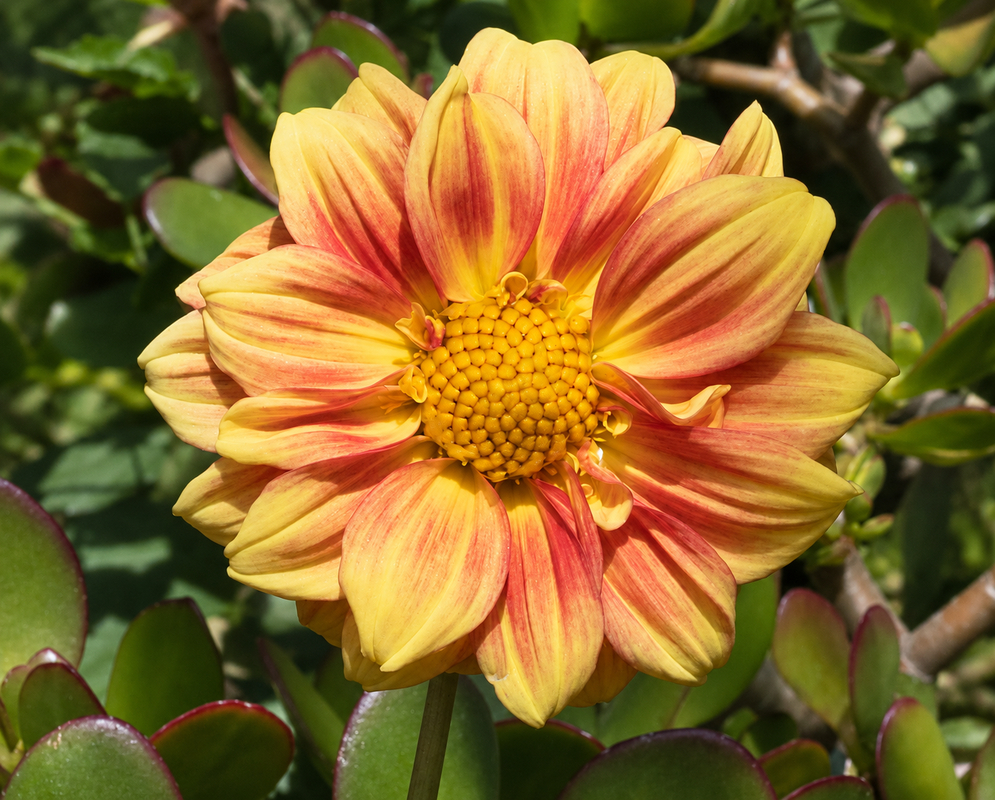
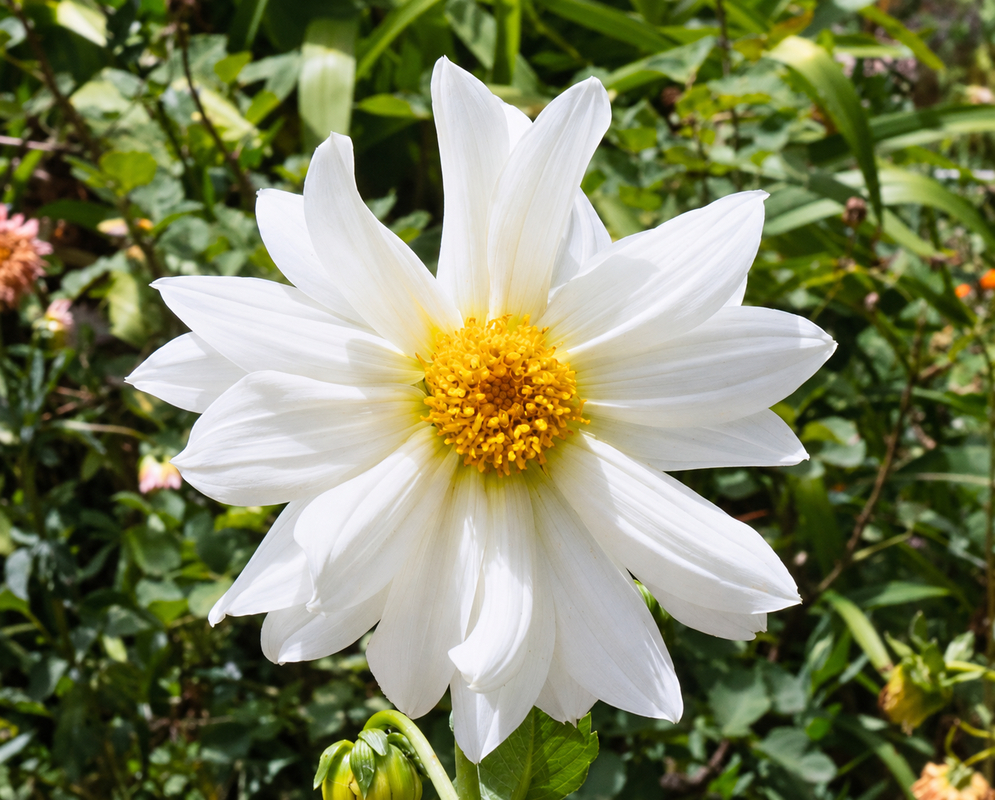
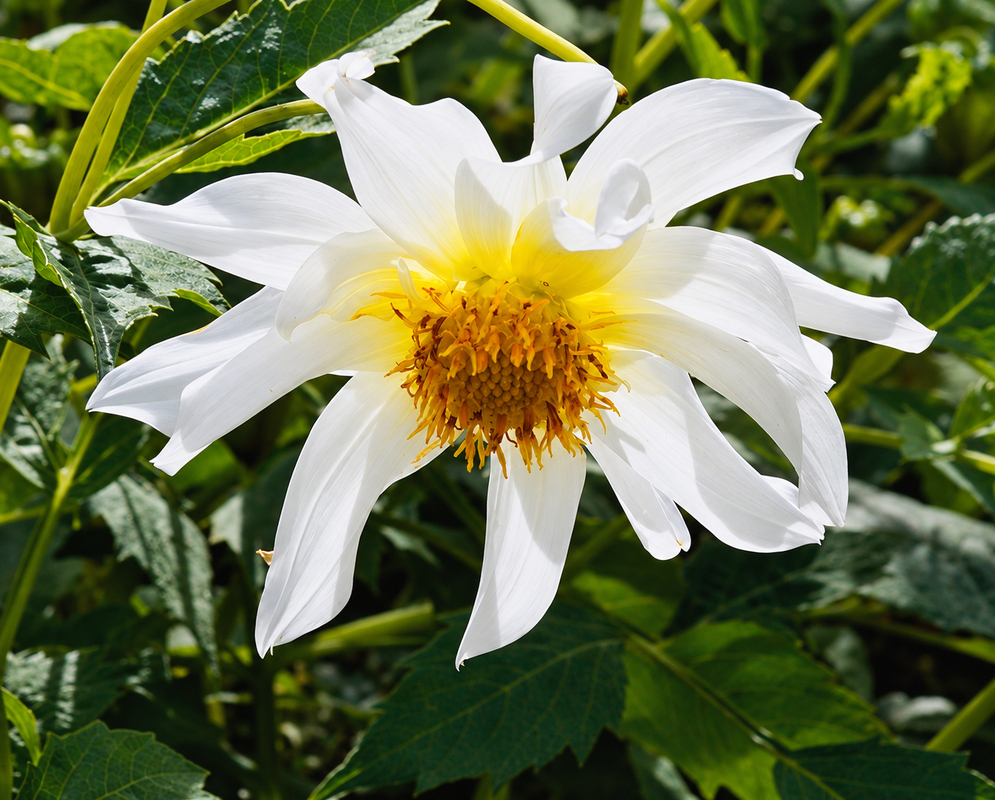
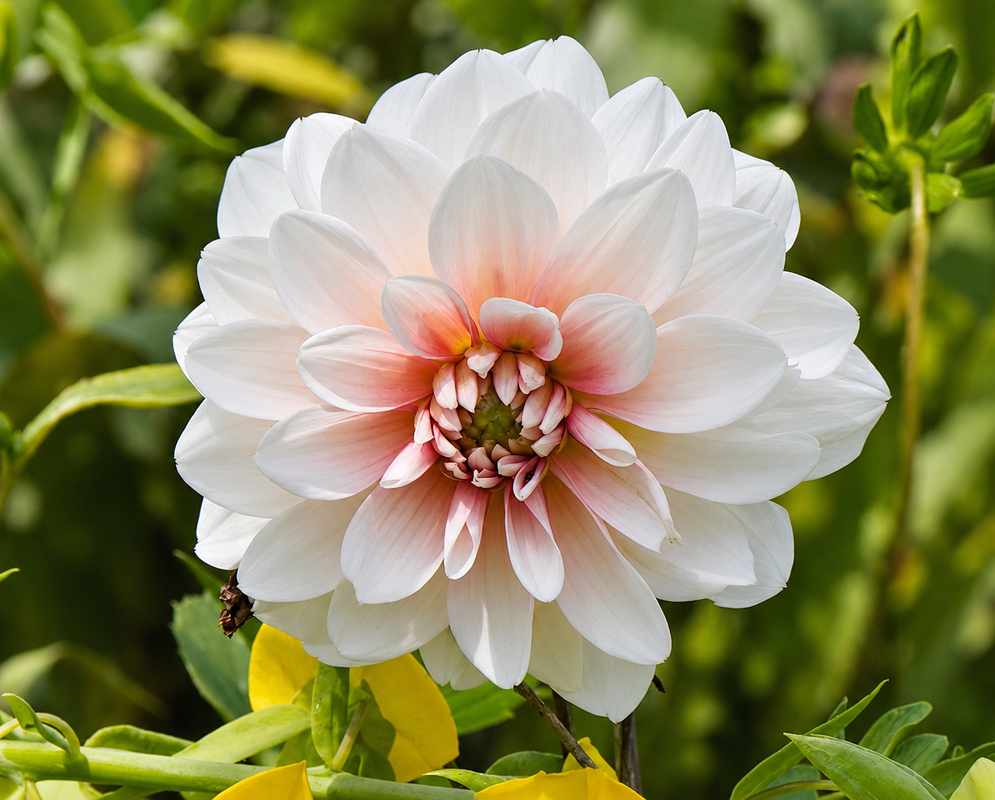
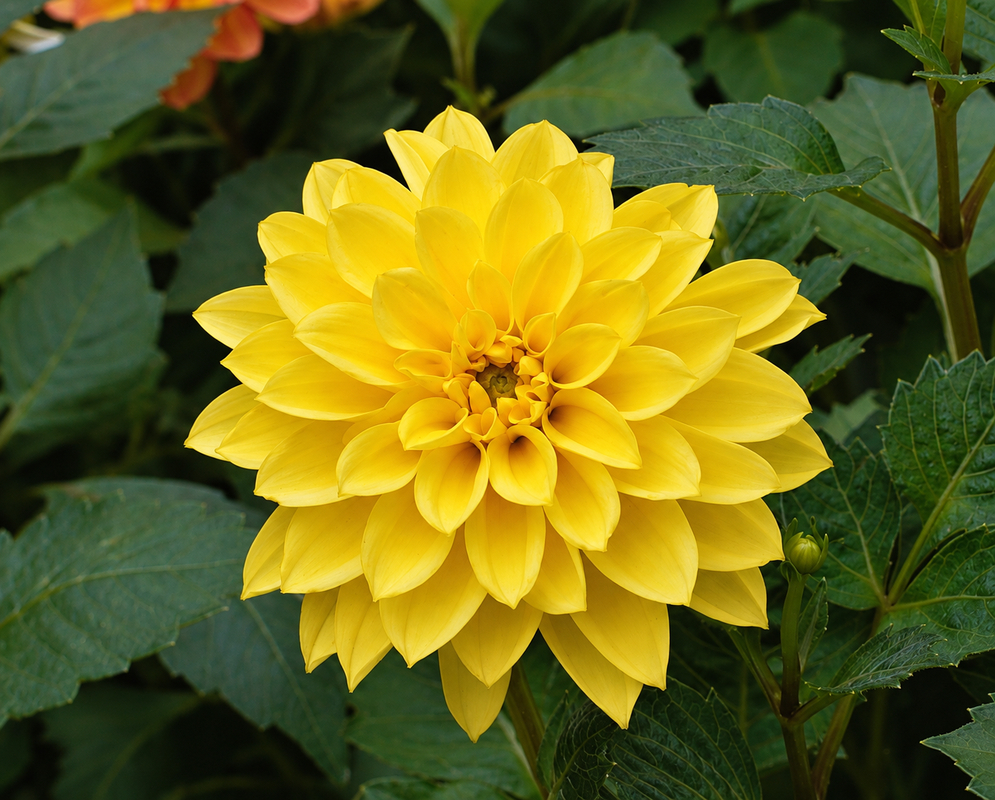
Originating in cultivation in Mexico, garden dahlia is a tuberous perennial herb bred into many flower forms. Single forms have a ring of ray florets around a central disk, while double forms have many overlapping ray florets. Decorative, cactus, ball and pompon forms differ in how these florets are arranged and rolled. Flowers may be white, yellow, orange, pink, red or purple, often combining more than one color. Garden dahlias are grown internationally for ornamental display and cut flowers. The dahlia, including its cultivated forms, was declared Mexico’s national flower in 1963.
The tubers contain inulin, a carbohydrate investigated as a prebiotic ingredient. In laboratory fermentation, inulin extracted from Dahlia pinnata supported growth of Lactobacillus casei and, together with that probiotic, reduced growth of some harmful bacteria. Separate cell-culture research found that a methanolic plant extract reduced TNF-alpha, an inflammatory signal, in human immune cells and bronchial epithelial cells grown in the laboratory. Photographed in the central Andes mountain range of Colombia.