

Bactris gasipaes (Peach Palm)
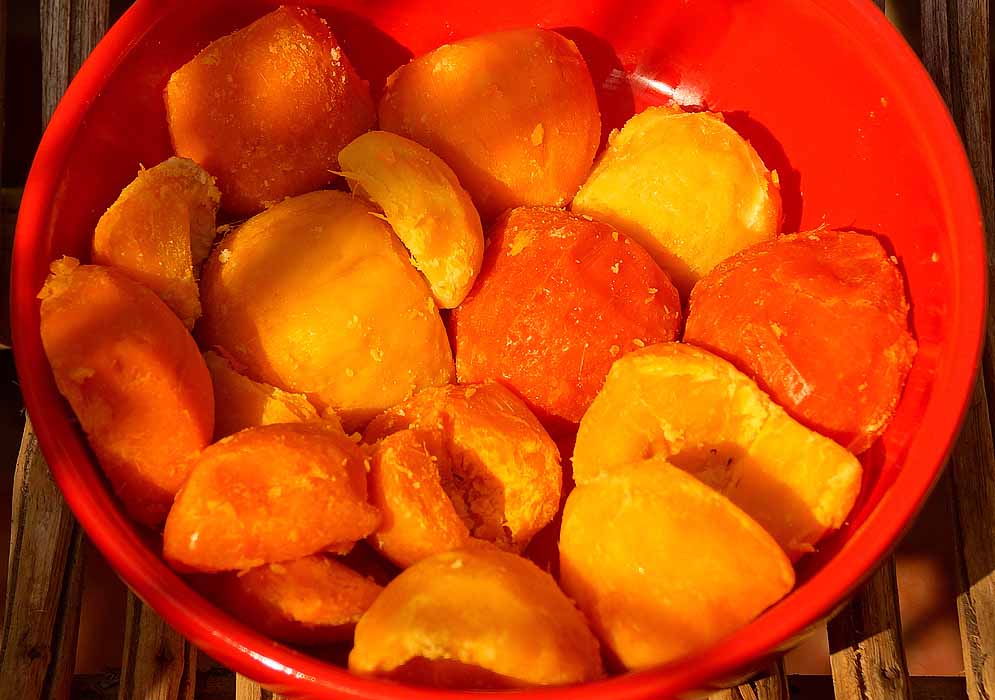
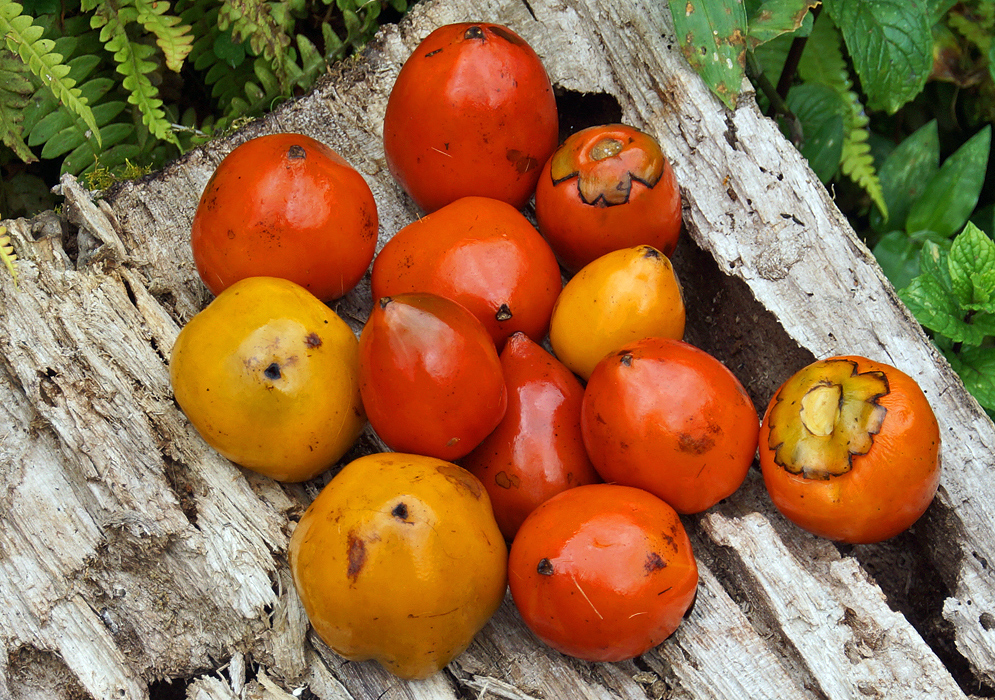
Native to Bolivia, northern Brazil, west-central Brazil, Colombia, Costa Rica, and Ecuador and nearby regions, this is a tree in the Arecaceae family. It grows in tropical forest. Peach Palm grows erect, often displaying several slender stems that are typically armed with stiff, black spines arranged in circular rows from the base to the summit. It primarily thrives in regions where it is often cultivated by smallholders in agroforestry systems. The Peach Palm’s fruits, known as palm chestnuts, are stewed and flavored with salt or honey, offer a somewhat dry and mealy flesh that can be easily separated from the seed post boiling. The fruits are also fermented into beverages. The seed oil is traditionally used as a topical remedy for alleviating rheumatic pains. The Peach Palm’s fruits have been highlighted for their physicochemical, nutritional, and bioactive characteristics. They offer both functional and antioxidant potential, proving to be a valuable source of nutrients. The stems are employed in the construction of furniture, panels, and handicraft items. It is relatively expensive in Colombia when purchased ready to eat in stores. Close to where it is cultivated it is often sold on city streets by vendors